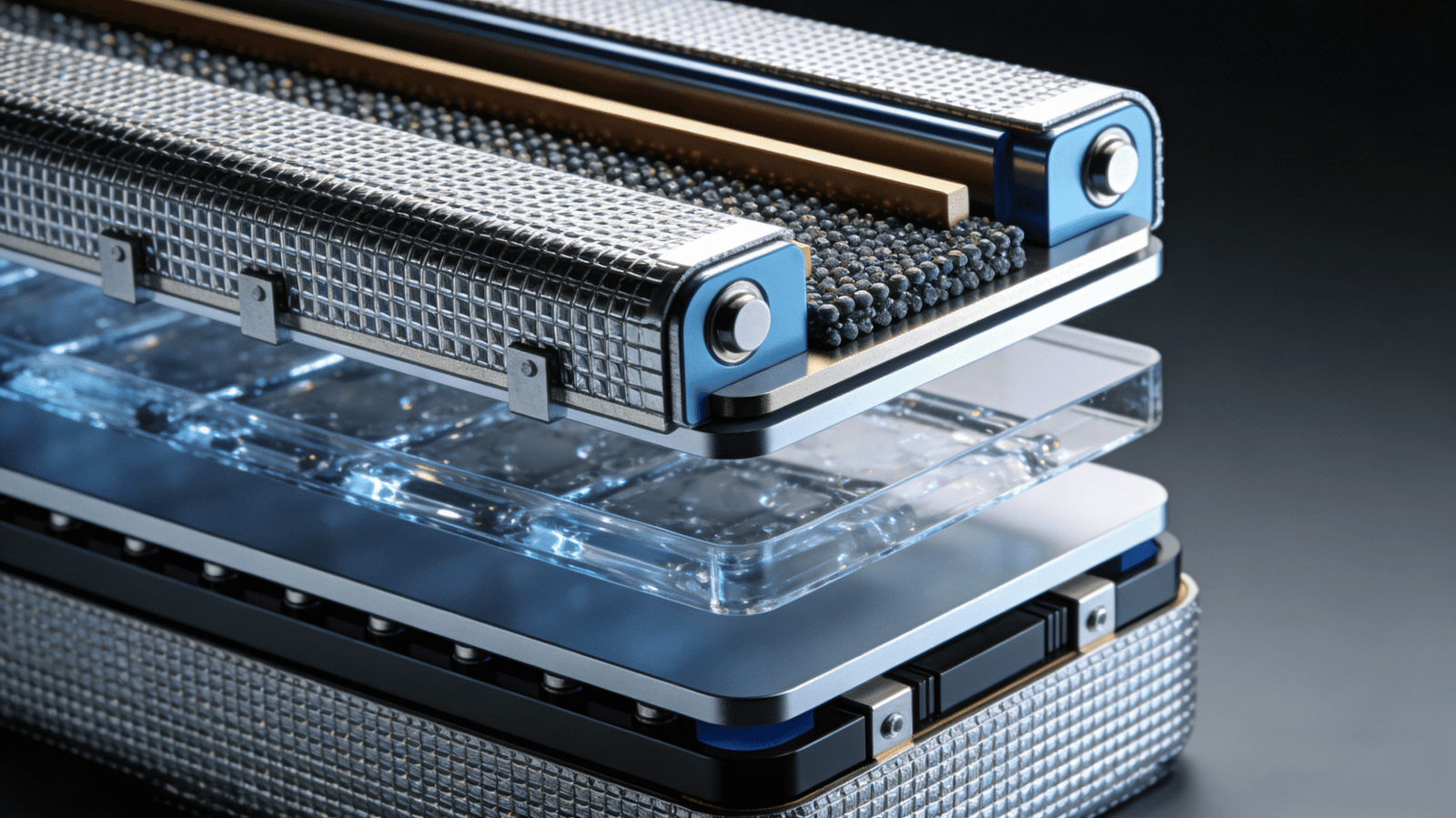
Energy storage is changing fast. Therefore, businesses and engineers around the world are looking for safer, cheaper, and more reliable battery options. Sodium ion batteries are quickly becoming one of the most exciting new choices in the energy storage world. In addition, they use sodium — one of the most common elements on Earth — instead of lithium. This makes them a very strong candidate for large-scale, long-term energy storage.
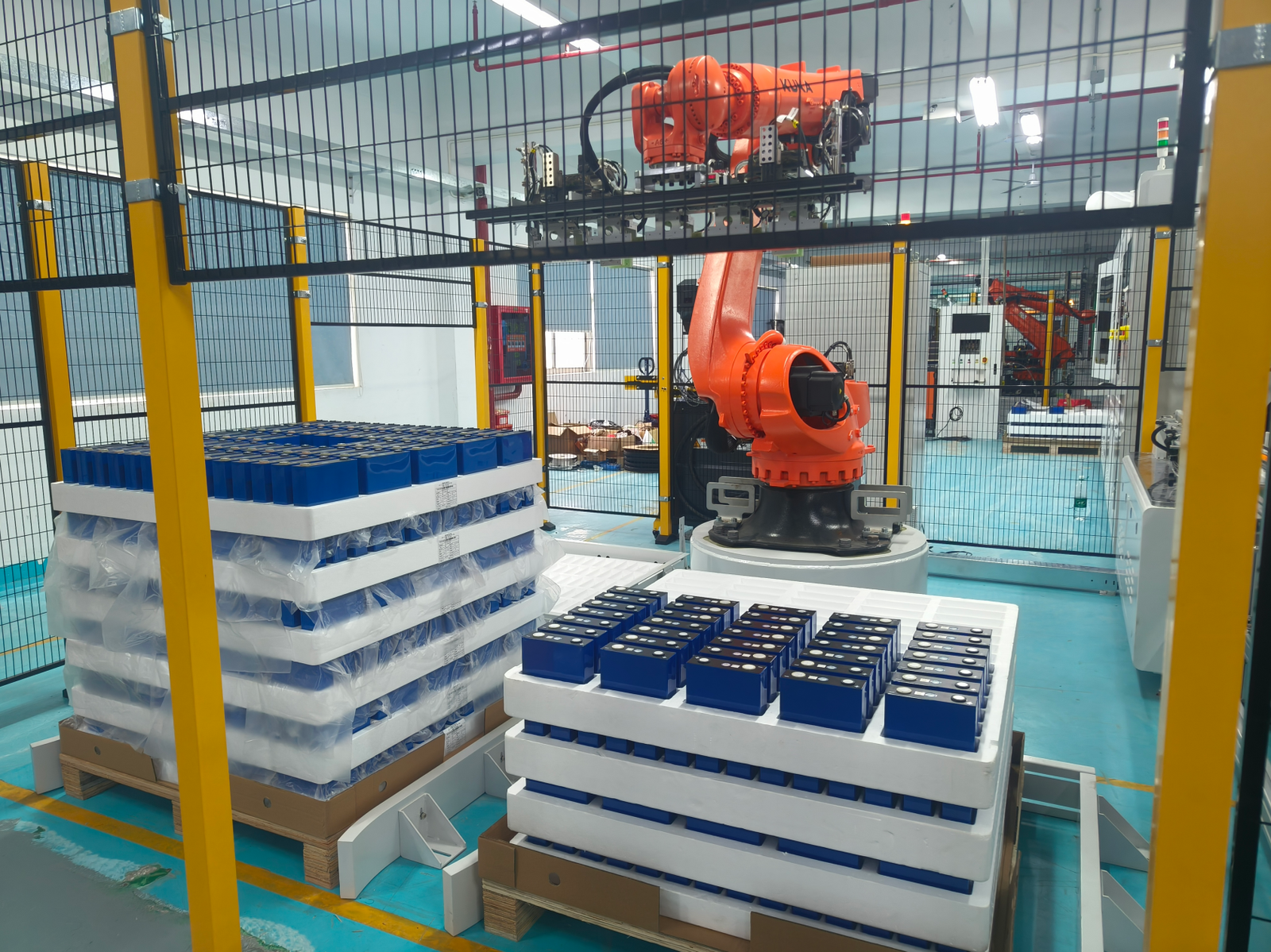
At LongKun Battery Group, we have been designing and manufacturing custom battery packs since 2009. Furthermore, our team of over 50 experienced engineers — some from BYD and CATL — is already watching sodium ion technology closely. We hold full global certifications including UN38.3, MSDS, IEC, CE, UKCA, RoHS, and UL, so our customers always get products that are safe and compliant worldwide.
In this article, you will learn exactly what sodium ion batteries are, how they compare to lithium ion batteries, and whether they are truly the future solution for energy storage.
⚡ Key Takeaway: Sodium Ion Battery at a Glance
Before we dive in, here is a quick summary of the most important facts about sodium ion batteries for energy storage:
| Metric | Value |
|---|---|
| Global energy storage sodium ion market size (2024) | USD 245.3 million |
| Forecast market size by 2034 | USD 2.32 billion |
| Market CAGR (2025–2034) | 25.3% |
| Broader sodium-ion market size (2025) | USD 1.8 billion |
| Broader market forecast by 2035 | USD 12.5 billion |
| CAGR (2025–2035, broader market) | 21.4% |
| 2025 average cost — sodium ion | US$59/kWh |
| 2025 average cost — LFP lithium ion | US$52/kWh |
| Cycle life (grid-focused systems) | 5,000+ cycles |
| Largest operational sodium ion storage project | 50 MW / 100 MWh |
| Sodium abundance in Earth’s crust | 2.6%–3.0% |
LongKun Advantage: As a factory-direct manufacturer with 5 fully automated production lines, LongKun Battery Group offers competitive pricing, fast lead times, and full certifications (UN38.3, MSDS, IEC, CE, UKCA, RoHS, UL) — giving you a reliable supply chain for your energy storage projects.
What Is a Sodium Ion Battery?
A sodium ion battery is a type of rechargeable battery. However, instead of using lithium ions to carry electric charge, it uses sodium ions. Sodium is the same element found in table salt. Therefore, it is extremely common and easy to find almost anywhere in the world.
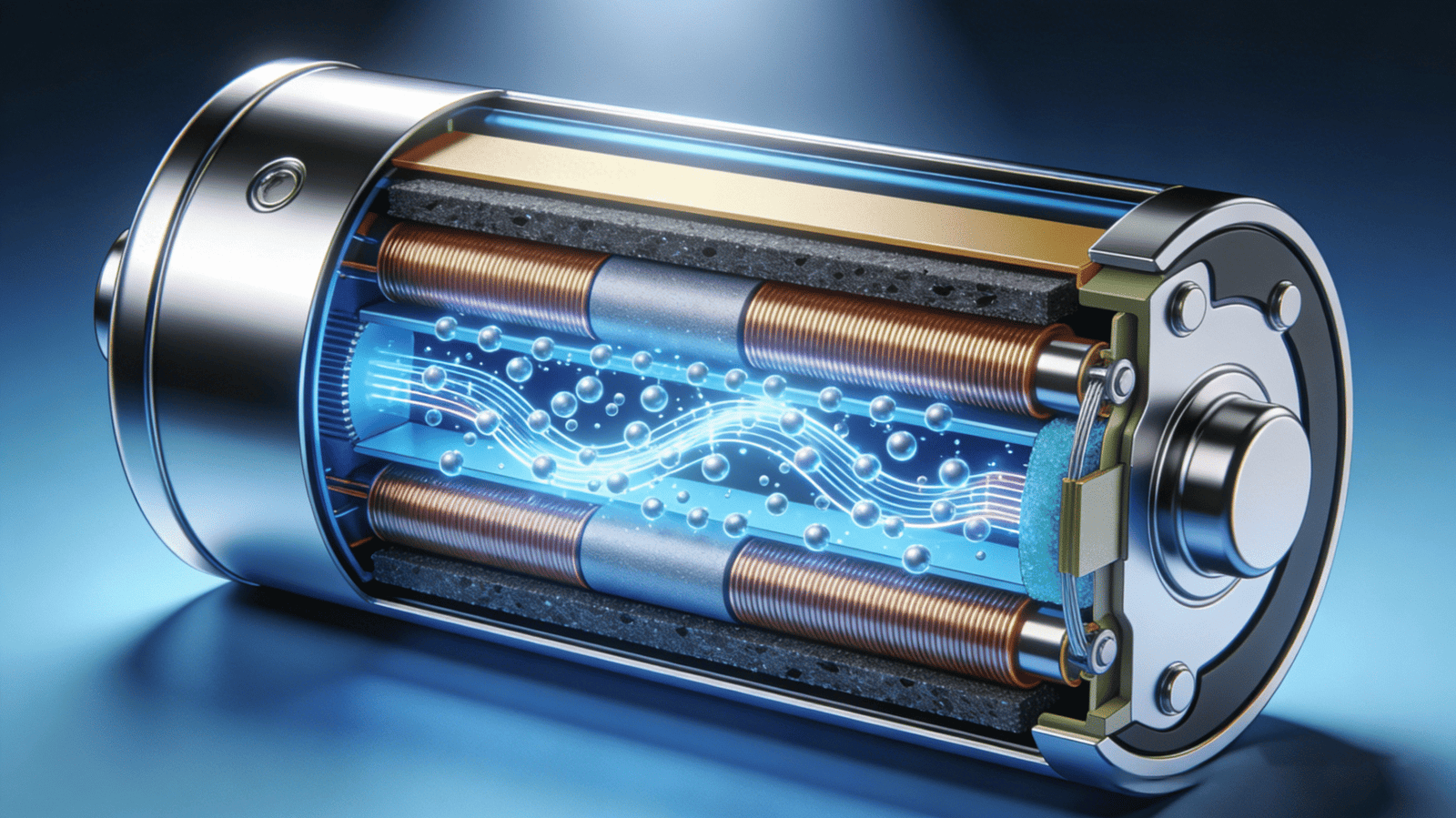
Just like lithium ion batteries, sodium ion batteries store and release energy by moving ions between two electrodes — a positive cathode and a negative anode. The key difference is the ion doing the work. In addition, because sodium is so widely available, these batteries have the potential to reduce supply chain risks significantly.
Simple definition:
A sodium ion battery is a rechargeable battery that uses sodium ions instead of lithium ions to store and release energy. It works in a very similar way to a lithium ion battery but uses much more abundant and affordable raw materials.
This technology is not brand new. However, it has only recently reached the point where it can compete with lithium ion batteries in real commercial applications — especially for stationary energy storage.
How Does a Sodium Ion Battery Work?
Understanding how a sodium ion battery works is easier than you might think. Therefore, let’s break it down step by step.
- Charging: When you plug the battery in, electrical energy pushes sodium ions from the cathode through the electrolyte to the anode. At the same time, electrons flow through the external circuit.
- Storing: The sodium ions are now stored inside the anode material. The battery is holding energy.
- Discharging: When the battery powers a device, sodium ions flow back from the anode to the cathode through the electrolyte. Meanwhile, electrons travel through the circuit and create usable electricity.
In short, the battery works by moving sodium ions back and forth between two electrodes. Furthermore, because sodium ions are larger than lithium ions, scientists have had to develop new electrode materials that can handle them well. This is one area where ongoing research is making fast progress.
For more technical information about battery chemistry and standards, you can visit the International Electrotechnical Commission (IEC), which sets global safety and performance standards for batteries.
Sodium Ion Battery vs Lithium Ion Battery
Many people want to know: which is better — sodium ion or lithium ion? However, the honest answer is that neither is universally better. Instead, each technology has its own strengths. Therefore, the best choice depends on your specific application.
Here is a clear side-by-side comparison:
| Factor | Sodium Ion Battery | Lithium Ion Battery |
|---|---|---|
| Raw material availability | Very high — sodium is abundant worldwide | Lower — lithium is concentrated in few countries |
| Supply chain risk | Lower | Higher |
| Current cost (2025) | US$59/kWh | US$52/kWh (LFP) |
| Cost trend | Falling fast | Mature — slower decline |
| Energy density | Lower | Higher |
| Safety profile | Excellent — lower thermal runaway risk | Good — varies by chemistry |
| Cycle life | 5,000+ cycles (grid systems) | Varies — typically 2,000–6,000 cycles |
| Best use case | Stationary and grid energy storage | Portable devices, EVs, high-density applications |
| Commercial maturity | Growing rapidly | Highly mature |
In summary, sodium ion batteries shine in stationary energy storage. However, lithium ion batteries are still the better choice for electric vehicles and portable electronics where weight and energy density matter most.
If you are currently using lithium-based storage and want to understand your options better, read our complete guide: Wall Mounted Lithium Battery: The Complete Guide for Home and Business Use.
Key Advantages of Sodium Ion Batteries for Energy Storage
So why is everyone talking about sodium ion batteries right now? There are several strong reasons. Furthermore, most of these advantages are especially relevant for large-scale energy storage systems.
1. Sodium Is Incredibly Abundant
Sodium makes up about 2.6% to 3.0% of Earth’s crust. Therefore, it is one of the most available elements on the planet. In addition, it is found in every ocean and in many types of rock. This means the raw material supply is far more stable and widespread than lithium.
2. Lower Supply Chain Risk
Lithium is mainly mined in a small number of countries. Therefore, political events or trade disruptions can affect supply. However, sodium is available almost everywhere. This gives sodium ion batteries a significant supply chain advantage for long-term energy projects.
3. Strong Safety Profile
Sodium ion batteries are generally considered less prone to overheating and thermal runaway compared to many lithium-based systems. Therefore, they are especially attractive for residential, commercial, and grid storage where safety is a top priority.
4. Fast-Falling Costs
Although sodium ion batteries currently cost slightly more than LFP batteries, their costs are falling much faster. Furthermore, as production scales up, they are expected to become highly cost-competitive. This makes them an excellent long-term investment for energy storage projects.
5. Long Cycle Life
Grid-focused sodium ion systems can often exceed 5,000 charge cycles. In addition, some research-stage aqueous sodium ion systems have demonstrated over 13,000 cycles in laboratory conditions. This long life is ideal for stationary energy storage.
6. Works Well at a Wide Range of Temperatures
Sodium ion batteries maintain good performance across a wide temperature range. Therefore, they are a strong option for outdoor and industrial energy storage applications in different climates.
Main Challenges and Limitations
Of course, sodium ion batteries are not perfect — at least not yet. Therefore, it is important to understand their current limitations before making a purchasing decision.
- Lower energy density: Sodium ions are larger and heavier than lithium ions. Therefore, sodium ion batteries store less energy per kilogram. This makes them less ideal for applications where weight and size matter, such as electric vehicles.
- Smaller commercial ecosystem: Lithium ion technology has decades of commercial history. However, sodium ion is still developing its supply chain, manufacturing infrastructure, and component ecosystem.
- Current cost gap vs. LFP: In 2025, sodium ion batteries cost about US$59/kWh versus US$52/kWh for LFP batteries. Therefore, they are not yet cheaper, though costs are expected to fall fast.
- Still-developing performance data: Real-world long-term performance data is still being collected. Furthermore, different manufacturers use different materials and designs, so performance can vary.
However, these challenges are being addressed quickly. In addition, for stationary energy storage specifically, the limitations around energy density are far less important than they are for mobile applications.
Where Are Sodium Ion Batteries Used Today?
Sodium ion batteries are no longer just a laboratory idea. Therefore, they are already being deployed in real commercial projects around the world. Here are the most common applications today:
- Grid energy storage: Balancing supply and demand on the electrical grid, especially alongside renewable energy sources like solar and wind.
- Renewable energy buffering: Storing excess solar or wind energy and releasing it when generation drops. This helps make renewables more reliable.
- Backup power systems: Providing reliable backup electricity for commercial buildings, data centers, and telecom base stations.
- Industrial energy storage: Supporting factories and industrial facilities with stable, on-demand power.
- Residential storage: Powering homes with stored solar energy, especially in regions where safety regulations are strict.
- UPS systems: Uninterruptible power supplies for critical equipment in medical, commercial, and industrial settings.
At LongKun Battery Group, we already supply custom battery packs for many of these applications — including energy storage systems, UPS systems, telecom base stations, and commercial installations. Our factory-direct supply model means you get competitive pricing and fast lead times, backed by our fully certified production process.
Sodium Ion Battery Market Size and Growth Outlook
The numbers tell a very clear story. Therefore, let’s look at what the data says about the sodium ion battery market.
| Item | Value |
|---|---|
| Energy storage sodium ion market size — 2024 | USD 245.3 million |
| Energy storage sodium ion market forecast — 2034 | USD 2.32 billion |
| CAGR 2025–2034 (energy storage segment) | 25.3% |
| Broader sodium ion market — 2025 | USD 1.8 billion |
| Broader sodium ion market forecast — 2035 | USD 12.5 billion |
| CAGR 2025–2035 (broader market) | 21.4% |
This growth is being driven by several key factors. First, governments around the world are investing heavily in renewable energy and grid infrastructure. Therefore, demand for affordable, safe stationary storage is growing rapidly. Furthermore, as sodium ion battery costs continue to fall, they are becoming an increasingly attractive option for large energy projects.
In addition, major battery manufacturers like CATL have already started commercializing sodium ion batteries. This is a very strong signal that the technology is ready to move from early deployment into mainstream use.
Real-World Sodium Ion Battery Projects
One of the most exciting signs of sodium ion battery progress is the deployment of real, large-scale projects. Therefore, here are some notable examples:
- 50 MW / 100 MWh grid storage project: This is currently one of the largest operational sodium ion energy storage installations in the world. It demonstrates that the technology can work at utility scale.
- CATL’s sodium ion battery commercialization: CATL — the world’s largest battery manufacturer — has already introduced sodium ion cells for commercial use. Furthermore, they have announced plans to integrate sodium ion cells into battery packs alongside lithium ion cells.
- HiNa Battery Technology projects in China: HiNa has deployed sodium ion batteries in several pilot grid storage projects. In addition, they have demonstrated real-world performance across multiple seasons and conditions.
- Faradion and Natron Energy in Europe and North America: These companies are actively working with utilities and industrial customers to deploy sodium ion systems for backup power and grid support.
These projects confirm that sodium ion batteries are not just a future promise. Instead, they are already delivering real results in real energy storage applications today.
Which Industries Benefit Most From Sodium Ion Storage?
Sodium ion batteries are especially well-suited for industries where cost, safety, and supply-chain stability matter more than maximum energy density. Therefore, here are the industries that stand to benefit the most:
Grid and Utility Energy Storage
This is the strongest use case. Furthermore, sodium ion batteries can support renewable integration, peak shaving, frequency regulation, and long-duration backup at a large scale.
Telecom and Base Station Operators
Telecom companies need reliable, long-lasting battery backup for thousands of base stations. Therefore, sodium ion’s safety profile and long cycle life make it an excellent option. LongKun has already delivered high-performance battery packs for major telecom base station clients.
Commercial and Industrial Backup Power
Data centers, manufacturing plants, and large commercial buildings all need reliable backup power. In addition, sodium ion’s lower thermal runaway risk makes it safer for installation in occupied buildings.
Solar Energy Storage Systems
Residential and commercial solar storage is a perfect fit. Furthermore, because weight and compactness are not critical in home and building installations, sodium ion’s lower energy density is not a problem.
UPS Systems
Uninterruptible power supplies for hospitals, banks, and critical infrastructure benefit from sodium ion’s strong safety and long cycle life.
Marine and Offshore Applications
Sodium ion batteries are resistant to a wide range of temperatures and environmental conditions. Therefore, they are increasingly being considered for marine energy storage systems.
LongKun Battery Group serves all of these industries. Moreover, our engineers can customize battery packs to meet the exact requirements of your application. To learn how to select the right energy storage battery manufacturer for your project, read our expert guide: How to Choose a Reliable Energy Storage Battery Manufacturer.
Sodium Ion Battery Trends to Watch in 2026 and Beyond
The sodium ion battery space is moving fast. Therefore, here are the most important trends to watch in 2026 and the years ahead:
1. Cost Parity With LFP Is Getting Closer
In 2025, sodium ion batteries cost about US$59/kWh — slightly above LFP at US$52/kWh. However, as production volumes grow and manufacturing processes improve, sodium ion costs are expected to fall rapidly. Furthermore, some analysts believe cost parity with LFP is achievable within the next few years.
2. Supply Chain Diversification Is a Global Priority
Governments and businesses around the world are actively trying to reduce their dependence on lithium. Therefore, sodium ion batteries are receiving growing support from policymakers and investors. In addition, this is accelerating new factory investments and research programs globally.
3. Solid-State Sodium Ion Research Is Advancing
Solid-state batteries are considered the next major leap in battery technology. Therefore, combining solid-state design with sodium ion chemistry could unlock even better safety and performance. LongKun Battery Group is actively tracking and investing in solid-state battery development as part of our commitment to clean energy leadership.
4. Hybrid Sodium-Lithium Battery Packs Are Emerging
Some manufacturers, including CATL, are experimenting with battery packs that combine sodium ion and lithium ion cells. This approach can balance cost, safety, and energy density in a single product. Furthermore, it helps manufacturers transition smoothly to sodium ion technology.
5. Regulatory and Standards Development
As sodium ion batteries become more common, international bodies like the IEC and UL are developing clearer testing and certification standards. Therefore, manufacturers with strong compliance experience — like LongKun — are well-positioned to serve this growing market.
Will Sodium Ion Batteries Replace Lithium Ion Batteries?
This is one of the most common questions people ask. Therefore, let’s give you a clear and honest answer.
Short answer: No — but they will become a very important partner technology.
Sodium ion batteries are unlikely to fully replace lithium ion batteries across all markets. However, they are expected to take a large share of the stationary energy storage market. In addition, they will play a growing role in applications where supply-chain security and safety are more important than maximum energy density.
Here is how experts see the two technologies coexisting:
- Sodium ion: Grid storage, renewable buffering, commercial backup power, UPS, telecom base stations, marine applications
- Lithium ion: Electric vehicles, consumer electronics, aerospace, high-density portable applications
Therefore, rather than competing, these two technologies are likely to work side by side — each doing what it does best. In addition, companies that can supply both technologies — like LongKun — will be in a very strong position to serve the full range of customer needs.
For more information on lithium-based storage options available today, visit our complete guide: Wall Mounted Lithium Battery: The Complete Guide for Home and Business Use.
How LongKun Battery Group Supports Your Energy Storage Needs
LongKun Battery Group has been building custom battery solutions since 2009. Therefore, we understand exactly what businesses need when it comes to reliable, high-performance energy storage. Here is why hundreds of global clients choose us:
✅ Full Global Certifications
Our batteries meet the strictest international standards. Furthermore, our full certification portfolio — including UN38.3, MSDS, IEC, CE, UKCA, RoHS, and UL — means our products are accepted in Europe, the USA, Australia, Japan, and other major markets without compliance headaches.
✅ Competitive Factory-Direct Pricing
Because we manufacture everything in-house, we can offer factory-direct pricing. Therefore, you avoid the extra costs that come with middlemen and distributors. In addition, our 5 fully automated production lines keep our costs — and your costs — as low as possible.
✅ Fast Lead Times
Our Industry 4.0 production lines and strong supply chain allow us to deliver custom battery packs quickly. Therefore, you can keep your projects on schedule without waiting months for components.
✅ Expert Engineering Team
Our team includes over 50 experienced engineers, some of whom previously worked at BYD and CATL. In addition, they specialize in advanced battery solutions including high voltage, high/low temperature, and explosion-proof battery customization. Furthermore, our engineering team provides full technical support from your first inquiry all the way through after-sales service.
✅ Proven Track Record
We have served more than 1,500 satisfied clients across industries including telecom, aerospace, medical equipment, commercial installations, and energy storage. Furthermore, we produce over 50 million units annually from our Shenzhen factory.
Whether you are planning a grid storage project, a commercial backup system, or an industrial energy solution, LongKun has the expertise, certifications, and manufacturing capacity to deliver exactly what you need — on time and within budget.
Need help choosing the right battery manufacturer? Read our expert guide: How to Choose a Reliable Energy Storage Battery Manufacturer.
Frequently Asked Questions About Sodium Ion Batteries
What is a sodium ion battery used for?
Sodium ion batteries are mainly used for stationary energy storage — including grid balancing, renewable energy buffering, backup power, and industrial storage. They work best in applications where cost, safety, and supply-chain stability matter more than maximum energy density.
Is sodium ion battery better than lithium ion battery?
Not in every situation. Sodium ion batteries are more attractive for stationary storage because sodium is abundant and the chemistry improves supply security. However, lithium ion still leads in energy density and is more commercially established — especially for electric vehicles and portable electronics.
Are sodium ion batteries cheaper than lithium ion batteries?
Not yet, in 2025. The average cost of sodium ion batteries is about US$59/kWh, compared to US$52/kWh for LFP lithium ion batteries. However, sodium ion costs are falling faster and are expected to become more competitive over the next few years.
What are the disadvantages of sodium ion batteries?
The main disadvantages are lower energy density, a smaller commercial ecosystem, and a current cost that is slightly higher than LFP batteries. Therefore, they are not the best choice for every application — especially where weight and compactness are critical.
How long do sodium ion batteries last?
Grid-focused sodium ion systems can typically exceed 5,000 charge cycles. Furthermore, some research-stage aqueous sodium ion systems have demonstrated over 13,000 cycles in laboratory conditions. Real-world lifetime depends on the design, application, and operating conditions.
Are sodium ion batteries safe?
Yes — they are generally considered safer than many lithium-based systems because they are less prone to overheating and thermal runaway. Therefore, they are gaining popularity for residential and grid storage where safety is a top concern.
Can sodium ion batteries be used for grid energy storage?
Absolutely. Grid storage is one of the strongest use cases for sodium ion batteries. They can support renewable integration, peak shaving, backup power, and long-duration stationary storage very effectively.
Will sodium ion batteries replace lithium ion batteries?
No — not across all markets. Instead, the two technologies are likely to coexist. Sodium ion will take a growing share of stationary storage, while lithium ion remains dominant in EVs, portable electronics, and high-density mobile applications.
What is the future of sodium ion batteries?
The future looks very strong — especially in energy storage systems where cost stability, safety, and supply diversity matter. Market forecasts show rapid growth through 2034 and 2035, and ongoing research is improving performance and driving costs down.
Which companies are making sodium ion batteries?
Key players include CATL, HiNa Battery Technology, Faradion, Natron Energy, Northvolt, Tiamat, Altris, and China BAK Battery. These companies are active across different parts of the sodium ion ecosystem, from research and development to large-scale commercial deployment.
Conclusion: Sodium Ion Battery Is a Real Future Solution — And the Future Is Now
Sodium ion batteries are not just a promising idea anymore. Therefore, they are already powering real projects at real scale around the world. Furthermore, with a market growing at over 25% per year, fast-falling costs, a strong safety profile, and abundant raw materials, sodium ion technology is clearly emerging as a genuine future solution for energy storage.
However, choosing the right battery technology — and the right manufacturing partner — is just as important as the technology itself. Therefore, you need a partner that combines deep engineering expertise, full global certifications, factory-direct pricing, and reliable after-sales support.
At LongKun Battery Group, we bring all of that together. Our certifications — UN38.3, MSDS, IEC, CE, UKCA, RoHS, and UL — mean your batteries meet every international standard. Our 5 automated production lines mean your order ships fast. Our team of 50+ engineers means your project gets the technical support it deserves. And our factory-direct model means you get the best possible price.
Ready to explore the best battery solution for your energy storage project? LongKun Battery Group is here to help — from your first question to long-term after-sales support.
Fast quotation · Strong technical support · Reliable long-term cooperation
Sources & References:
GM Insights — Energy Storage Sodium Ion Battery Market | Fact.MR — Sodium Ion Battery Market Report | Wood Mackenzie — Sodium Ion Batteries Enter Energy Storage Market | International Electrotechnical Commission (IEC) | UL Battery Safety Resources