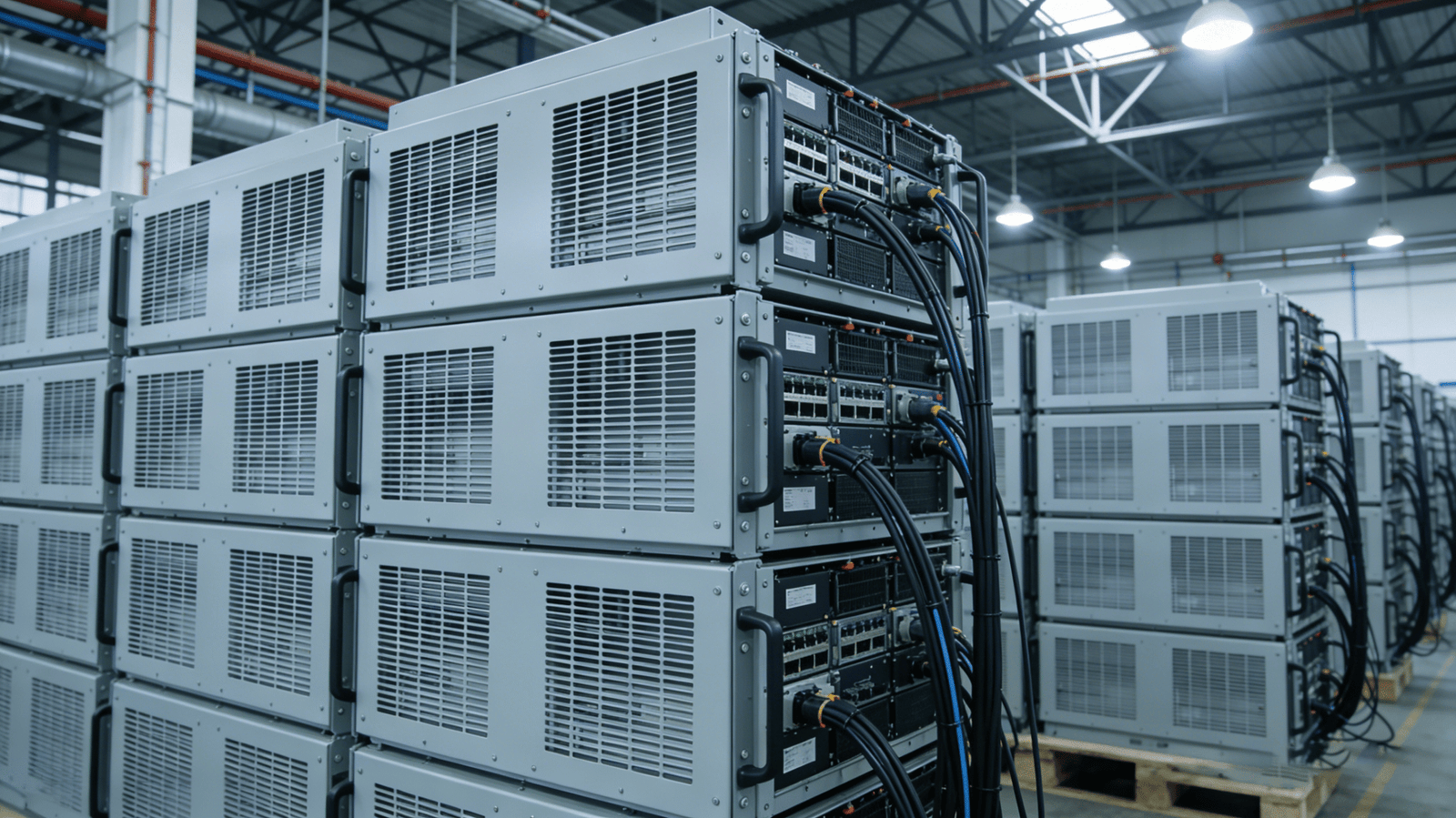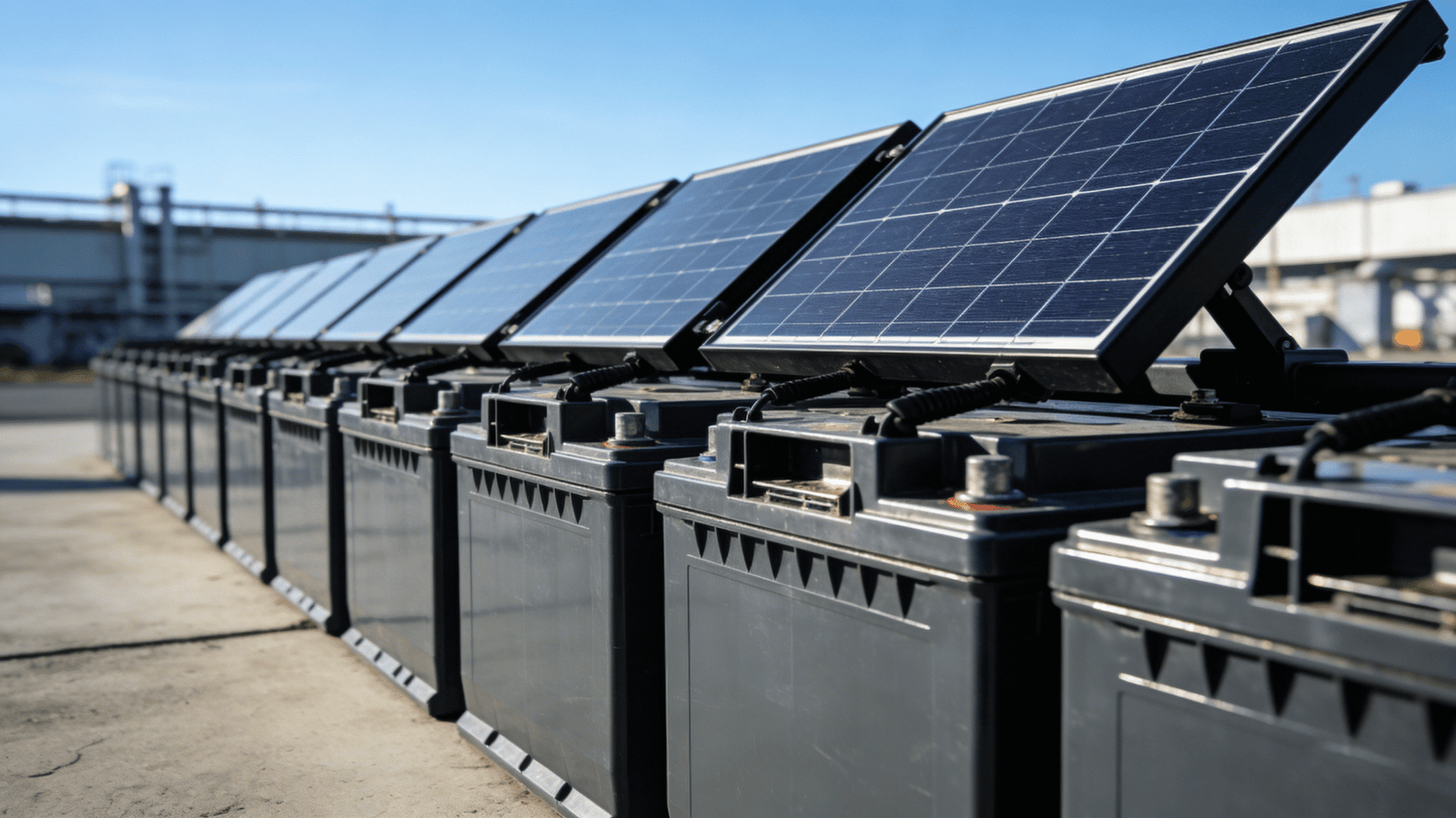
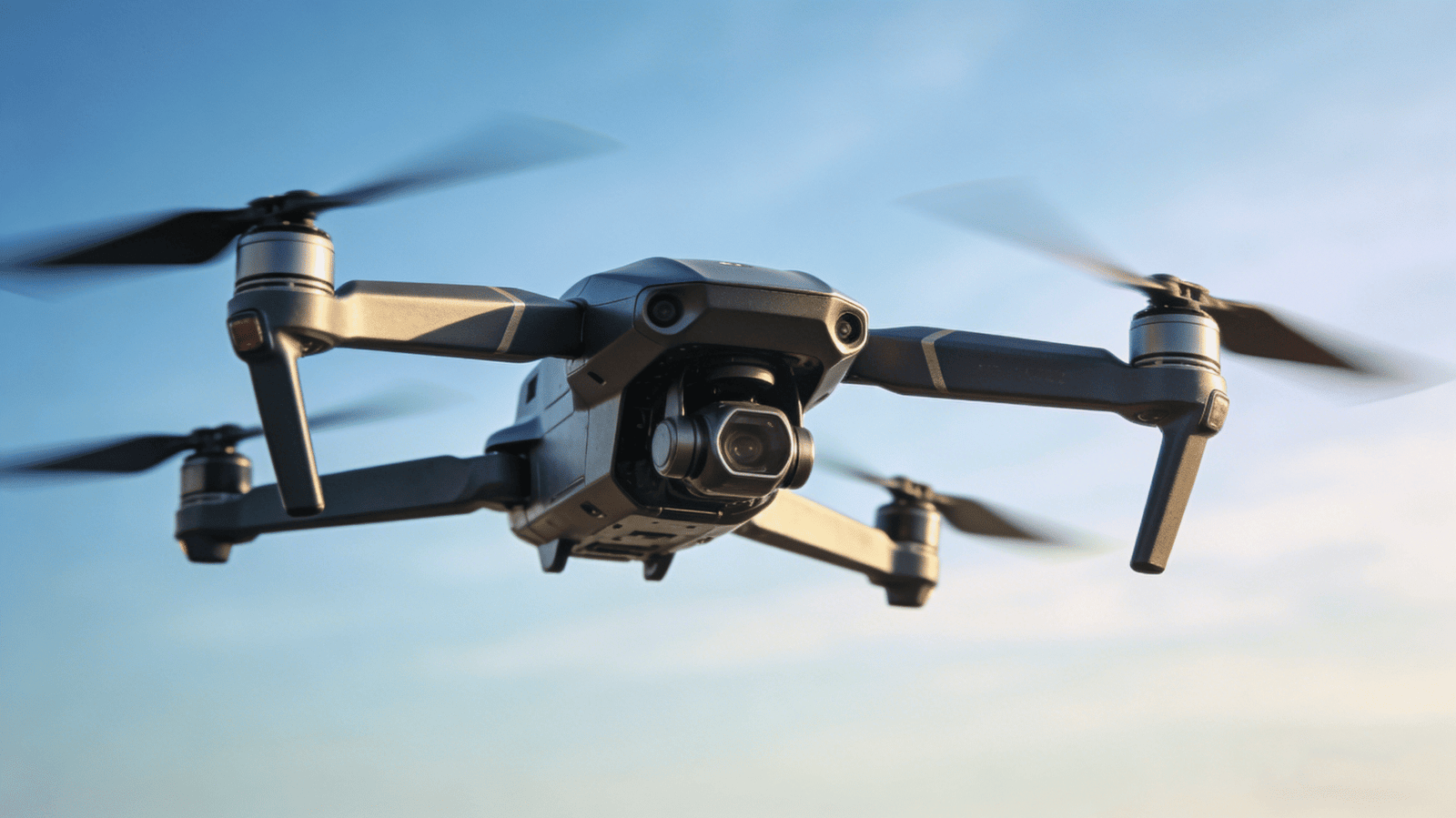
A long endurance drone battery is a high-capacity power pack designed to keep a drone flying for an extended period — typically 60 to 90+ minutes for professional UAVs, compared to the standard 20–40 minutes for consumer drones. These batteries use advanced chemistries like Li-ion or LiFePO4 to deliver high energy density, long cycle life, and reliable performance on demanding commercial missions.
📋 Table of Contents
- At a Glance: Key Stats You Need to Know
- What Is a Long Endurance Drone Battery?
- Drone Flight Time Comparison by Segment
- Drone Battery Market Size & Growth
- Best Battery Types for Long Endurance Drones
- How Battery Specs Affect Flight Time
- Industrial Use Cases That Demand Long Endurance Batteries
- Cycle Life & Real-World Endurance Numbers
- How LongKun Battery Supports Long-Endurance Missions
- Practical Tips to Extend Drone Battery Life
- Emerging Trends in Drone Battery Technology
- Frequently Asked Questions About Long Endurance Drone Batteries
- Conclusion: Choose the Right Long Endurance Drone Battery for Your Mission
At a Glance: Key Stats You Need to Know
Before we dive in, here is a quick snapshot of the most important numbers. This table gives you the top facts about drone flight times and market size — all in one place.
| Metric | Value |
|---|---|
| Consumer drone flight time | 20–40 minutes per battery |
| Professional / industrial drone flight time | 60–90+ minutes per battery |
| LiFePO4 cycle life | 2,000+ cycles at ~80% capacity retained |
| Global drone battery market (2025 est.) | ~$8.98 billion USD |
| Global drone battery market (2035 projected) | $18.2 – $45.64 billion USD |
Now, let us break everything down section by section. Furthermore, by the end of this guide, you will know exactly what to look for when choosing the right long endurance drone battery for your needs.
1. What Is a Long Endurance Drone Battery?
Simply put, a long endurance drone battery is a battery built to keep a drone in the air for as long as possible. However, what counts as “long endurance” depends on the type of drone you are flying.
- Consumer / hobby drones: These usually fly around 20 to 40 minutes on a single charge. A flight time toward the top of this range is already considered good endurance for this category.
- Professional VTOL, fixed-wing, and hybrid drones: These more advanced systems can stay airborne for 90 minutes to several hours per mission, especially when conditions are optimized.
“Most hobby drones fly about 20–40 minutes per battery, while long-endurance professional systems can operate from 90 minutes up to several hours per mission.”
In other words, the term “long endurance” is relative. Therefore, it is important to always compare flight times within the same drone category. For commercial operations — like mapping, inspection, or agriculture — a long endurance battery is not just a nice-to-have. Instead, it is a core requirement for getting the job done efficiently.
2. Drone Flight Time Comparison by Segment
Not all drones are created equal. As a result, flight times vary significantly depending on the type of drone and the battery it uses. Here is a clear breakdown to help you benchmark what “long endurance” really means for your segment.
| Drone Segment | Example | Typical Flight Time |
|---|---|---|
| Hobby quadcopter | Generic 3.7V 2200 mAh pack | ~20 minutes |
| Consumer prosumer | DJI Mavic 3 series | ~46 minutes |
| Mapping VTOL | WingtraOne variants | ~52–59 minutes |
| Industrial / hybrid UAV | Pro VTOL / hybrid platforms | 90+ minutes (up to several hours) |
As you can see, the jump from consumer to industrial is massive. Consequently, businesses that rely on drones for work need to think carefully about battery selection from the very beginning of their procurement process.
Pro tip: When comparing drones, always look at real-world flight times rather than the maximum advertised figure. Real-world times are often 10–20% lower due to wind, payload, and flight style.
3. Drone Battery Market Size & Growth
The drone battery industry is growing fast. Moreover, the numbers tell a very compelling story about where this market is heading.
| Year | Market Size Estimate (USD) | Notes |
|---|---|---|
| 2024 | ~$5.8 billion | Strong UAV adoption across industries |
| 2025 | ~$8.98 billion | ~17.65% CAGR projected |
| 2035 | $18.2 – $45.64 billion range | Driven by agriculture, logistics, defense, and cinematography |
What is driving this growth? Several key factors are pushing the market forward:
- Agriculture: Drone spraying and crop monitoring are expanding globally.
- Logistics and delivery: Major companies are investing heavily in drone delivery networks.
- Defense: Military UAV programs require reliable, long-duration battery systems.
- Cinematography and inspection: Both industries demand longer flight times for better coverage.
Furthermore, with projected growth from under $6 billion to potentially over $45 billion in just one decade, the demand for better long endurance drone batteries will only keep accelerating.
🔗 External resource: Precedence Research – Drone Battery Market Report — for the latest market data and forecasts.
4. Best Battery Types for Long Endurance Drones
Choosing the right battery chemistry is one of the most important decisions you will make. Additionally, each chemistry has its own strengths and trade-offs. Here is what you need to know.
| Chemistry | Best For | Key Strength for Long Endurance |
|---|---|---|
| Li-ion (Lithium-Ion) | Professional UAVs, industrial drones | High energy density — long flight per kilogram |
| LiPo (Lithium Polymer) | Racing drones, performance UAVs | High discharge current — great for power bursts |
| LiFePO4 (Lithium Iron Phosphate) | Commercial fleets, heavy-use operations | 2,000+ cycle life — lowest long-term cost per flight |
Which chemistry should you choose?
- Choose Li-ion when maximum flight time per charge is your top priority.
- Choose LiPo when you need short bursts of high power, like in racing or acrobatic drones.
- Choose LiFePO4 when you fly hundreds of missions per year and need the battery to last for years without replacement.
“LiFePO4 batteries can exceed 2,000 charge–discharge cycles while still retaining about 80% of their original capacity — making them highly attractive for high-utilization commercial drone fleets.”
In short, there is no single “best” battery for every drone. Instead, the right choice depends entirely on your mission profile, budget, and how often you fly.
🔗 External resource: AYA UAV Power – UAV Drone Battery Chemistry Guide — a deeper look at UAV battery chemistries.
5. How Battery Specs Affect Flight Time
Reading a battery spec sheet can feel confusing at first. However, once you understand a few key numbers, it becomes much easier to predict how long your drone will stay in the air.
The Three Most Important Specs
- Voltage (V): Higher voltage generally means more power available to the motors.
- Capacity (mAh or Ah): This tells you how much energy the battery can store. More capacity = longer flight time (all else being equal).
- Energy (Wh = Voltage × Amp-hours): This is the most useful single number. It combines voltage and capacity into one figure you can compare across different batteries.
A Simple Plain-English Example
Imagine your industrial drone uses about 500 watts of power on average during flight. Now imagine your battery stores 500 Wh of energy. In theory, that gives you roughly 60 minutes of flight time (500 Wh ÷ 500 W = 1 hour).
In practice, however, real-world flight time is always a bit less. This is because several factors reduce efficiency:
- 🌬️ Wind resistance makes the motors work harder
- 📦 Payload weight increases power draw significantly
- 🌡️ Temperature affects battery performance, especially in cold weather
- 🔋 Battery age reduces usable capacity over time
- 🚀 Flight style — aggressive maneuvers drain the battery much faster
Therefore, when shopping for a long endurance drone battery, always look at the watt-hour (Wh) rating first. Additionally, check the drone manufacturer’s recommended battery specs to make sure the two are compatible.
6. Industrial Use Cases That Demand Long Endurance Batteries
Long endurance drone batteries are not just about flying longer for fun. Rather, they are a critical business tool across many serious industries. Here are the top use cases where long flight times directly save time and money.
🌾 Agricultural Spraying & Crop Monitoring
Agricultural drones need to cover large fields in a single flight. Furthermore, mid-mission battery swaps cost valuable time during narrow planting or treatment windows. A long endurance drone battery means more acres covered per flight and fewer interruptions.
🔌 Power Line & Infrastructure Inspection
Inspection drones often fly along long stretches of power lines, pipelines, or rail tracks. Therefore, batteries that last 60–90 minutes allow crews to inspect far more distance without landing to swap packs.
🗺️ Geospatial Mapping & Surveying
Mapping VTOL systems can cover approximately 310 to 400 hectares in a single 50–60 minute flight at survey-grade resolution. This dramatically cuts job time compared to shorter-endurance multirotors. Consequently, surveyors can complete more projects per day.
🚨 Emergency Response & Search and Rescue
In emergency situations, every minute counts. Long-endurance batteries allow first responders to keep drones airborne longer over disaster zones, search areas, or fire lines — without needing to land for a battery swap at a critical moment.
🏗️ Construction Site Monitoring
Construction managers use drones to monitor large project sites from above. Moreover, longer flight times mean more complete site coverage in fewer missions.
“Fewer battery swaps mean lower operational cost, higher efficiency, and more reliable data collection — especially for time-sensitive industrial missions.”
It is also worth noting that the same demand for reliable, long-duration power exists in other critical infrastructure. For example, industrial UPS battery systems share many of the same requirements as drone batteries — high cycle life, stable discharge, and reliable performance under demanding conditions. LongKun Battery Group serves both markets with the same commitment to quality.
7. Cycle Life & Real-World Endurance Numbers
Understanding both flight endurance and cycle life is essential. After all, a battery that flies for 90 minutes but only lasts 200 cycles is far more expensive to own over time than one that flies 75 minutes but lasts 2,000 cycles.
| Battery Type | Typical Flight Endurance | Approximate Cycle Life |
|---|---|---|
| Hobby LiPo | 15–25 minutes | 200–300 cycles |
| Professional Li-ion | 60–90+ minutes | 300–800 cycles (typical) |
| LiFePO4 pack | 60–90+ minutes (weight dependent) | 2,000+ cycles at ~80% capacity retained |
What Does This Mean in Practice?
Let us say you fly 5 missions per day, 250 days a year. That is 1,250 cycles per year. A hobby LiPo would need replacement in just a few months. However, a LiFePO4 pack would still be going strong after well over a year — saving significant replacement costs.
Therefore, for commercial drone operators who fly frequently, the higher upfront cost of a LiFePO4 or premium Li-ion battery pays for itself quickly through lower total ownership cost.
🔗 External resource: ANPS Global – Top 5 Long Endurance Drone Batteries for Industrial Applications — a helpful comparison of leading industrial drone battery options.
8. How LongKun Battery Supports Long-Endurance Missions
At LongKun Battery Group (clkbattery.com), we have been designing and manufacturing custom battery packs since 2009. Furthermore, our team of 50+ engineers — some formerly from BYD and CATL — brings deep expertise to every UAV battery project we take on.
A Real Example: The CLKA-0061 LiFePO4 Pack
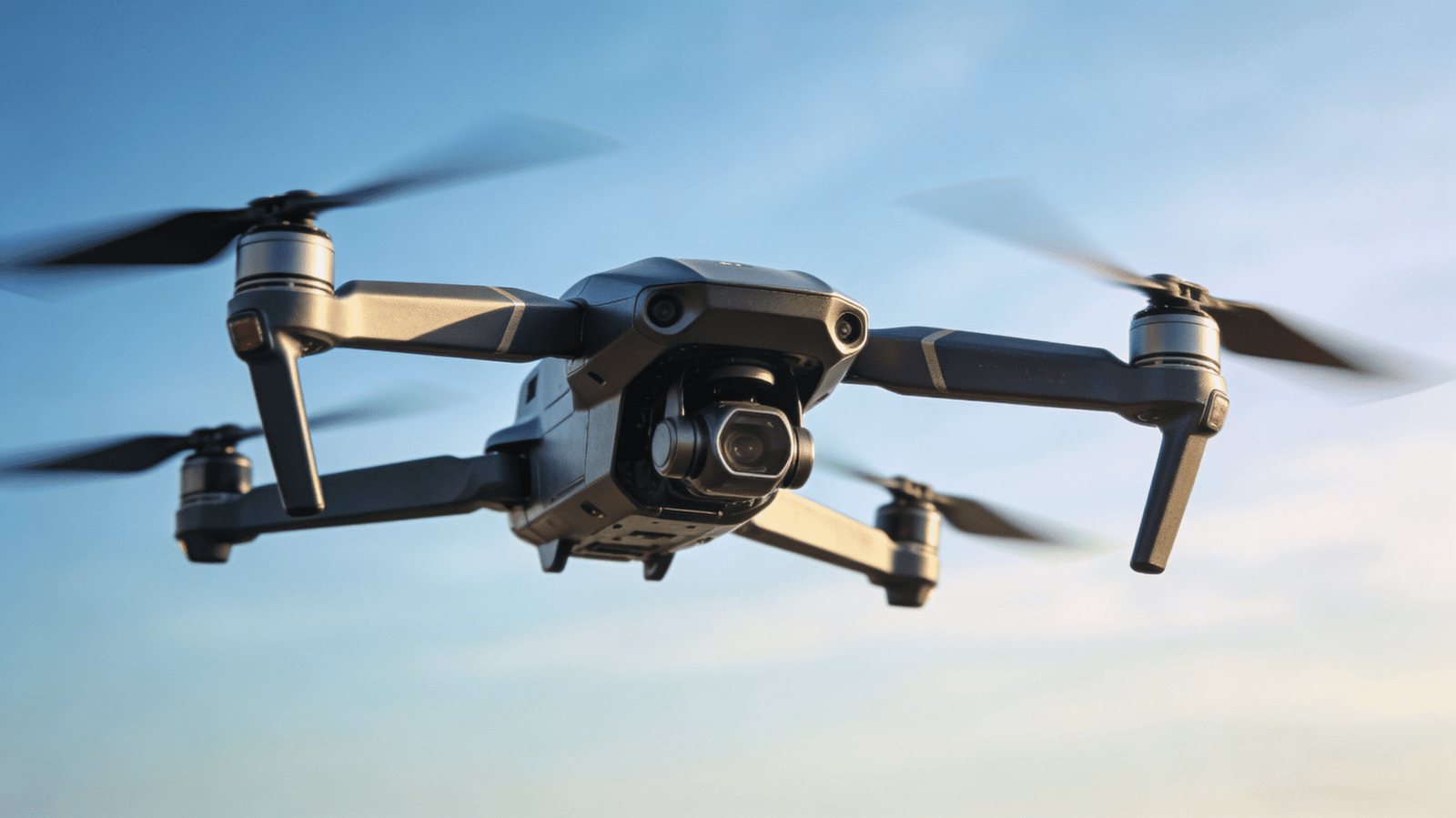
One example of our long-endurance capabilities is the Longkun CLKA-0061 — a 25.2V, 100Ah LiFePO4 battery pack designed for demanding unmanned systems and energy storage applications. Key specs include:
- ✅ ~2.5 kWh of usable energy — ideal for large UAV platforms
- ✅ ~8,000 cycle life — extremely long service life
- ✅ 100A discharge rating — handles high-power motor loads
- ✅ -20°C to +60°C operating range — suitable for outdoor missions in varied climates
What Makes LongKun Different?
Our battery packs are not off-the-shelf products. Rather, every pack is customized to your drone’s exact voltage, capacity, BMS, and connector requirements. Additionally, our manufacturing process meets the highest international standards:
- 🏭 5 fully automated production lines with Industry 4.0 standards
- 🔬 Tier 1 cells from leading manufacturers
- 📋 Certifications: UN38.3, CE, UKCA, RoHS, UL, IEC, MSDS
- 🌍 Markets served: Europe, USA, Australia, Japan, and other developed nations
- 👥 1,500+ satisfied clients globally
Beyond drone batteries, our energy expertise also extends to other long-duration power applications. For instance, if you are looking at residential energy storage battery solutions, we apply the same high-density cell technology and smart BMS integration to home and commercial storage systems as well.
9. Practical Tips to Extend Drone Battery Life
Even the best long endurance drone battery will underperform if it is not used and maintained correctly. Fortunately, following a few simple habits can significantly extend both your per-flight time and your battery’s overall lifespan.
In-Flight Tips
- ✈️ Fly at moderate, steady speeds. Rapid acceleration burns through charge quickly.
- 🚫 Avoid sudden throttle changes. Smooth inputs are more energy-efficient.
- ⚙️ Use efficient propeller and motor combos. Matched components reduce power waste significantly.
- 🌬️ Avoid flying in strong headwinds. Fighting wind doubles power draw fast.
- 📦 Reduce payload where possible. Every 100g of extra weight reduces flight time noticeably.
Battery Care Tips
- 🌡️ Keep batteries within the recommended temperature range. Cold batteries lose capacity temporarily; heat causes permanent damage.
- 🔋 Avoid full 0–100% depth of discharge. Charging to 80–90% and landing at 15–20% extends cycle life significantly.
- 🧠 Use a high-quality Battery Management System (BMS). A smart BMS prevents overcharge, over-discharge, and cell imbalance — all of which reduce lifespan.
- 🗃️ Store batteries at around 50% charge. Long-term storage at full charge degrades lithium batteries faster.
- 🔌 Use the correct charger. A matched charger protects cell health and maximises charge efficiency.
In summary, treating your battery well is just as important as choosing the right one. Therefore, build these habits into your standard operating procedures from day one.
10. Emerging Trends in Drone Battery Technology
The drone battery industry is moving fast. Additionally, several exciting trends are shaping what long endurance drone batteries will look like over the next few years.
📈 Higher Capacity Packs Are Becoming Standard
The market is steadily shifting toward 5,000–10,000 mAh and above packs for commercial drones. This is especially true for platforms carrying heavier payloads or requiring longer on-station times. As battery technology improves, these larger packs are also becoming lighter — a win-win for endurance.
🧠 Smarter Battery Management Systems
Industry reports highlight continued innovation in integrated smart BMS technology. Modern BMS solutions do far more than just prevent overcharge. Instead, they actively balance cells in real time, predict remaining flight time based on actual power draw, and communicate health data to the drone’s flight controller.
⚡ Solid-State Batteries on the Horizon
Solid-state batteries represent the next major leap for drone endurance. Furthermore, they promise significantly higher energy density, improved safety (no liquid electrolyte), and longer cycle life compared to today’s lithium-ion chemistry. LongKun Battery Group is already investing in solid-state battery research and development as part of our long-term roadmap.
🔋 Hybrid Hydrogen-Electric Systems
Some industrial drone makers are experimenting with hybrid power systems that combine a small hydrogen fuel cell with a lithium battery pack. As a result, these systems can achieve flight times of several hours — far beyond what any battery alone can currently deliver.
“The future of long-endurance drone batteries is not just about storing more energy — it is about storing energy smarter, safer, and lighter than ever before.”
🔗 External resource: HTNXT – Global Drone Battery Market Analysis 2025–2035 — for more on emerging battery technologies and commercial trends.
11. Frequently Asked Questions About Long Endurance Drone Batteries
Below are the most common questions people ask about long endurance drone batteries. Furthermore, these answers are designed to give you clear, straightforward information you can act on right away.
How long does a long endurance drone battery last per flight?
+
Most consumer long-endurance drones fly roughly 30–50 minutes on a single battery. Meanwhile, professional VTOL and fixed-wing systems can reach 60–90 minutes or more under ideal conditions with the right battery configuration.
What battery is best for long endurance drones?
+
High-energy-density Li-ion or LiPo packs are typically best for maximizing flight time at low weight. However, LiFePO4 packs are preferred when very long cycle life and enhanced safety are the top priorities — especially for commercial fleets that fly daily.
How many charge cycles does a drone battery last?
+
Typical LiPo UAV batteries last around 200–300 charge cycles under standard use before their capacity noticeably drops. In contrast, LiFePO4 packs can exceed 2,000 cycles while still retaining around 80% of their original capacity — a major advantage for frequent flyers.
Why do industrial drones need long endurance batteries?
+
Industrial missions such as agriculture, inspection, mapping, and emergency response cover large areas or require long on-station time. Therefore, longer endurance reduces costly battery swaps, improves job efficiency, and lowers overall operational cost per mission.
How can I increase my drone’s flight time without changing the battery?
+
Reducing payload weight, optimizing your propellers, flying smoother profiles at moderate speeds, and avoiding strong winds can all extend practical flight time. Additionally, keeping your battery well-maintained and within its ideal temperature range helps preserve performance flight after flight.
Are LiFePO4 batteries good for drones?
+
Yes — LiFePO4 batteries are excellent for high-utilization commercial drones. They provide outstanding safety, can deliver more than 2,000 cycles with about 80% capacity retention, and perform well in a wide temperature range. The trade-off is that they are slightly heavier per watt-hour compared to many Li-ion packs.
What is the longest-lasting drone battery type today?
+
Within mainstream technologies, high-energy-density Li-ion systems currently enable the longest single-flight times in professional UAVs. Some platforms exceed 60–90 minutes in optimized setups. Meanwhile, LiFePO4 packs offer the longest total service life when you count all cycles over the battery’s working lifetime.
How big is the long endurance drone battery market?
+
The broader drone battery market is estimated at around $8.98 billion USD in 2025. Moreover, projections suggest it could reach anywhere from $18.2 billion to $45.64 billion by 2035, driven by strong UAV adoption across agriculture, logistics, defense, and commercial inspection.
Conclusion: Choose the Right Long Endurance Drone Battery for Your Mission
In conclusion, choosing the right long endurance drone battery is one of the most important decisions you will make for your UAV operation. To summarize the key points from this guide:
- ✅ Consumer drones fly 20–40 minutes; industrial drones with the right battery can fly 90+ minutes.
- ✅ Li-ion maximizes flight time per charge; LiFePO4 maximizes total cycle life and safety.
- ✅ Watt-hours (Wh) is the most useful single spec for comparing battery capacity across models.
- ✅ Simple habits — smooth flying, correct storage, and smart BMS — can meaningfully extend both flight time and battery lifespan.
- ✅ The drone battery market is growing fast, and better, smarter, longer-lasting packs are coming soon.
Most importantly, no matter what your drone application is — whether agriculture, inspection, mapping, defense, or emergency response — there is a battery solution built specifically for your needs. Furthermore, working with an experienced custom battery manufacturer ensures that your pack is optimised for your exact drone platform, not just an off-the-shelf compromise.
🚀 Ready to Power Your Drone Fleet Further?
LongKun Battery Group has been custom-building UAV battery packs since 2009. With 50+ engineers, 5 automated production lines, and 1,500+ satisfied clients worldwide, we are ready to design the perfect long endurance drone battery for your exact mission.
Certified to UN38.3 · CE · UKCA · RoHS · UL · IEC · MSDS | Serving Europe, USA, Australia, Japan & beyond
Sources referenced: Precedence Research Drone Battery Market Report; HTNXT Global Drone Battery Market Analysis 2025–2035; AYA UAV Power – UAV Drone Battery Chemistry Guide; ANPS Global – Industrial Drone Battery Comparison; Heliguy DJI Drone Flight Time Knowledge Base; Wingtra Mapping VTOL Flight Time Guide; TCBest Longest Lasting Drone Battery Guide; Alibaba – LongKun CLKA-0061 Product Listing.