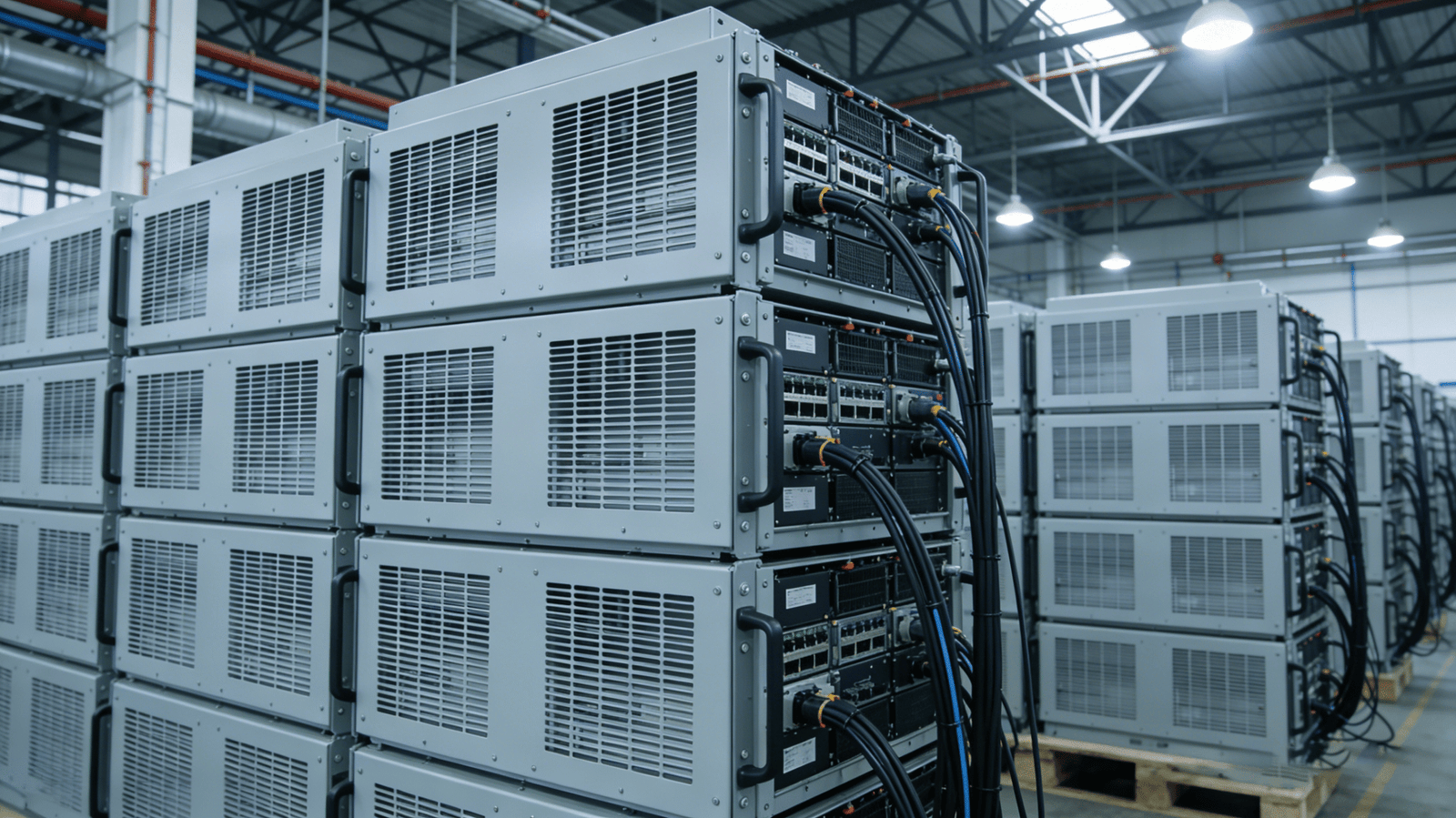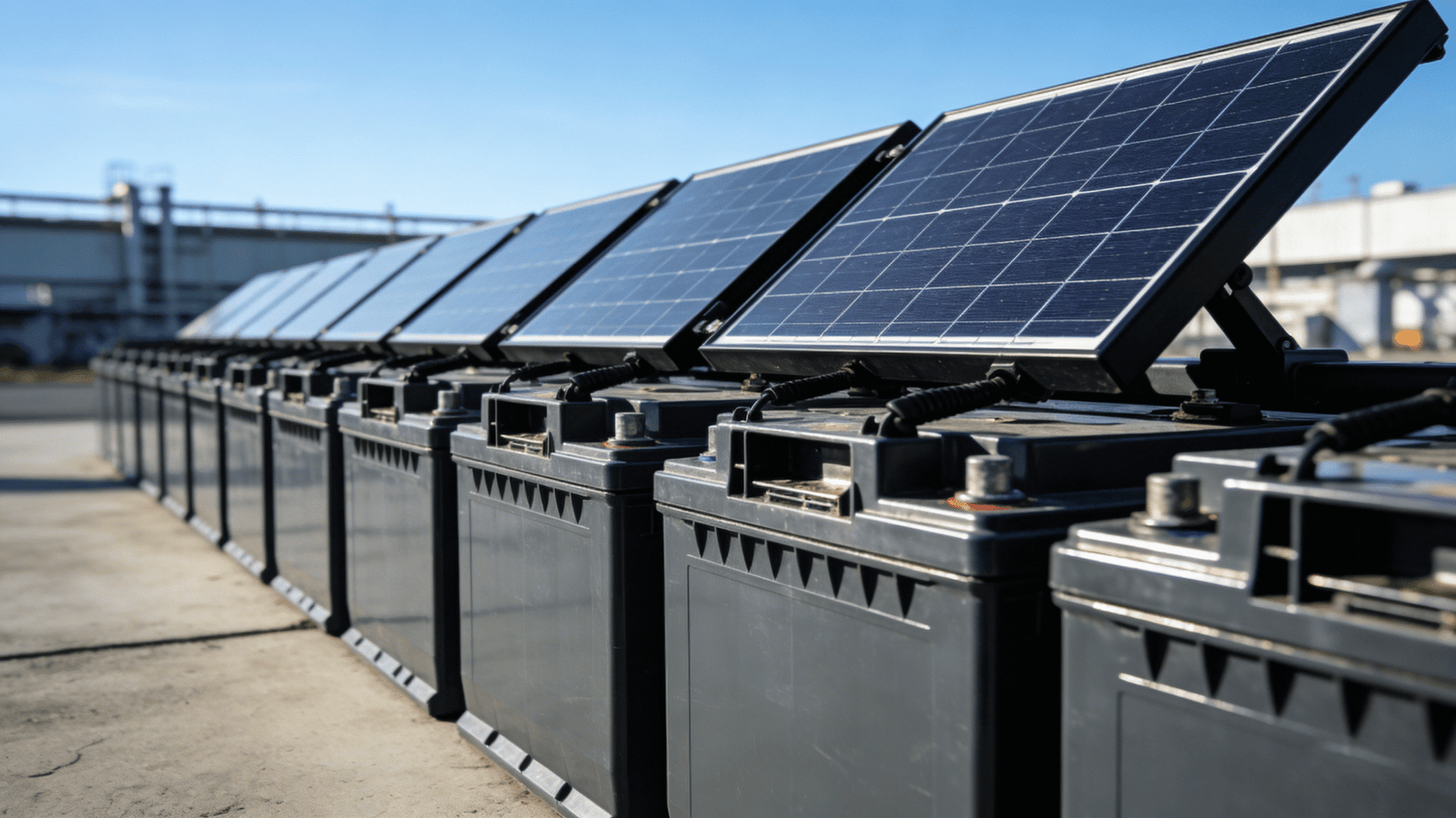
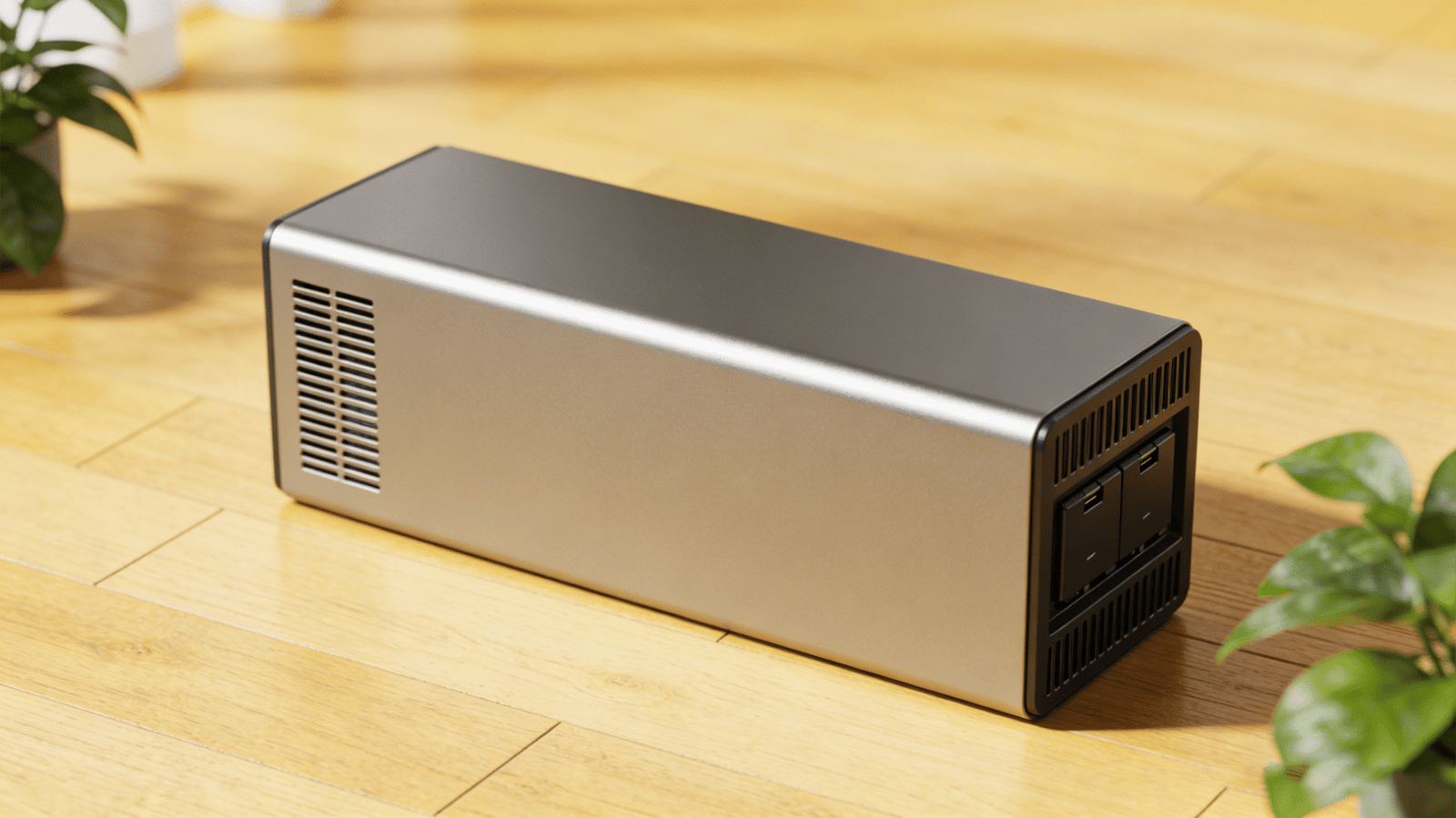
Are you tired of high electricity bills? Do you want your lights to stay on even during a power outage? Then a lithium home battery system might be exactly what you need. In this guide, we will explain everything simply and clearly — from what it is, to how much it costs, to how long it lasts. Let’s get started.
⚡ Quick Answer: What Is a Lithium Home Battery System?
A lithium home battery system is a rechargeable battery installed in your home. It stores electricity — usually from solar panels or the grid — so you can use it later. This means lower electricity bills, backup power during outages, and greater energy independence. Modern systems use lithium iron phosphate (LFP) chemistry because it is safe, long-lasting, and efficient.
📋 Table of Contents
- 📊 Key Takeaway Table: Lithium Home Battery at a Glance
- 1. What Is a Lithium Home Battery System?
- 2. Why Lithium? (LFP vs NMC Comparison)
- 3. How Much Does a Lithium Home Battery System Cost?
- 4. What Size Do You Need? A Simple Sizing Guide
- 5. How Long Will a Lithium Home Battery Power Your Home?
- 6. Key Benefits of a Lithium Home Battery System
- 7. How Long Do Lithium Home Battery Systems Last?
- 8. How to Choose and Install Your Lithium Home Battery Safely
- 9. Market Growth: Why Now Is the Right Time to Invest
- 10. Frequently Asked Questions (People Also Ask)
- 11. Why Choose LongKun Battery Group?
- ✅ Conclusion & Call to Action
📊 Key Takeaway Table: Lithium Home Battery at a Glance
Before we dive deep, here is a quick overview of the most important facts. This table gives you the key information you need at a glance.
| Feature | Typical Value |
|---|---|
| Common capacity | 10–15 kWh for a standard home |
| Average cost (2025) | USD $4,000–$8,000 for a 10 kWh system |
| Lifespan | 10–15 years / 4,000–8,000 charge cycles |
| Round-trip efficiency | 90%+ (lithium-ion) |
| Best chemistry for homes | LFP (Lithium Iron Phosphate) |
| Runtime (10 kWh) | Approx. 8–12 hours for a medium household |
| Market size (2025) | $50.81 billion USD globally |
| Key certifications to look for | UL, IEC, CE, RoHS, UN38.3 |
1. What Is a Lithium Home Battery System?
Simply put, a lithium home battery system is a big rechargeable battery for your house. It works a lot like the battery in your phone — but much larger and far more powerful.
Here is how it works, step by step:
- Solar panels collect sunlight and turn it into electricity during the day.
- Extra electricity charges the battery instead of going back to the grid.
- At night or during an outage, the battery releases its stored energy to power your home.
- A smart Battery Management System (BMS) monitors everything automatically, keeping the battery safe and efficient.
Modern systems also connect to smart home apps. So, you can check your battery level, set charging schedules, and track savings — all from your phone. Additionally, lithium home batteries can work without solar panels. They can charge from the grid during cheap off-peak hours and discharge during expensive peak hours, cutting your bill further.
“A lithium home battery system is like your own personal power station. It works quietly in the background, so your home always has power when you need it most.”
Furthermore, these systems use lithium-ion chemistry, which is compact and highly efficient, often achieving over 90% round-trip efficiency. This means that for every 10 units of electricity you store, you get back at least 9. That is a very good return compared to older battery types.
2. Why Lithium? (LFP vs NMC Comparison)
Not all batteries are the same. For home energy storage, lithium is by far the most popular choice. In fact, lithium-ion systems held about 72.9% of the residential battery market share in 2025. But why is lithium so dominant?
- ✅ It is compact and lightweight, so it fits easily in a garage or utility room.
- ✅ It charges and discharges efficiently (90%+), so little energy is wasted.
- ✅ It lasts much longer than older lead-acid batteries.
- ✅ It works well with smart home and solar systems.
- ✅ It meets international safety standards like UL 9540A and IEC 63056.
Within lithium, there are two main types you will hear about: LFP and NMC. Here is a simple comparison:
| Feature | LFP (Lithium Iron Phosphate) | NMC (Nickel Manganese Cobalt) |
|---|---|---|
| Typical cycles | 6,000–8,000 | 3,000–5,000 |
| Safety | Very stable, lower risk of heat | Good, but less thermally stable |
| Cobalt-free? | ✅ Yes | ❌ No |
| Energy density | Good | Higher (more compact) |
| Best for homes? | ✅ Yes — top choice | Sometimes used in smaller packs |
| Cost over time | Lower (more cycles = better value) | Can be higher due to materials |
💡 Bottom line: For most homeowners, LFP is the smarter choice. It lasts longer, it is safer, and it does not use cobalt — which makes it better for the environment too. LFP is currently the leading segment in lithium stationary storage, holding about 57.8% market share in 2025.
At LongKun Battery Group, our home storage solutions use Tier 1 LFP cells with smart BMS technology. This ensures every pack we deliver meets the highest safety and performance standards.
3. How Much Does a Lithium Home Battery System Cost?
This is one of the most common questions people ask. The good news is that prices have come down a lot in recent years. Here is a clear breakdown for 2025:
| System Size | Estimated Cost (USD, 2025) | Best For |
|---|---|---|
| 5–10 kWh | $2,500–$5,000 | Basic emergency backup |
| 10–15 kWh | $4,000–$8,000 | Standard solar home |
| 15–30 kWh | $8,000–$18,000+ | High-demand homes / with EV |
Keep in mind that these figures are before government incentives and rebates. Many countries in Europe, the USA, and Australia offer tax credits or grants for home battery installations. Therefore, your actual out-of-pocket cost could be significantly lower.
Additionally, the total system price depends on several factors:
- Whether an inverter is included or needs to be bought separately
- Your local installation costs and labour rates
- The brand and chemistry of the battery
- Integration with your existing solar panel system
“Think of a lithium home battery as a long-term investment, not just a product. The savings on electricity bills over 10–15 years often outweigh the upfront cost.”
For more information on government incentives in your region, visit the U.S. Department of Energy’s guide to solar tax credits or the UK Government’s energy efficiency programmes page.
4. What Size Do You Need? A Simple Sizing Guide
Choosing the right size is very important. A battery that is too small will not cover your needs. A battery that is too large is a waste of money. So, how do you figure out the right size? Follow these simple steps:
- Check your electricity bills. Look at your energy use over the last 1–3 months. Find your average daily kWh usage.
- Know your solar system size. A 10 kW solar system typically generates 35–45 kWh per day, so it pairs well with a 15–30 kWh battery.
- Decide how many backup hours you need. Do you just want emergency power for a few hours, or full overnight coverage?
- Pick the right capacity range from the table below.
| Use Case | Recommended Capacity | Typical Coverage |
|---|---|---|
| Basic emergency backup | 5–10 kWh | A few hours of essentials (lights, fridge, Wi-Fi) |
| Standard solar home (3–4 residents) | 10–15 kWh | Most evening and overnight use |
| High demand / with EV charger | 15–20+ kWh | Extended backup + EV top-up |
As a rule of thumb: most families with solar panels do best with a 10–15 kWh system. This range balances cost, savings, and peace of mind perfectly.
🔋 Pro tip from LongKun engineers: Start by listing your “critical loads” — fridge, lights, Wi-Fi router, and phone chargers. Then add any extra appliances you want to power during an outage. This makes sizing much easier and more accurate.
5. How Long Will a Lithium Home Battery Power Your Home?
This is a great question, and the answer depends on what appliances you are running. Let’s look at a realistic scenario for a medium-sized household using a 10 kWh lithium home battery:
| Appliance | Approx. Power Draw | Hours from 10 kWh Battery |
|---|---|---|
| Fridge + Freezer | ~150W | 60+ hours (very efficient) |
| Lights (LED, whole home) | ~100W | 100 hours |
| TV + Wi-Fi router | ~150W | 60+ hours |
| All of the above together | ~400W | ~25 hours |
| Add occasional kettle/microwave | ~400–1,500W extra bursts | ~8–12 hours total |
So, for a typical medium household running essential loads, a 10 kWh battery will comfortably last 8–12 hours. Energy-efficient homes might even make it through the whole night on a single charge.
Furthermore, if your battery is paired with solar panels, it will start topping itself back up during the day. This means you could potentially run indefinitely through regular cycles of charging and discharging.
“A 10 kWh lithium battery is like a full day of energy security. It covers the essentials and keeps your household running smoothly, even when the grid goes down.”
6. Key Benefits of a Lithium Home Battery System
Beyond the numbers, here is what a lithium home battery system actually does for your everyday life:
- Lower electricity bills: Households that pair solar with lithium storage report savings of around 30% on their electricity bill in the first year alone.
- Backup power during outages: Keep your fridge, lights, and devices running even when your neighbours lose power.
- Energy independence: Reduce your reliance on the grid and protect yourself from rising energy prices.
- Better use of solar energy: Instead of selling surplus solar back cheaply, store it and use it yourself at full value.
- Smart monitoring: App-based controls let you see and manage your energy use in real time.
- Eco-friendly: Using stored solar energy reduces your carbon footprint and helps the planet.
- Long-lasting reliability: With 4,000–8,000 cycles and a 10–15 year lifespan, lithium batteries are built to go the distance.
In short, a lithium home battery system saves you money, keeps you safe during outages, and supports a greener lifestyle. Additionally, it is one of the best ways to future-proof your home against rising energy costs.
7. How Long Do Lithium Home Battery Systems Last?
One of the biggest worries people have is: “Will this battery wear out quickly?” The answer is: no, not at all.
Lithium home batteries are designed to last a long time. Here is what you can typically expect:
- Lifespan: 10–15 years of regular use
- Charge cycles: 4,000–8,000 cycles before capacity drops significantly
- LFP chemistry delivers the highest cycle counts — often 6,000–8,000 cycles
To put that in perspective: if you charge and discharge your battery once per day, 6,000 cycles means over 16 years of daily use. That is a very strong return on your investment.
📋 What to look for in a warranty: Most reputable manufacturers offer warranties based on a fixed number of years (typically 10 years) AND a guaranteed remaining capacity (for example, at least 60–80% capacity remaining after the warranty period). Always check both conditions before you buy.
Furthermore, proper care helps your battery last even longer. Avoiding extreme temperatures, keeping charge levels between 20–80% for daily use, and using a quality BMS all contribute to a longer life. At CLK Battery, our packs come with advanced smart BMS technology built in, which automatically protects and optimises your battery’s health.
8. How to Choose and Install Your Lithium Home Battery Safely
Installing a lithium home battery system is not just about buying the right product. It is also about installing it correctly and safely. Here is what you need to know:
Step-by-Step: How to Choose the Right Battery
- Calculate your needs. Review 1–3 months of electricity bills and identify your average daily usage.
- Choose the right chemistry. For most homes, LFP is the best choice for safety, lifespan, and value.
- Check certifications. Look for UN38.3, IEC, CE, UL, and RoHS marks. These prove the battery has been tested for safety and quality.
- Pick a trusted supplier. Choose a manufacturer with a strong track record, real certifications, and good after-sales support.
- Plan your installation. Work with a certified local installer who knows your country’s building codes and safety rules.
Safety Standards to Look For
A good lithium home battery must meet strict international safety standards. When you buy from a certified supplier, these standards are already built into the product:
IEC 63056
UL 9540A
CE
UKCA
RoHS
MSDS
Moreover, LFP-based systems are particularly well-suited for home installation because of their superior thermal stability. They are much less likely to overheat compared to other lithium chemistries. However, always ensure your installer follows local fire safety requirements and positions the battery in a well-ventilated, temperature-controlled space.
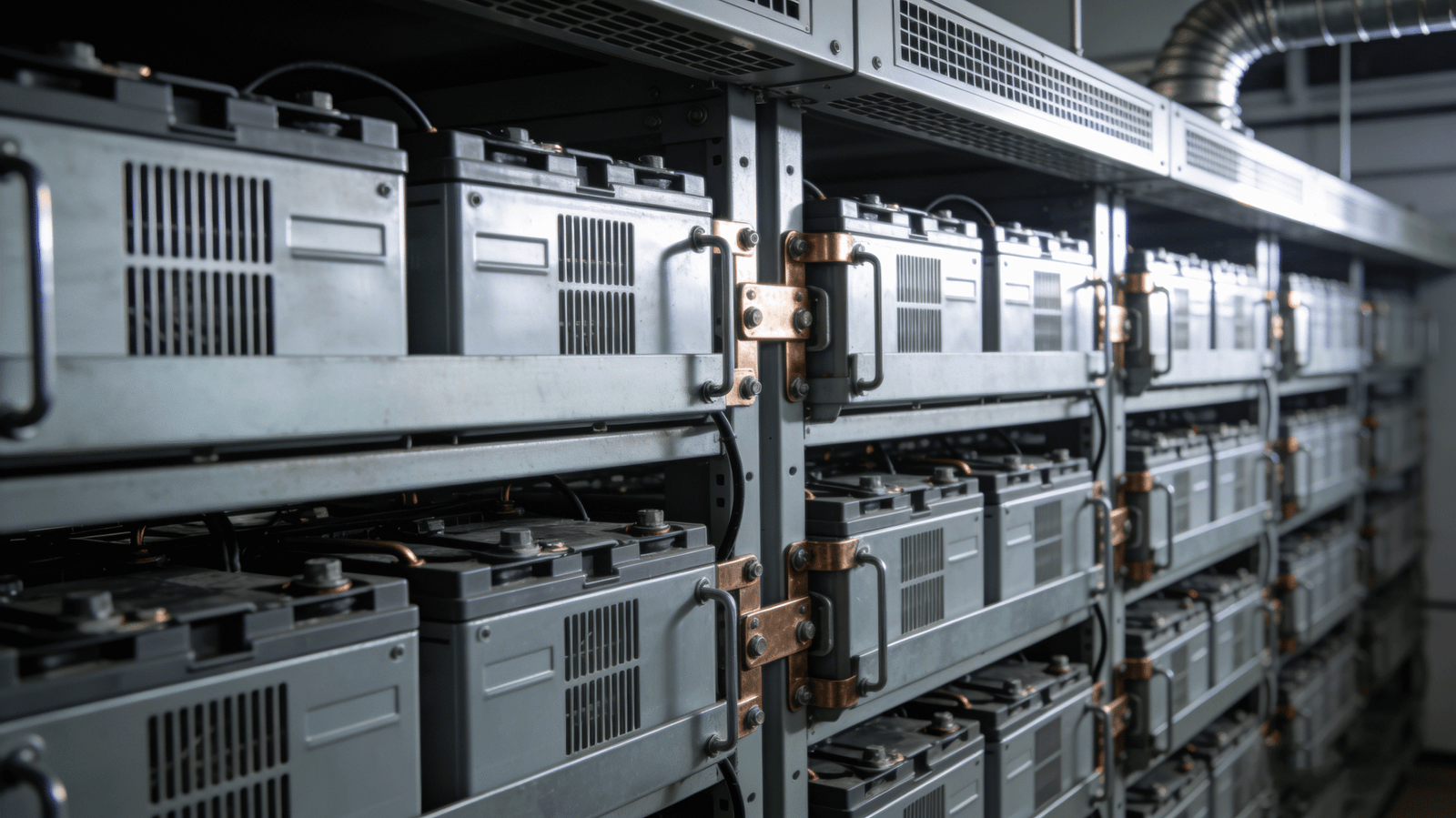
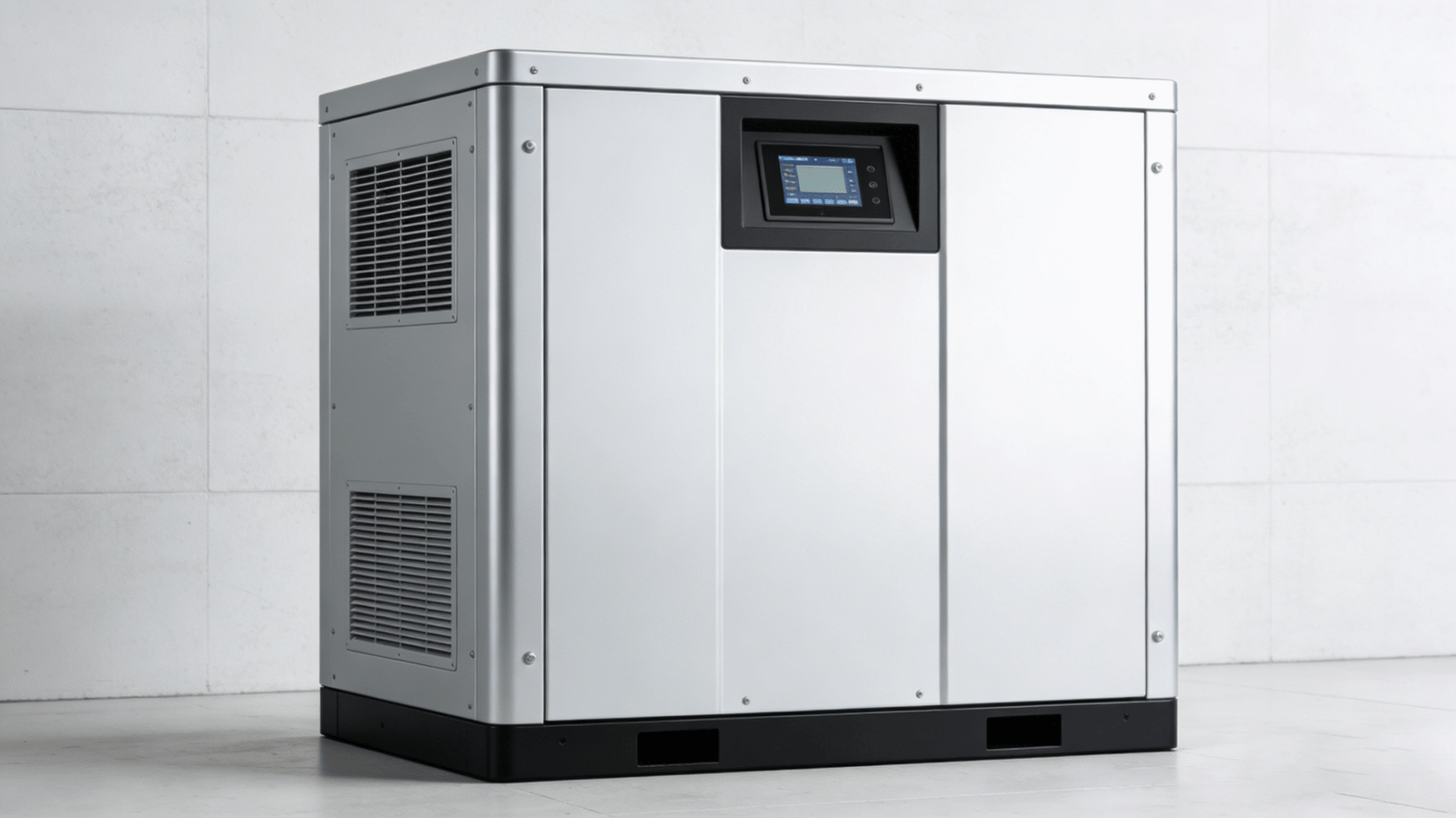
Looking for a battery solution that goes beyond home storage? LongKun Battery Group also provides custom battery packs for demanding applications such as industrial UPS systems — offering the same rigorous safety standards and long-life performance in mission-critical environments.

9. Market Growth: Why Now Is the Right Time to Invest
The lithium home battery system market is booming right now. In fact, the numbers show that more and more homeowners around the world are making the switch. Here is why this matters to you:
| Market Segment | 2025 Value (USD) | 2035 Value (USD) | Growth Rate (CAGR) |
|---|---|---|---|
| Home battery storage systems | $50.81 billion | — | ~15.8% (2025–2033) |
| Lithium-ion stationary battery storage | $86.5 billion | $484.5 billion | ~18.8% (2025–2035) |
Three key forces are driving this incredible growth:
- 📈 Rising electricity prices in Europe, the USA, and Australia are pushing homeowners to seek independence from the grid.
- ☀️ Rapid solar adoption creates demand for storage, since solar panels produce energy during the day but homes need it at night.
- ⚡ Growing EV ownership means households want more stored energy at home for vehicle charging too.
Furthermore, government policies in many developed countries now strongly support home battery installation. Incentives, tax credits, and feed-in tariffs all make the financial case stronger than ever. As a result, the best time to invest in a lithium home battery system is now — before prices rise further with demand.
For further reading on energy storage market trends, the International Energy Agency (IEA)’s report on batteries and secure energy transitions is a highly trusted resource.
10. Frequently Asked Questions (People Also Ask)
Here are the top questions people search for about lithium home battery systems — answered simply and clearly.
11. Why Choose LongKun Battery Group for Your Lithium Home Battery?
With so many battery suppliers out there, why does LongKun Battery Group stand out? Here is a straightforward look at what makes us different.
| What We Offer | Details |
|---|---|
| 🏭 Founded | Shenzhen, 2009 — 15+ years of battery expertise |
| ⚙️ Production | 5 fully automated lines, Industry 4.0 standard |
| 👨🔬 Engineering team | 50+ engineers, some from BYD and CATL |
| 👷 Skilled workforce | 1,000 workers, 50 million+ units/year output |
| 🌍 Clients served | 1,500+ satisfied clients across Europe, USA, Australia, Japan |
| 📜 Certifications | UN38.3, MSDS, IEC, CE, UKCA, RoHS, UL |
| 🔋 Cell quality | Tier 1 brand cells with smart BMS technology |
| 🚀 Future-ready | Active investment in solid-state battery R&D |
Beyond home energy storage, LongKun’s battery expertise spans many industries. For example, our long endurance drone batteries are engineered for maximum flight time and reliability — using the same high-quality LFP cells and smart BMS technology we bring to every product we make.
Furthermore, our team provides full support from your first enquiry all the way through to after-sales service. This means you get expert guidance at every step, reducing both purchasing cost and communication hassle for you.
“We do not just sell batteries. We provide complete, custom-engineered energy solutions — backed by 15 years of manufacturing excellence and a team of world-class engineers.”
— LongKun Battery Group, Shenzhen
🌱 Green manufacturing matters to us. Throughout our entire production process, we strictly follow international environmental standards. We believe that great batteries and a healthy planet go hand in hand.
✅ Conclusion: Is a Lithium Home Battery System Right for You?
By now, the answer should be clear. A lithium home battery system is one of the smartest investments a homeowner can make in 2025. It saves money on electricity bills, keeps your home powered during outages, works brilliantly with solar panels, and lasts over a decade.
To quickly recap the most important points:
- Most homes need 10–15 kWh — enough for overnight coverage and essential backup.
- LFP chemistry is the best choice for safety, longevity, and value.
- A 10 kWh system costs around $4,000–$8,000 before incentives in 2025.
- Expect 10–15 years of service and 4,000–8,000 charge cycles.
- The market is growing fast — more demand means early movers benefit most.
- Always buy from a certified, experienced manufacturer with proven safety credentials.
The global shift to clean energy is accelerating. As a result, homes with battery storage are becoming the new standard — not the exception. Therefore, whether you already have solar panels or are thinking about getting them, now is the ideal time to add a lithium home battery system to your home.
🔋 Ready to Power Your Home with Lithium Storage?
LongKun Battery Group has been building world-class lithium battery solutions since 2009. Let our team of 50+ expert engineers help you find the perfect system for your home — with full support from enquiry to after-sales care.
📍 LongKun Battery Group — Shenzhen, China |
🌐 clkbattery.com |
Serving Europe · USA · Australia · Japan and beyond