Are your electricity bills getting higher every year? Do you want to use more of your own solar energy instead of buying from the grid? Or are you looking for reliable backup power during blackouts? If you said yes to any of these, then a home energy storage system could be exactly what you need.
In this complete guide, we cover everything. We start with the basics and move all the way to choosing the right system for your home. Whether you are a first-time buyer or just researching your options, you will find clear, simple answers here.
📋 Table of Contents
- Key Takeaways at a Glance
- Part 1: Understanding the Basics
- What Is a Home Energy Storage System?
- How Does a Home Energy Storage System Work?
- Part 2: Market Size and Global Adoption
- Global Home Energy Storage Market Size and Growth (2025)
- How Many Homes Are Already Using Solar + Storage?
- Part 3: Technology and Sizing
- What Battery Technology Is Best for Home Energy Storage?
- What Size Home Energy Storage System Do I Need?
- Grid-Tied vs Hybrid vs Off-Grid: Which Is Right for You?
- Part 4: Benefits, Costs, and Savings
- Key Benefits of a Home Energy Storage System
- How Much Does a Home Energy Storage System Cost?
- How Much Can You Save on Your Electricity Bill?
- How Long Can a Home Battery Power Your House?
- Part 5: The Complete Buying Guide
- How to Choose the Right Home Energy Storage System
- Safety, Installation, and Certification Requirements
- Government Incentives and Policies Driving Adoption
- Integration with Solar PV and Smart Home Systems
- Is a Home Energy Storage System Worth It? (Use Cases)
- Part 6: LongKun Home Energy Storage Solutions
- LongKun Battery Group Home Energy Storage Solutions
- Part 7: Frequently Asked Questions
- Frequently Asked Questions About Home Energy Storage Systems
- Conclusion: Is It Time to Power Your Home with a Battery Storage System?
⚡ Key Takeaways at a Glance
Before we dive in, here is a quick summary of the most important facts about home energy storage systems:
| Your Question | Quick Answer |
|---|---|
| What is it? | A battery system that stores electricity from solar panels or the grid for later use at home |
| Best technology in 2025? | Lithium-ion (especially LFP chemistry) — used in ~70% of all home systems worldwide |
| Typical size for most homes? | 5–20 kWh capacity; the NREL benchmark is 5 kW / 12.5 kWh for an average home |
| How long does backup last? | 8–24 hours for critical loads (lights, fridge, internet) with a 10–15 kWh system |
| Is it worth buying? | Yes — especially if you have solar panels, high electricity prices, or an unreliable grid |
| Global market size (2025)? | ~$3.08 billion USD; projected to reach $6.89 billion by 2034 |
| Key certifications to look for? | UN38.3, CE, UKCA, UL, IEC, RoHS — always check before buying |
Now let’s explore each topic in detail.
Part 1: Understanding the Basics
1. What Is a Home Energy Storage System?
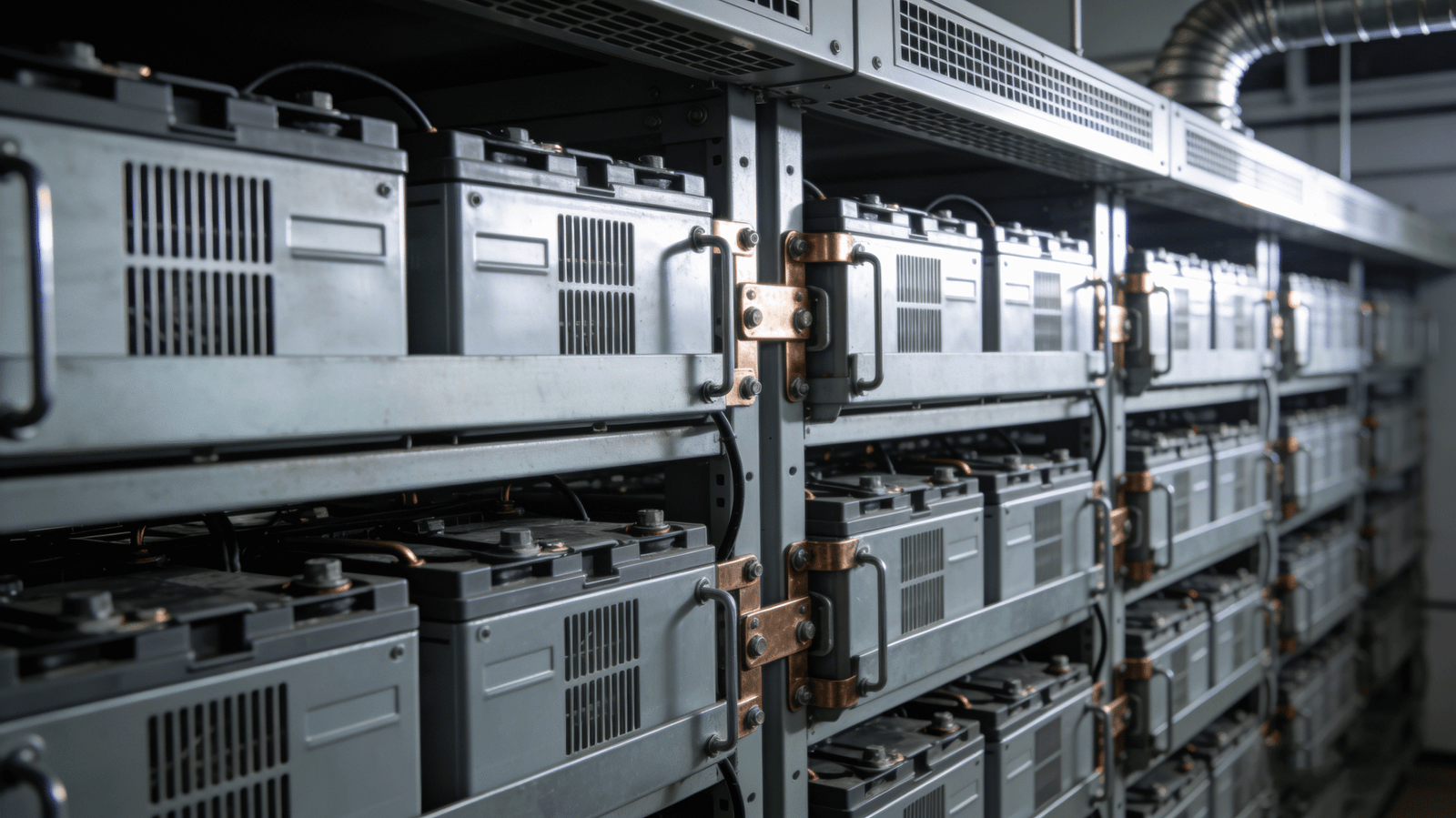
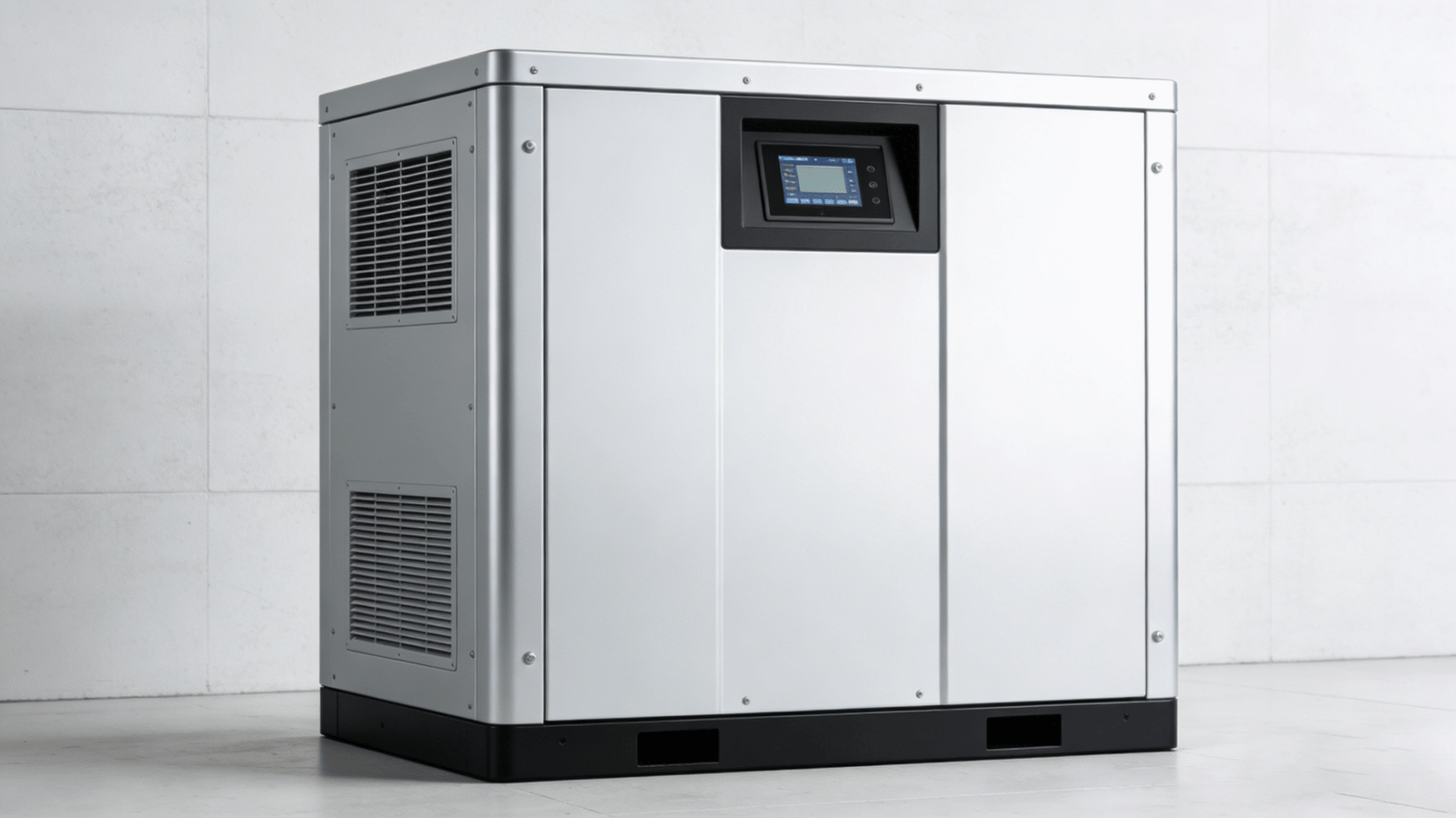
A home energy storage system is a battery-based device that stores electricity for later use. It collects power from either your rooftop solar panels or the electricity grid. Then, it releases that stored energy when you need it most — like at night, during peak price hours, or when the grid goes down.
Think of it like a giant, rechargeable power bank for your entire house.
Most home energy storage systems include three key parts that work together:
- Battery Pack — This stores the electricity. Most modern systems use lithium-ion batteries, especially the LFP (Lithium Iron Phosphate) type, because of their safety and long life.
- Inverter — The battery stores energy as DC (direct current). Your home uses AC (alternating current). The inverter converts DC into AC so your appliances can run on the stored power.
- Battery Management System (BMS) — This is the “brain” of the system. It monitors temperature, voltage, and charging status to keep the battery safe, efficient, and long-lasting.
Furthermore, home energy storage systems are very flexible in terms of installation. They can be mounted on a wall or placed on the floor. They work indoors or outdoors. Most importantly, they integrate easily with your existing solar PV panels to maximize the amount of free solar energy you use every day.
2. How Does a Home Energy Storage System Work?
Understanding how these systems work is actually quite simple. Here is the process, step by step:
- ☀️ Step 1 — Charging: The battery charges in two main situations. First, when your solar panels produce more power than your home is currently using. Second, when grid electricity is cheap — usually at night or during off-peak hours.
- 🏠 Step 2 — Storing: The battery pack holds the electricity safely until you are ready to use it. A good BMS constantly monitors the battery to keep it in perfect condition.
- ⚡ Step 3 — Discharging: When you need power — like in the evening, during peak rate hours, or during a power cut — the system automatically releases the stored energy to run your home.
- 🧠 Step 4 — Smart Control: Software inside the system constantly makes decisions. It checks your electricity tariff, your solar output, and how much power you are using. Then it decides the best time to charge and discharge for maximum savings.
Moreover, advanced home energy storage systems can go one step further. They can participate in Virtual Power Plant (VPP) programs, which let you sell excess stored energy back to the grid during high-price periods — sometimes earning you money.
Part 2: Market Size and Global Adoption
3. Global Home Energy Storage Market Size and Growth (2025)
The home energy storage industry is not just growing — it is booming. More and more homeowners across the world are recognising the value of energy independence. As a result, the market is expanding rapidly every year.
Here are the key numbers you need to know:
| Metric | Value | Year | Notes |
|---|---|---|---|
| Global home ESS market size | $3.08 billion USD | 2025 | Total residential energy storage market |
| Forecast global market size | $6.89 billion USD | 2034 | Driven by solar + storage adoption growth |
| North America market share | ~45% | 2024 | Largest regional market by revenue |
| Single-family homes share | ~55% | 2024 | Biggest end-user customer segment |
| Most popular capacity range | 10–20 kWh (~40% share) | 2024 | Fits most average-sized family homes |
| Broader home battery market | ~$10 billion USD | 2023 | Includes all solar-paired residential batteries |
| Forecast home battery market | >$30 billion USD | 2030 | Expected to triple in just 7 years |
| Residential battery market (forecast) | $5.83 billion USD | 2034 | Residential battery-specific sub-segment |
| US residential storage installed | Exceeded 1,250 MW | 2024 | Up 57% compared to 2023 |
| Total US energy storage (all segments) | 12.3 GW / 37,143 MWh | 2024 | Up ~33–34% year-on-year |
These numbers tell a clear story. The home energy storage system market is growing faster than almost any other sector in clean energy. In fact, US residential storage grew by 57% in just one year — from 2023 to 2024. That kind of growth does not happen unless homeowners are truly seeing real benefits.
4. How Many Homes Are Already Using Solar + Storage?
You might be wondering — are home batteries really mainstream yet? The answer depends on where you live. But the trend is clear: adoption is accelerating everywhere.
| Region / Metric | Value | Year | Insight |
|---|---|---|---|
| Solar homes with batteries — Germany & Italy | >70% | 2023 | Batteries are already the standard here |
| Solar homes with batteries — Australia | 20% | 2023 | One in every five solar homes has a battery |
| Solar homes with batteries — USA | 13% | 2023 | Growing fast, earlier stage than Europe |
| New US solar installs that include a battery | 15–20% | 2023 | Attachment rate for brand-new solar installs |
| US homeowners who added storage in one year | 200,000+ | 2023 | Mainstream adoption is clearly underway |
| Global cumulative residential battery capacity | ~20 GWh | 2023 | Total installed globally |
| New global residential capacity in one year | ~12 GWh added | 2023 | Huge single-year leap |
The data from Germany and Italy is especially striking. In those countries, more than 70% of all solar homes already have a battery. That is a strong signal for where the rest of the world is heading. Australia and the United States are following the same path, just a few years behind.
If you are thinking about installing solar panels, now is also the perfect time to consider adding a home energy storage system at the same time.
Part 3: Technology and Sizing
5. What Battery Technology Is Best for Home Energy Storage?
When shopping for a home energy storage system, one of the first things you will encounter is the question of battery chemistry. In short: lithium-ion batteries dominate the market, and for very good reasons.
| Battery Type | Market Share | Key Traits | Best For |
|---|---|---|---|
| Lithium Iron Phosphate (LFP) | ~70% of market | Very safe, long cycle life, no cobalt, stable chemistry | Most residential homes ✅ |
| Lithium NMC | Significant share | Higher energy density, slightly more compact | Space-limited installs |
| Lead-acid | Niche / declining | Lower upfront cost, heavier, much shorter life | Off-grid budget setups only |
| Flow batteries | Emerging (commercial) | Very long life, highly scalable, large physical footprint | Large commercial/industrial storage |
Within the lithium-ion family, LFP (Lithium Iron Phosphate) has become the top choice for residential use. Here is why homeowners and manufacturers prefer it:
- 🔒 Exceptionally safe — very low risk of thermal runaway or fire compared to other lithium chemistries
- 🔄 Long cycle life — can handle 3,000–6,000+ charge/discharge cycles, often lasting 10–15 years
- ⚡ High round-trip efficiency — loses very little energy during the charging and discharging process
- 🌍 More environmentally friendly — contains no cobalt, which raises ethical and supply chain concerns in other chemistries
- 🌡️ Stable at high temperatures — performs reliably even in warm climates
6. What Size Home Energy Storage System Do I Need?
Choosing the right size is the most important decision you will make. Too small, and you run out of power too quickly. Too large, and you overspend on capacity you never use.
Here is a simple sizing guide based on home type:
| Home Type | Recommended Capacity | Covers | Typical Use Case |
|---|---|---|---|
| Small apartment / highly efficient home | 5–10 kWh | Lights, fridge, TV, internet | Basic backup + solar storage |
| Average family home (3–4 bedrooms) | 10–20 kWh | Most appliances + EV charging | Full daily solar self-consumption |
| Large home / high consumption | 20–30+ kWh | AC, pool, EV, heavy loads | Near-full energy independence |
According to NREL’s 2024 data, a typical benchmark residential battery system is 5 kW power output / 12.5 kWh capacity — enough to provide several hours of backup at normal household loads.
Furthermore, the 10–20 kWh range holds about 40% of the entire home energy storage market, which confirms that most family homes land in this range. Medium-capacity systems (5–15 kWh) account for about 40.1% of all residential systems installed in 2024.
How to Size Your System in 5 Steps
- Check your monthly electricity bill — Find your average daily usage in kWh (e.g. 25–35 kWh/day is typical for a family home).
- Decide what you want to cover — Full backup needs more capacity than just storing solar surplus.
- List your critical loads — What absolutely must stay on during a blackout? (Fridge, lights, internet, medical devices?)
- Factor in your solar array size — A bigger solar system generates more surplus, so you may need a larger battery to capture it all.
- Balance size with budget and incentives — After applying available government rebates and tax credits, the cost difference between sizes often shrinks considerably.
7. Grid-Tied vs Hybrid vs Off-Grid: Which Is Right for You?
There are three main ways to set up a home energy storage system. Each one suits a different type of homeowner. Therefore, it is important to understand the differences before you buy.
| System Type | Grid Connection | Solar Compatible? | Best For | Relative Cost |
|---|---|---|---|---|
| Grid-Tied | Always connected | Optional | Urban/suburban homes focused on bill savings | 💲💲 |
| Hybrid | Connected + solar | Yes — designed for it | Solar homeowners wanting the best of both worlds | 💲💲💲 |
| Off-Grid | No grid connection | Yes — essential | Remote locations without reliable grid access | 💲💲💲💲 |
🔌 Grid-Tied Storage
This is the most common type, representing about 60% of home ESS connectivity in 2024. The system stays connected to the utility grid at all times. It uses the battery mainly for bill savings, short-term backup, and off-peak charging. It is a great starting point for homeowners new to energy storage.
⚡ Hybrid Storage (Most Recommended)
A hybrid system connects to both the grid and your solar panels. It is the fastest-growing segment because it gives you maximum flexibility. During the day, solar charges the battery. At night, you draw from the battery. If both run out, you draw from the grid. And if there is a blackout, your battery keeps you running.
🏕️ Off-Grid Storage
Completely off-grid systems operate without any utility connection. They need a much larger battery bank and usually a backup generator too. While they provide total energy independence, they are significantly more expensive and complex. As a result, they are mostly used in remote properties, rural areas, or locations where grid connection is very expensive or unreliable.
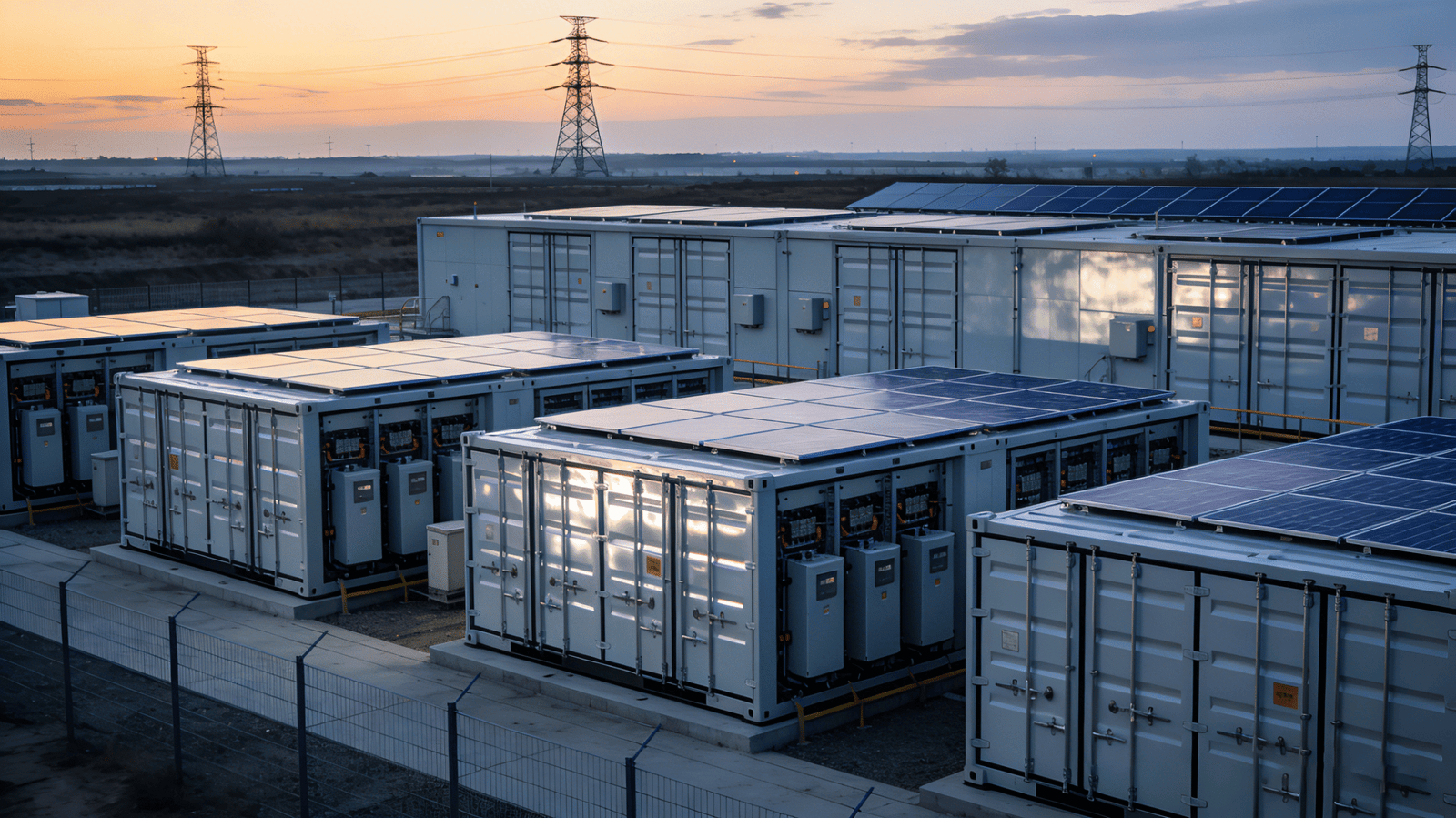
For larger-scale needs beyond the home — such as commercial properties, data centers, or telecom base stations — explore LongKun’s industrial energy storage systems, which scale up these same principles for business-grade applications.
Part 4: Benefits, Costs, and Savings
8. Key Benefits of a Home Energy Storage System
So why are hundreds of thousands of homeowners choosing to install a home energy storage system every year? The answer is simple: the benefits are real, measurable, and long-lasting. Here are the top five advantages:
Lower Electricity Bills
Store cheap off-peak power and use it during expensive peak hours. In regions with time-of-use tariffs, this alone can cut bills by 30–60%.
Backup Power During Outages
When the grid goes down, your battery kicks in automatically. Critical loads like lights, fridge, and internet keep running — no disruption.
Maximum Solar Self-Use
Without a battery, excess solar energy goes back to the grid at a low rate. With storage, you use that energy yourself — getting full retail value.
Energy Independence
Rely less on utility companies. Protect yourself from rising electricity prices and contribute to a cleaner energy grid for everyone.
Smart Home Integration
Modern systems connect to smartphone apps. Monitor usage, track savings, and control your system remotely from anywhere in the world.
✅ Lower Electricity Bills
One of the most immediate benefits is the impact on your monthly bill. If your electricity provider uses time-of-use (TOU) pricing, your battery can charge at night when rates are at their lowest. Then, during expensive peak hours — typically evenings — you draw from the battery instead of the grid. The savings add up every single day.
✅ Reliable Backup Power During Outages
Power outages are becoming more frequent in many parts of the world due to extreme weather events and grid aging. When the grid fails, a home energy storage system automatically switches to backup mode — often in less than 20 milliseconds. Your essential appliances keep running without any interruption. This is particularly valuable for homeowners with medical equipment, electric vehicles, or businesses working from home.
✅ More Solar Self-Use
Without a battery, a typical solar home only uses about 30–40% of the solar energy it generates. The rest goes back to the grid, often at a low export tariff. However, with a home battery, self-consumption rates typically jump to 60–80% or even higher. As a result, every kWh you store and use yourself saves you the full retail electricity rate — not just the low export rate.
✅ Greater Energy Independence
Energy prices have been rising globally. By storing your own energy, you are also protecting yourself against future price increases. Additionally, reducing grid consumption means fewer carbon emissions — a genuine benefit for the environment as well as your wallet.
✅ Smart Home Integration
Today’s home energy storage systems are not just batteries. They are intelligent energy management hubs. Moreover, they can communicate with smart thermostats, EV chargers, solar inverters, and home automation systems. Most come with intuitive apps that show you real-time data on energy generation, storage, and consumption.
9. How Much Does a Home Energy Storage System Cost?
Cost is naturally one of the first questions on every homeowner’s mind. The good news is that prices have fallen dramatically over the past decade — and continue to drop. The cost of lithium-ion battery cells has declined by more than 90% since 2010, according to BloombergNEF’s battery price survey.
The final cost of your system depends on several factors:
| Cost Factor | How It Affects Price | Tip |
|---|---|---|
| Capacity (kWh) | More kWh = higher cost. This is the biggest driver. | Buy only what you genuinely need |
| Power output (kW) | Higher peak output = more expensive | Match to your highest-demand appliances |
| Battery chemistry | LFP vs NMC can differ in upfront cost vs lifespan | LFP usually offers better value over the long term |
| Installation complexity | New install vs retrofit, single vs three-phase wiring | Get quotes from at least 3 installers |
| Your country / region | Import duties, labour costs, and grid standards vary | Ask for localised pricing from your supplier |
| Available incentives | Government rebates and tax credits can cut cost by 20–40% | Always check local incentive programmes first |
For customised pricing on home energy storage systems built to your exact specifications, contact LongKun Battery Group at clkbattery.com. As a direct manufacturer with over 15 years of experience, LongKun can provide competitive pricing without middleman markups.
10. How Much Can You Save on Your Electricity Bill?
This is the question everyone really wants answered. And the honest answer is: it depends — but the savings can be very significant. Here are the four main ways a home energy storage system reduces your electricity costs:
1. ☀️ Solar Self-Consumption Maximisation
Every kWh of solar energy you store and use yourself is worth the full retail electricity rate. Without a battery, you might export that energy for just $0.03–0.08/kWh. With a battery, you use it yourself instead of buying from the grid at $0.20–0.40/kWh. That is a difference of 3x–10x in value per kWh.
2. 📈 Time-of-Use Arbitrage
In regions with time-of-use (TOU) tariffs, electricity prices change throughout the day. Charging your battery at off-peak rates and discharging during peak rates means you effectively pay the cheaper rate for all your peak-hour consumption. In some US and Australian markets, peak rates can be 3–5x higher than off-peak rates.
3. 🛡️ Avoiding Demand Charges
Some electricity plans — especially for homes or small businesses with high consumption — include demand charges based on your highest usage moment. A home battery can “flatten” those usage spikes by supplying extra power during peak moments. As a result, your demand charges fall.
4. 📤 Grid Export and VPP Earnings
In certain markets, you can enrol your battery in a Virtual Power Plant (VPP) programme. These programmes pay you to discharge your battery into the grid during times of high grid stress. Some homeowners earn hundreds of dollars per year from VPP participation alone.
11. How Long Can a Home Battery Power Your House?
Runtime depends on two things: your battery’s capacity (kWh) and how much power your home is drawing (kW). Here is a practical reference table:
| Battery Capacity | Critical Loads Only* | Moderate Use** | Whole Home (with AC)*** |
|---|---|---|---|
| 5–7 kWh | 4–8 hours | 2–4 hours | 1–2 hours |
| 10–12 kWh | 8–16 hours | 4–8 hours | 2–4 hours |
| 15 kWh | 12–24 hours | 6–12 hours | 3–5 hours |
| 20+ kWh | 24–48 hours | 12–20 hours | 5–8 hours |
*Critical loads: fridge, lights, internet, phone charging (~500W–1 kW total)
**Moderate use: above + TV, laptop, small appliances (~1.5–2.5 kW)
***Whole home with AC: full household draw (~3–5 kW)
According to NREL’s residential benchmark, a 5 kW / 12.5 kWh system provides roughly 2.5 hours of full-power operation. However, by prioritising only essential circuits during an outage, many homeowners stretch a 10–12 kWh battery to last through an entire night comfortably.
Additionally, if you want to cover longer outages — say, a 2–3 day storm event — you might consider installing two battery units together. Many modern home energy storage systems are modular and stackable, making expansion easy.
Part 5: The Complete Buying Guide
12. How to Choose the Right Home Energy Storage System
With so many options on the market, choosing the best home energy storage system can feel overwhelming. However, if you focus on the right factors, the decision becomes much clearer. Here is a comprehensive checklist to guide you:
📋 Key Factors to Assess
| Factor | What to Look For | Why It Matters |
|---|---|---|
| Daily energy use (kWh) | Check your electricity bill for average daily consumption | Determines minimum battery capacity needed |
| Peak power demand (kW) | Identify your highest-draw appliances | Ensures battery can handle simultaneous loads |
| Outage frequency | How often does your grid go down? | More frequent outages = more critical to have storage |
| Solar system size | Existing or planned PV panel capacity (kWp) | Larger solar = more surplus to store |
| Budget + incentives | Upfront cost vs available rebates and tax credits | Net cost after incentives is what really matters |
| Cycle life | Look for 3,000–6,000+ cycles (LFP typically achieves this) | Determines how long the battery lasts |
| Warranty | 10-year warranty is the industry standard for premium systems | Protects your investment long-term |
| Inverter compatibility | Check if the battery works with your existing solar inverter | Incompatible systems can cause performance loss |
| Safety certifications | UN38.3, CE, UL, IEC, RoHS, UKCA | Non-certified products are a safety and warranty risk |
| After-sales support | Does the manufacturer offer local technical support? | Critical for troubleshooting and warranty claims |
13. Safety, Installation, and Certification Requirements
Safety is the most important factor when choosing a home energy storage system. A lithium battery storing several kilowatt-hours of energy inside your home must meet strict safety standards. Therefore, always verify that any system you consider carries the correct certifications for your country.
| Certification | What It Covers | Required In | Importance |
|---|---|---|---|
| UN38.3 | Safe transport of lithium batteries by air, sea, and road | Global | ✅ Essential |
| CE Mark | Meets all EU safety, health, and environmental requirements | Europe | ✅ Required for EU sales |
| UKCA | UK Conformity Assessed — UK equivalent of CE post-Brexit | United Kingdom | ✅ Required for UK sales |
| UL 9540 / UL 1973 | US safety standard for energy storage systems and batteries | USA / Canada | ✅ Essential for North America |
| IEC 62619 | International safety standard for secondary lithium cells | Global | ✅ International benchmark |
| RoHS | Restriction of hazardous substances — no lead, mercury, cadmium | EU / Global | ✅ Environmental compliance |
| MSDS | Material Safety Data Sheet — chemical composition and handling | Global | ✅ Shipping and customs compliance |
In addition to product certifications, installation standards also matter. In most countries, home battery systems must be installed by a licensed electrician. A professional installer will ensure correct wiring, appropriate location (away from heat sources and direct sunlight), proper ventilation, and compliance with local building codes.
14. Government Incentives and Policies Driving Adoption
One of the biggest reasons home energy storage system adoption is accelerating is the growing support from governments around the world. In many countries, you can reduce your upfront cost by 20–40% through incentives, rebates, and tax credits.
🇺🇸 United States — Federal Investment Tax Credit (ITC)
Under the Inflation Reduction Act (IRA), homeowners in the US can claim a 30% federal tax credit on the cost of a home battery storage system when installed alongside solar panels — or even as a standalone battery. This is one of the most generous residential energy storage incentives in the world. Additionally, many US states offer extra rebates on top of the federal credit. For the latest details, visit the US Department of Energy’s solar incentives page.
🇦🇺 Australia — State Rebate Programmes
Australia has some of the most aggressive battery storage incentive programmes in the world. Several states offer rebates of up to AUD $3,000–4,000 for home battery installations. As a result, Australia has seen very high solar-plus-storage adoption rates — already at 20% of all solar homes in 2023.
🇪🇺 Europe — EU Green Deal and National Incentives
European countries have introduced a wide range of national incentive schemes to accelerate home energy storage adoption. Germany, in particular, has seen the highest attachment rates globally — over 70% of new solar homes include a battery. Meanwhile, Italy’s “Superbonus” programme drove a massive wave of solar and storage installations. The EU’s Solar Energy Strategy continues to drive policy support across member states.
🇯🇵 Japan — Smart Community and Storage Subsidies
Japan has long invested in home energy storage systems as part of its national energy security strategy. Government subsidies and utility incentives continue to support residential battery adoption, particularly in combination with solar PV.
15. Integration with Solar PV and Smart Home Systems
A home energy storage system on its own is valuable. But when you combine it with rooftop solar PV panels and smart home technology, the results are transformative.
☀️ Solar + Storage: The Perfect Partnership
Here is how the solar-plus-storage combination works in practice:
- ☀️ Daytime: Solar panels generate electricity. Your home uses what it needs right now.
- 🔋 Midday surplus: When solar output exceeds home demand, the battery charges up instead of sending power back to the grid at a low rate.
- 🌙 Evening: Solar panels stop generating. You draw from the battery instead of paying peak grid rates.
- 🌙 Night: If the battery runs low, the grid tops it up — ideally during off-peak hours when rates are cheapest.
- ⛈️ During outage: The system seamlessly switches to battery power, keeping your home running regardless of grid status.
🏠 Smart Home Integration Features
Modern home energy storage systems come with impressive smart features that make energy management effortless. Additionally, these features integrate with the broader smart home ecosystem:
- 📱 Smartphone app monitoring — See real-time data on solar generation, battery charge level, home consumption, and grid import/export.
- 🤖 AI-powered charge scheduling — The system learns your usage patterns and automatically optimises charge and discharge times for maximum savings.
- 🚗 EV charger integration — Charge your electric vehicle from stored solar energy, not the grid.
- 🌡️ Smart thermostat coordination — Pre-cool or pre-heat your home using solar power before peak rates kick in.
- 🔌 Virtual Power Plant participation — Earn money by allowing your battery to feed excess energy back to the grid during high-demand events.
For businesses wanting to scale these benefits beyond a single home, LongKun’s industrial energy storage systems apply the same proven LFP battery technology and smart BMS capabilities to commercial, industrial, and utility-scale applications.
16. Is a Home Energy Storage System Worth It? (Use Cases)
The question of whether a home energy storage system is “worth it” depends largely on your specific situation. However, the following checklist will help you quickly assess whether the investment makes strong financial and practical sense for you.
✅ A Home Energy Storage System Is Highly Worth It If…
- ✅You have solar panels (or plan to install them) — a battery dramatically increases the value you get from solar
- ✅Your electricity provider uses time-of-use (TOU) pricing with big differences between peak and off-peak rates
- ✅You live in an area with frequent power outages — backup power provides immediate, tangible peace of mind
- ✅Electricity prices in your area are high (above $0.20/kWh) — the higher the rate, the faster the payback
- ✅Government incentives are available in your country or state — rebates can cut your payback period by years
- ✅You drive an electric vehicle and want to charge it on free solar energy
- ✅You work from home and cannot afford internet/computer outages during grid failures
- ✅You have medical devices at home that require uninterrupted power
⚠️ You May Want to Wait If…
- ⚠️Your electricity tariff is flat and very low (under $0.12/kWh) — savings will be minimal
- ⚠️Your grid is extremely stable and outages are essentially nonexistent in your area
- ⚠️You rent your home and cannot make permanent modifications
- ⚠️Your solar panels are very small (under 3 kW) — there may not be enough surplus to make storage worthwhile yet
Part 6: LongKun Home Energy Storage Solutions
17. LongKun Battery Group Home Energy Storage Solutions
When it comes to choosing a reliable manufacturer for your home energy storage system, experience and certification matter enormously. LongKun Battery Group (clkbattery.com) has been manufacturing premium custom battery solutions in Shenzhen, China since 2009 — serving over 1,500 satisfied clients across Europe, the USA, Australia, Japan, and other developed markets.
📦 LongKun Residential Energy Storage Capacity Range
| System Tier | Capacity Range | Power Output | Battery Chemistry | Typical Application | Cycle Life |
|---|---|---|---|---|---|
| Essential | 5–10 kWh | 3–5 kW | LFP (Lithium Iron Phosphate) | Apartments, small homes, basic backup | 4,000–6,000 cycles |
| Standard | 10–20 kWh | 5–10 kW | LFP | Family homes, solar self-consumption, EV charging | 4,000–6,000 cycles |
| Premium / Expandable | 20+ kWh (modular) | 10–20 kW | LFP | Large homes, high-consumption, small business | 4,000–6,000 cycles |
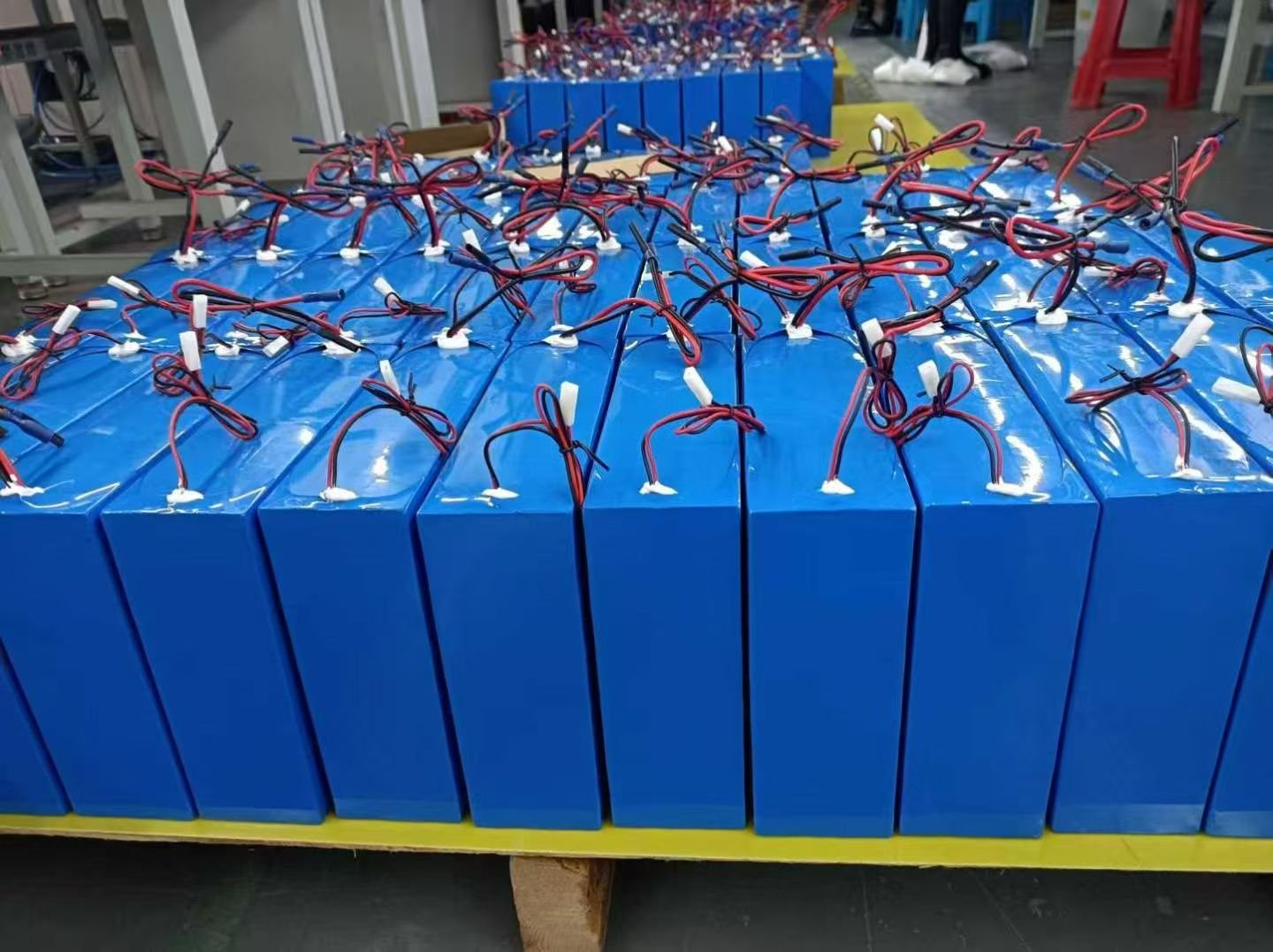
All LongKun home energy storage systems use Tier 1 brand advanced LFP cells, a smart Battery Management System (BMS), and are built on 5 fully automated Industry 4.0 production lines. Each system is designed and tested by a team of 50+ experienced engineers — including engineers formerly employed at BYD and CATL, two of the world’s leading battery manufacturers.
🏆 Why Choose LongKun Battery Group?
15+ Years Manufacturing
Founded in Shenzhen in 2009. Deep expertise in custom battery pack solutions for residential and commercial use.
50+ Expert Engineers
Including alumni from BYD and CATL. Specialists in high-voltage, high/low temperature, and explosion-proof battery design.
Industry 4.0 Factory
5 fully automated production lines. 1,000 skilled workers. Annual output exceeds 50 million units.
1,500+ Global Clients
Trusted by companies in Europe, USA, Australia, Japan, and more. Proven track record across multiple industries.
Full Certifications
UN38.3, MSDS, IEC, CE, UKCA, RoHS, UL. Passed audits from globally recognised international brands.
One-Stop Customisation
From Battery Structure Design and Cell Making to BMS solutions, Battery Pack assembly, and Charger development.
🔧 LongKun’s Comprehensive Battery Services
LongKun Battery Group provides a truly one-stop custom battery pack manufacturing service. Consequently, customers avoid the complexity and cost of working with multiple suppliers. Services include:
- ✅ Battery Structure Design — tailored to your application’s physical and electrical requirements
- ✅ Cell Manufacturing — using Tier 1 advanced cells from leading global suppliers
- ✅ Battery Module Assembly — precision assembly under Industry 4.0 quality controls
- ✅ BMS Solution — choose from existing proven designs or fully custom BMS development
- ✅ Battery Pack Production — full pack assembly, testing, and quality assurance
- ✅ Battery Charger Development — compatible charger design and production
- ✅ After-Sales Support — from inquiry through to after-sale technical service
🏅 LongKun’s Certifications
Every LongKun home energy storage system is covered by a comprehensive suite of international certifications:
UN38.3 | MSDS | IEC | CE | UKCA | RoHS | UL
These certifications ensure that LongKun products meet the regulatory requirements of all major global markets — including Europe, the United Kingdom, the United States, Australia, and Japan.
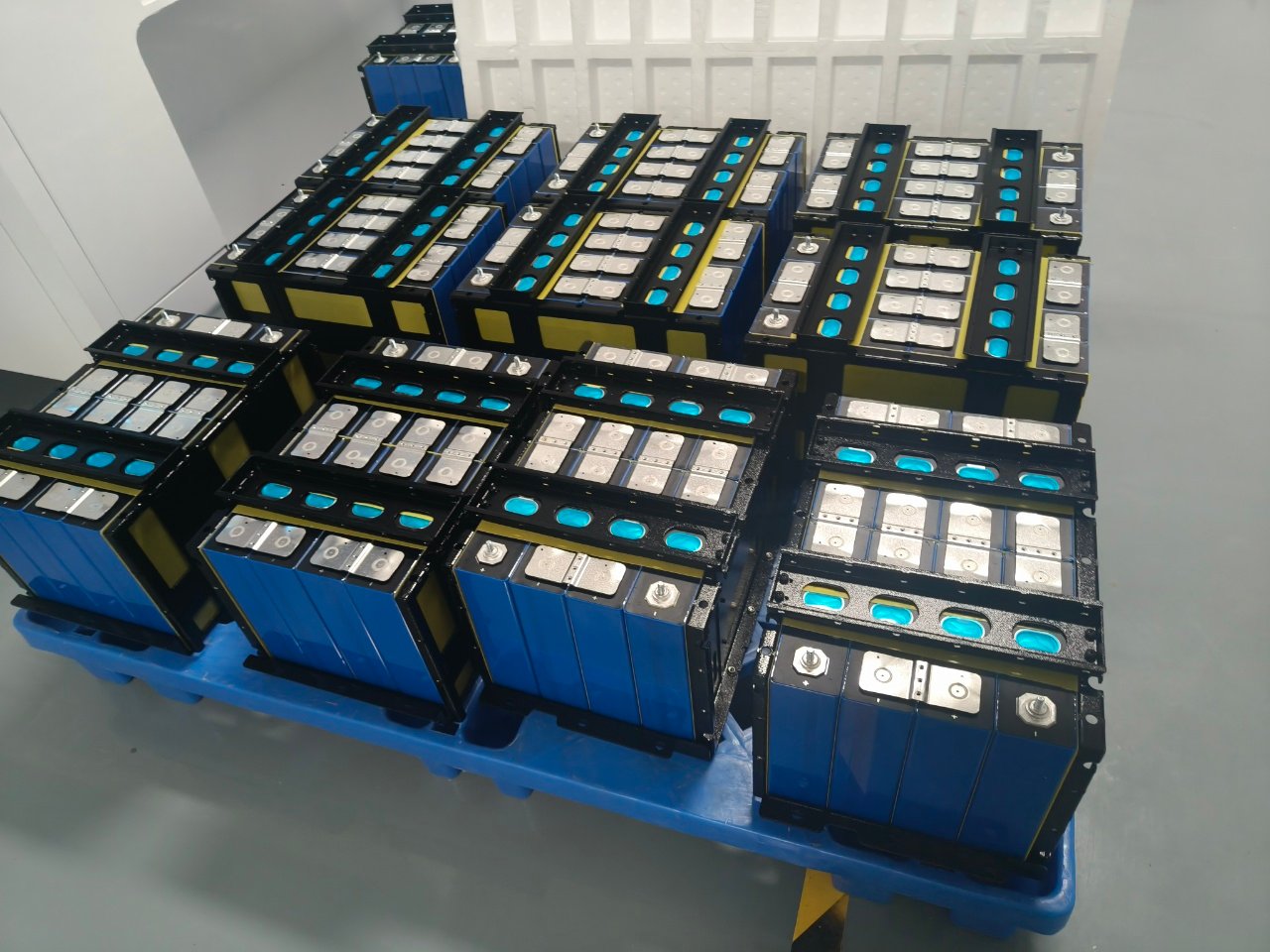
For business-scale energy storage needs — including commercial installations, telecom base stations, data center UPS systems, and industrial applications — explore LongKun’s industrial energy storage systems, which use the same certified LFP technology scaled for larger deployments.
💬 Get Your Free Custom Home Energy Storage Quote
Tell LongKun your home’s size, solar setup, and energy goals. Their team of 50+ expert engineers will design the perfect battery solution for you — at direct manufacturer pricing.
Get a Free Quote → Industrial Storage SolutionsPart 7: Frequently Asked Questions
18. Frequently Asked Questions About Home Energy Storage Systems
Here are the most common questions homeowners ask about home energy storage systems — answered clearly and concisely.
Conclusion: Is It Time to Power Your Home with a Battery Storage System?
We have covered a lot of ground in this guide. So let’s bring it all together with a clear summary of what we have learned.
A home energy storage system is no longer a luxury or a niche technology for early adopters. It is rapidly becoming a standard part of the modern, efficient home — especially for homeowners with solar panels, rising electricity costs, or concerns about grid reliability.
The market data confirms this shift convincingly. The global home energy storage market is on track to more than double from $3.08 billion in 2025 to $6.89 billion by 2034. US residential storage grew by 57% in just one year. In Germany and Italy, more than 70% of solar homes already have a battery. The direction of travel is clear and consistent: home energy storage is going mainstream.
Here is what we know for certain from everything covered in this guide:
- ✅ LFP lithium-ion batteries are the best technology for most homes — safe, long-lasting, and efficient
- ✅ 10–20 kWh is the right capacity range for most average family homes
- ✅ A hybrid system paired with solar gives you the best combination of savings and backup
- ✅ Government incentives in the US, Europe, and Australia can cut your upfront cost by 20–40%
- ✅ Always check for UN38.3, CE, UL, IEC, and RoHS certifications before buying
- ✅ Choosing a manufacturer with proven experience, full certifications, and strong after-sales support is critical for long-term success
Whether you are a homeowner looking to lower your electricity bills, protect your family during outages, or maximise the value of your solar investment — a home energy storage system can deliver on all three goals simultaneously. And with prices continuing to fall every year, the best time to act is now.
🔋 Ready to Get Your Home Energy Storage System?
LongKun Battery Group has been building world-class custom battery solutions since 2009. With 50+ expert engineers, 5 Industry 4.0 production lines, and full international certifications (UN38.3, CE, UKCA, UL, IEC, RoHS), we are ready to design the perfect home energy storage system for your needs — at direct factory pricing, shipped to Europe, USA, Australia, Japan, and beyond.
Join 1,500+ satisfied clients worldwide. Contact us today for a free, no-obligation custom quote.
🔋 Get My Free Custom Quote 🏭 Industrial Storage SolutionsMarket data sources: Precedence Research, Cervicorn Consulting, BNEF, PatentPC, Renewable Energy Magazine, NREL ATB 2024. All market figures are for reference; actual results may vary by region, installation, and usage profile. Always consult a qualified installer for personalised advice.