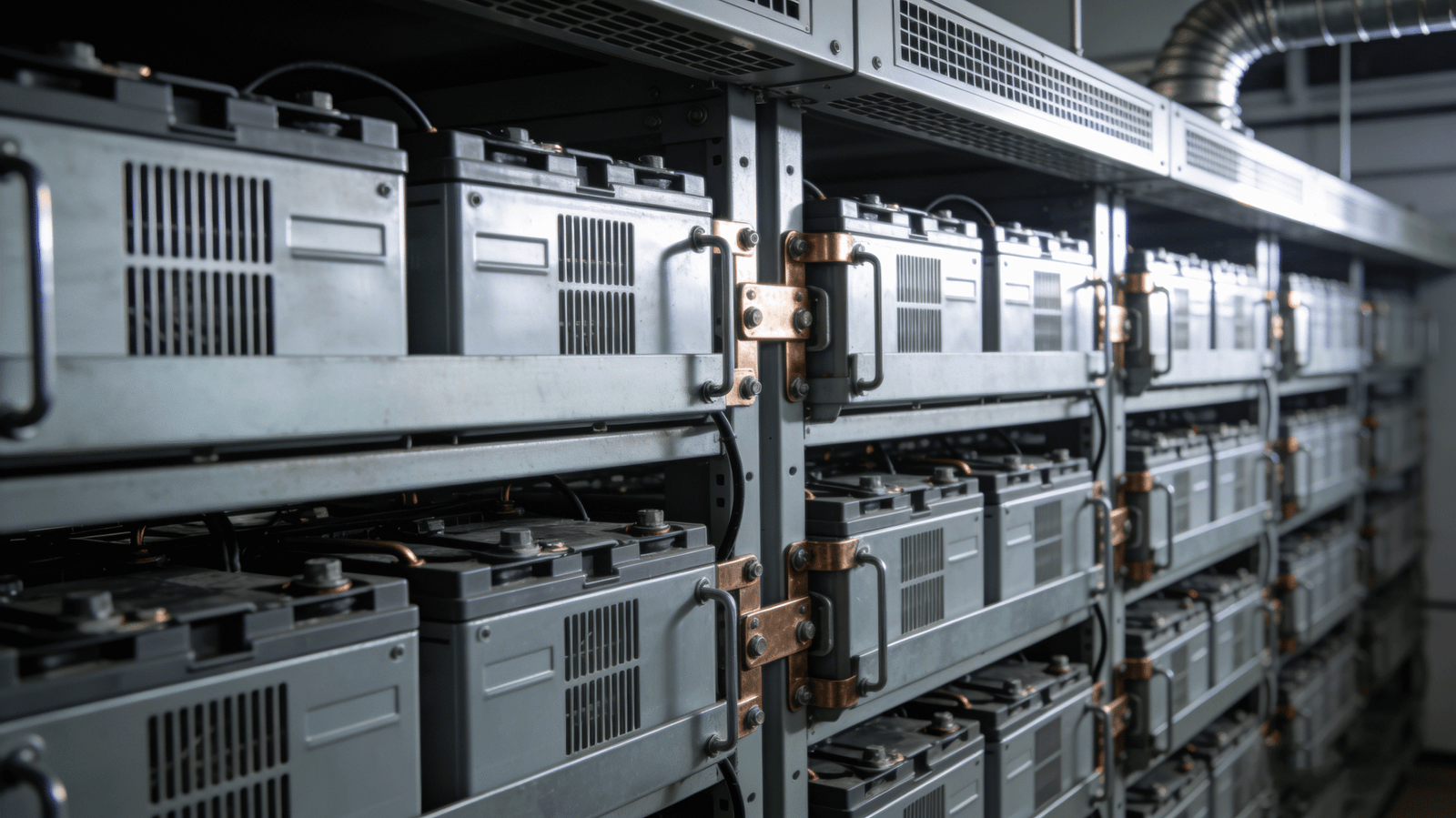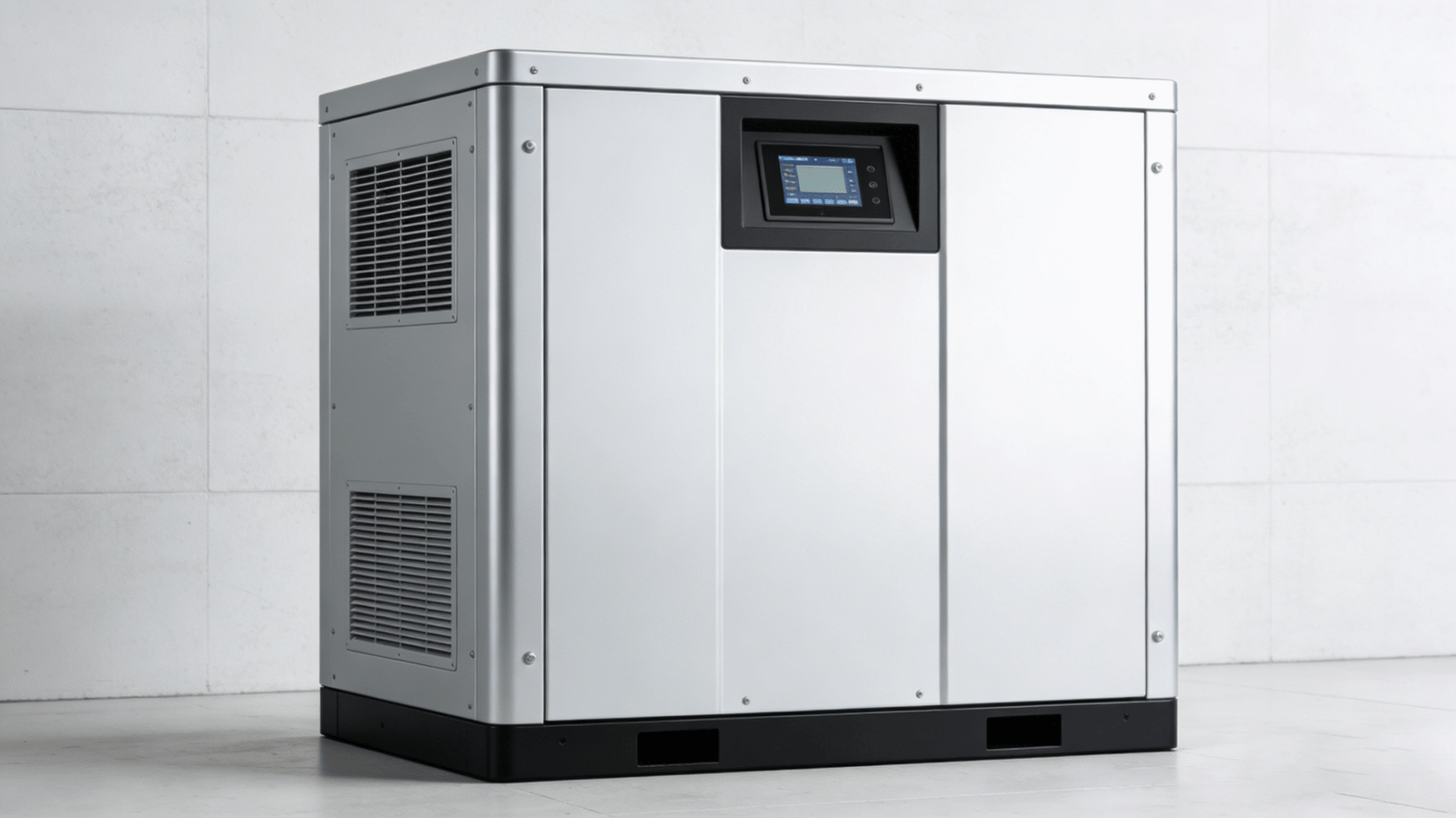
Whether you fly for fun, film, or industrial work, your drone lithium battery is the single most important part of your aircraft. It decides how long you stay in the air, how safely you fly, and how much your setup will cost over time. In this guide, you will find everything you need — from basic definitions to expert buying tips — all in one place.
Quick-Glance Key Facts: Drone Lithium Battery at a Glance
Before we dive deep, here are the most important facts you should know right away.
| Topic | Key Takeaway |
|---|---|
| Most popular chemistry | LiPo (Lithium Polymer) — used in ~95% of drones today |
| Global market size (2024) | ~$1.02 billion USD |
| Projected market size (2035) | ~$45.64 billion USD (CAGR ~17.65%) |
| Typical consumer drone flight time | 15–30 minutes per charge |
| Best voltage for consumer camera drones | 3S (11.1 V) |
| Longest cycle life chemistry | LiFePO₄ — up to 8,000 cycles |
| Safest storage charge level | 40–60% state of charge |
| Top tip for longer battery life | Avoid full discharges; store cool and dry |
What Is a Drone Lithium Battery?
A drone lithium battery is a rechargeable power pack that stores and delivers electrical energy to a drone’s motors, flight controller, camera, and other electronics. Simply put, it is the “fuel tank” of your drone.
The word lithium refers to the chemical element used inside the battery cells. Lithium is very light, and it stores a large amount of energy. That combination makes it perfect for drones, which need lots of power without carrying too much weight.
Main Lithium Battery Chemistries Used in Drones
Not all lithium batteries are the same. In fact, there are three main types you will encounter in the drone world:
- Lithium Polymer (LiPo): The most common choice for drones today. LiPo packs are thin, flexible, and very light. They also handle high discharge rates well, which is critical for fast-moving drones.
- Lithium-Ion (Li-ion): These cylindrical or prismatic cells offer a longer cycle life. They are often found in larger drone platforms where endurance matters more than raw speed.
- Lithium Iron Phosphate (LiFePO₄): The safest of the three. LiFePO₄ packs handle heat better and last much longer, though they are slightly heavier than LiPo.
Before lithium technology took over, drones used nickel-based batteries such as NiCd (Nickel Cadmium) and NiMH (Nickel Metal Hydride). However, those older chemistries carry far less energy for their weight. As a result, most modern drones have switched completely to lithium.
Key Point: Most modern drones are powered by lithium batteries because of their high energy density and low weight. Lithium simply stores more power in less space than any other widely available chemistry.
Why Do Most Drones Use Lithium Batteries?
It is not a coincidence that around 95% of drones today run on lithium batteries, mainly LiPo and Li-ion packs. There are very good reasons for this overwhelming preference.
The Advantages of Lithium for Drones
- High energy density: Lithium stores more energy per kilogram than almost any other rechargeable chemistry. More energy means longer flights.
- Low weight: Because drones must lift themselves into the air, every gram counts. Lithium packs are among the lightest options available.
- Strong discharge performance: Drones demand sudden bursts of high current, especially during takeoff and sharp maneuvers. Lithium batteries, particularly LiPo, handle these demands very well.
- Flat and flexible shapes: LiPo cells can be made in almost any shape. This lets drone designers pack batteries into tight spaces for a better fit.
- Wide temperature performance: Quality lithium packs work across a broad range of temperatures, which is important for outdoor flights.
Why Older Chemistries No Longer Compete
Nickel-based batteries (NiCd and NiMH) are now rare in drones for one simple reason: lower energy density. They are heavier and bulkier for the same amount of stored power. Meanwhile, hydrogen fuel cells are still experimental. They are costly and complex to manage, so they remain a niche technology for now.
LiPo batteries, in particular, have become the largest segment in the drone battery market. Their winning combination of energy density and flexible design has made them the clear industry standard. For a deeper look at lithium battery technology overall, check out our Complete Lithium Battery Guide for 2025 and Beyond.
Drone Lithium Battery Market Size and Growth (2025–2035)
The drone lithium battery market is not just growing — it is exploding. Here is a snapshot of where the industry stands today and where it is heading.
| Metric | Value / Insight |
|---|---|
| Global drone battery market (2024) | ~$1.02 billion USD |
| Forecast market size (2030) | ~$2.50 billion USD |
| Market size estimate (2025, broader scope) | ~$8.98 billion USD |
| Forecast market size (2035) | ~$45.64 billion USD |
| Forecast CAGR to 2035 | ~17.65% |
| Leading battery chemistry (2024) | Lithium-based (especially LiPo) |
These numbers tell a clear story. First, the demand for high-performance drones is rising fast across industries such as agriculture, logistics, construction, and filmmaking. Second, lithium-based batteries are expected to keep leading the market. Third, advances in lithium-sulfur and lithium-metal technologies will push energy density even higher in the coming years.
Industry Insight: The drone battery market is projected to grow at roughly 17.65% annually through 2035. That makes it one of the fastest-growing segments in the entire energy storage industry.
For anyone buying, designing, or manufacturing drone batteries today, this growth trend signals both a strong opportunity and a rising need for quality, safety, and customization.
Types of Drone Lithium Batteries Compared
Choosing the right drone lithium battery type is one of the most important decisions you will make. Each chemistry has its own strengths and weaknesses. Here is how they compare side by side.
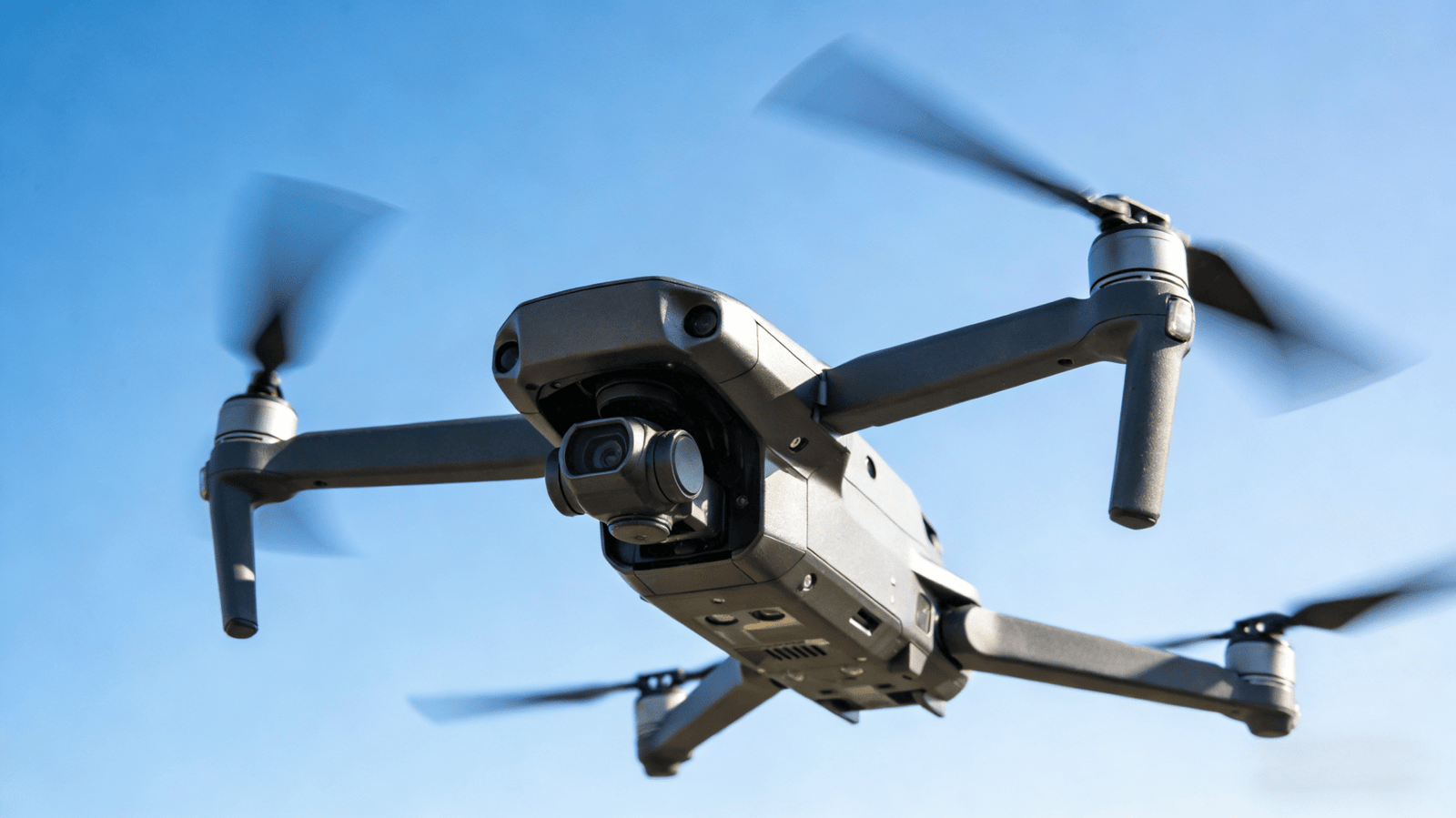
LiPo vs Li-ion vs LiFePO₄ — Quick Comparison
| Feature | LiPo | Li-ion | LiFePO₄ |
|---|---|---|---|
| Energy density (Wh/kg) | High (~150–250 Wh/kg) | Medium-High (~150–200 Wh/kg) | Lower (~90–160 Wh/kg) |
| Typical cycle life | 200–500 cycles | 500–1,000 cycles | 2,000–8,000 cycles |
| Weight | Very light | Light to medium | Heavier |
| Safety level | Moderate (needs careful handling) | Good | Excellent |
| Discharge rate | Very high (up to 100C+) | Medium-high | Medium |
| Best use case | Consumer, racing, camera drones | Larger, endurance platforms | Industrial UAVs, ground support power |
| Cost | Low to medium | Medium | Medium to high |
Which Type Should You Choose?
For most hobbyists and camera drone users, LiPo is the go-to choice because it is light and powerful. For industrial or commercial operators who need long life and safety above all else, LiFePO₄ is the smarter investment. Li-ion sits comfortably in the middle, offering a good balance for larger platforms.
Key Specs You Must Know Before Buying a Drone Lithium Battery
Shopping for a drone lithium battery can feel overwhelming at first. However, if you understand just four key specifications, you will be able to make a confident, informed decision every time.
1. Capacity (mAh / Ah)
Capacity measures how much energy the battery stores. A higher number generally means a longer flight. However, a bigger pack also weighs more. Therefore, you must balance capacity against weight.
- Mini drones typically use 200–500 mAh packs.
- Consumer and camera drones often use 4,000–6,000 mAh packs.
- Professional and industrial drones may use 10,000 mAh or higher.
2. Voltage (V) — Cell Count (S)
Voltage is determined by how many cells are connected in series. More cells mean higher voltage and more power for the motors.
- 2S (7.4 V): Small and mini drones
- 3S (11.1 V): Most consumer and camera drones
- 4S and above (14.8 V+): Racing, heavy-lift, and industrial drones
- Up to 18S (66.6 V): Large professional drone platforms
3. Discharge Rate (C-Rating)
The C-rating tells you how fast the battery can safely deliver power. A higher C-rating means the battery can supply more current at once without overheating or degrading.
- 20–25C: Suitable for mini and recreational drones
- 25–30C: Recommended for camera and photography drones
- 30C and above: Required for racing and heavy-lift drones
4. Flight Time
Flight time is the real-world result of combining all the specs above — plus the drone’s weight, speed, and flying conditions.
| Drone Type | Battery Capacity | Voltage Example | C-Rating Example | Typical Flight Time |
|---|---|---|---|---|
| Mini drone | 200–500 mAh | 2S (7.4 V) | 20–25C | 5–10 minutes |
| Consumer / camera drone | 4,000–6,000 mAh | 3S (11.1 V) | 25–30C | 20–30 minutes |
| Professional / industrial drone | 10,000+ mAh | 4S+ (14.8 V and up) | 25C+ | 40–60+ minutes |
Real-World Drone Battery Life Benchmarks
Spec sheets give you ideal numbers. However, real-world performance can vary depending on wind, temperature, payload, and flying style. Here is what you can realistically expect from a drone lithium battery in the field.
- Most consumer drones: Around 15–30 minutes of flight per charge under good conditions. This covers the majority of recreational and entry-level commercial drones.
- High-end consumer drones: Flagship camera models from top brands can reach around 40 minutes of flight time per pack.
- Professional and industrial drones: With larger or multiple lithium packs, these platforms can exceed 60 minutes when optimized for endurance.
Real-World Tip: Always expect 10–20% less flight time than the manufacturer’s stated maximum. Factors like cold weather, heavy payloads, and aggressive flying all reduce battery performance.
To maximize your actual flight time, use the right battery chemistry and capacity for your specific drone and mission. Additionally, keep your battery well maintained — which we cover in detail in the safety section below.
How to Choose the Right Drone Lithium Battery
Finding the best drone lithium battery for your needs does not have to be complicated. Just follow these clear steps to match the battery to your drone and mission.
Step 1 — Match Voltage to Your Drone’s ESC and Motors
Start here first. Using the wrong voltage can damage your motors and speed controllers. Always check your drone’s manual for the recommended cell count (S rating). For example, a mini racing drone typically needs 2S or 3S, while a heavy-lift agricultural drone may need 6S or higher.
Step 2 — Balance Capacity Against Weight
More mAh gives you more theoretical flight time, but it also adds weight. In fact, a too-heavy battery can actually reduce flight time because the motors must work harder to lift it. For most consumer camera drones, the sweet spot is in the 4,000–6,000 mAh range. For professional platforms, you may need 10,000 mAh or above. Always check that your chosen pack stays within the drone’s maximum take-off weight.
Step 3 — Select the Right C-Rating
Under-rated discharge is a common and costly mistake. A battery with too low a C-rating will overheat, sag in voltage, and fail early. Racing and heavy-lift drones demand high discharge rates. Photography drones are more forgiving. As a starting point, multiply your drone’s maximum current draw (in Amps) by the battery capacity (in Ah) to find the minimum C-rating you need.
Step 4 — Choose the Right Chemistry for Your Use Case
- Casual hobby flying: LiPo — light, affordable, widely available.
- Commercial photography: LiPo or Li-ion — good balance of weight and cycle life.
- Industrial or long-term deployment: LiFePO₄ — the safest, longest-lasting option.
Step 5 — Consider Custom Solutions for Demanding Applications
Off-the-shelf batteries work fine for standard drones. However, if you operate in extreme temperatures, need a very specific form factor, or require special certifications for commercial use, a custom drone battery is a smarter choice. Custom packs let you define the exact voltage, capacity, BMS (Battery Management System), and connector to match your platform perfectly.
For more background on how lithium battery technology works and what to look for in a quality pack, explore our detailed resource: Lithium Battery: The Complete Guide for 2025 and Beyond.
Drone Lithium Battery Safety and Maintenance Best Practices
A drone lithium battery is safe when you treat it correctly. However, mishandling can lead to overheating, swelling, or even fire. Therefore, following these best practices is not just good advice — it is essential.
Charging Safety
- Always use a dedicated lithium charger. Generic chargers may not respect proper voltage cutoffs, which can damage the cells or cause overcharging.
- Never leave batteries unattended while charging. LiPo packs in particular can ignite if something goes wrong during the charge cycle.
- Use a fireproof LiPo charging bag for an extra layer of protection, especially with larger packs.
- Follow the manufacturer’s recommended charge rate. Charging too fast generates excess heat and degrades cells faster.
Storage Best Practices
- Store at 40–60% state of charge when you will not use the battery for more than a few days. Most quality chargers have a dedicated “storage mode” for this purpose.
- Keep batteries in a cool, dry place. Heat is the number one enemy of lithium cells. Avoid leaving packs in a hot car or in direct sunlight.
- Never store fully discharged for extended periods. A deeply discharged LiPo can become permanently damaged and potentially dangerous.
Inspection and Disposal
- Inspect before every flight. Look for any swelling (puffing), punctures, cracks, or abnormal heat. A swollen battery must be retired immediately.
- Never fly with a damaged pack. A compromised battery can fail mid-flight, causing a crash and a potential fire.
- Dispose of old batteries properly. Take them to a certified battery recycling facility. Never throw lithium batteries in regular household waste.
Safety Reminder: Damaged drone lithium battery packs should be retired immediately and disposed of according to local regulations. Skipping this step puts people and property at risk.
Future Trends in Drone Battery Technology
The drone lithium battery of tomorrow will be lighter, more powerful, and longer-lasting than anything available today. Here are the most exciting developments shaping the future of drone power.
Lithium-Sulfur Batteries
Lithium-sulfur (Li-S) technology promises energy densities significantly higher than current LiPo or Li-ion cells. Because sulfur is also very lightweight, these batteries could dramatically extend drone flight times without adding weight. Manufacturers are actively researching this chemistry to move it beyond the lab and into real products.
Lithium-Metal and Solid-State Batteries
Solid-state batteries replace the liquid electrolyte in traditional lithium cells with a solid material. This change makes them safer (no flammable liquid), more energy-dense, and longer-lasting. While solid-state technology is not yet widely available for drones, it is one of the most closely watched developments in the entire battery industry. LongKun Battery Group is actively investing in solid-state battery research as part of our commitment to clean energy leadership.
LiFePO₄ for Supporting Systems
Even as LiPo and Li-ion dominate airborne drone packs, LiFePO₄ is gaining ground in ground support roles — such as drone charging stations, unmanned surface vehicles (USVs), and fixed base power systems. Its exceptional cycle life and safety make it ideal for any application where the battery must run reliably for years with minimal maintenance.
Hydrogen Fuel Cells and Hybrid Systems
Hydrogen fuel cells offer the possibility of dramatically longer flights — potentially several hours — by generating electricity from hydrogen gas rather than storing it in cells. However, hydrogen systems are still expensive and mechanically complex. Additionally, refueling infrastructure is limited. Therefore, while promising, hydrogen remains a niche technology for ultra-long-endurance missions for now.
Looking Ahead: The next decade will bring lithium-sulfur and solid-state batteries closer to commercial reality. These advances will push drone endurance into new territory and open up applications that simply are not possible today.
For further reading on battery technology trends, the U.S. Department of Energy’s Battery R&D page provides excellent insight into where the science is heading. Additionally, the National Renewable Energy Laboratory (NREL) publishes ongoing research on advanced energy storage systems relevant to UAVs and drones.
Why Choose LongKun Battery Group for Custom Drone Lithium Batteries?
When your drone application demands more than an off-the-shelf solution, you need a manufacturer with real engineering depth. LongKun Battery Group has been building custom lithium battery packs since 2009, and we bring that experience directly to the UAV and drone industry.
Our Core Strengths for Drone Battery Customization
- One-stop custom service: We handle everything from battery structure design and cell selection to BMS customization, pack assembly, and charger development. You get a complete, tested solution — not just loose components.
- Tier 1 cells and advanced BMS: We use cells from top-tier brands combined with smart Battery Management Systems that protect against overcharge, over-discharge, short circuit, and thermal runaway.
- Industry 4.0 manufacturing: Our Shenzhen factory runs five fully automated production lines with strict quality controls at every stage.
- Experienced engineering team: Our team of 50+ engineers includes veterans from BYD and CATL — two of the world’s leading battery manufacturers. We have hands-on expertise in high voltage, high/low temperature, and explosion-proof battery solutions.
- Proven scale: Over 1,000 skilled employees, 50+ million units of annual output, and 1,500+ satisfied clients across Europe, the USA, Australia, Japan, and more.
- Full certification coverage: Our products carry UN38.3, MSDS, IEC, CE, UKCA, RoHS, and UL certifications, ensuring compliance with international regulations for air transport and commercial deployment.
Aerospace and UAV Case Study
One of our most demanding projects was a battery pack developed for an aerospace company’s satellite systems. Our engineering team designed a pack that could withstand extreme temperatures and radiation exposure — conditions far harsher than most drone applications. This project demonstrates our capability to deliver reliable lithium battery solutions even in the most unforgiving environments.
Example Drone-Ready Battery Specification
| Specification | Value |
|---|---|
| Chemistry | LiFePO₄ |
| Nominal voltage | 25.2 V |
| Capacity | 100 Ah |
| Cycle life | Up to 8,000 cycles |
| Max continuous discharge | 100 A |
| Operating temperature | −20°C to 60°C |
| BMS | Smart BMS with full protection suite |
| Certifications | CE, UN38.3, RoHS, UL (available) |
| Customization | Voltage, capacity, BMS, connector, form factor |
This specification is just one example. Every LongKun drone battery pack is fully customizable to match your exact platform requirements — whether you operate consumer UAVs, agricultural sprayers, inspection drones, or unmanned surface vehicles.
Frequently Asked Questions About Drone Lithium Batteries
Here are the most common questions people ask about drone lithium batteries, with clear and straightforward answers.
Conclusion: Power Your Drone With Confidence
Choosing the right drone lithium battery is one of the smartest investments you can make as a drone operator, developer, or manufacturer. As we covered in this guide, the right battery chemistry, voltage, capacity, and C-rating all work together to determine how long you fly, how safely you operate, and how long your investment lasts.
Here is a quick recap of the most important points:
- About 95% of drones today rely on lithium batteries — mainly LiPo and Li-ion — for good reason.
- The global drone battery market is growing at roughly 17.65% annually and will reach ~$45.64 billion by 2035.
- LiPo is the best all-round choice for most consumer drones, while LiFePO₄ wins on safety and lifespan for industrial use.
- Match your voltage to your motors, balance capacity against weight, and always choose the right C-rating for your application.
- Safe handling — proper charging, correct storage, and regular inspection — dramatically extends battery life and keeps you safe.
- The future of drone batteries is bright, with lithium-sulfur, solid-state, and hybrid technologies on the horizon.
At LongKun Battery Group, we have been building custom lithium battery solutions since 2009. From lightweight LiPo packs for consumer UAVs to high-cycle LiFePO₄ systems for industrial platforms, we engineer every battery to your exact specifications. Our team of 50+ experienced engineers — including veterans from BYD and CATL — is ready to help you design the perfect power solution for your drone.
Ready to power your drone project with a battery built exactly for your needs?
→ Explore our lithium battery solutions at clkbattery.com and get in touch with our engineering team today. Tell us your drone’s requirements — voltage, capacity, operating environment, and certifications needed — and we will deliver a custom solution that keeps you flying longer, safer, and smarter.
📩 Contact LongKun Battery Group Today
Get a free consultation and custom quote from our engineering team. We respond quickly and support you from your first inquiry all the way through to after-sales service.