📊 Key Takeaways: Home Battery Storage in 2026
| Stat | Value | What It Means |
|---|---|---|
| U.S. residential battery attachment rate (H1 2024) | 34% | More homeowners are adding batteries to solar systems. |
| California battery attachment rate (H1 2024) | 70% | Policy incentives are driving major demand. |
| Average quoted storage price (H1 2024) | $1,133/kWh | A record low — batteries are getting more affordable. |
| U.S. residential storage market size (2024) | 1,250+ MW | The market is growing fast and shows no signs of slowing. |
| Residential storage growth vs. 2023 | 57% higher | Demand surged significantly in just one year. |
| Global residential battery market size (2025) | $6.85 billion | Projected to grow to $8.73B in 2026. |
| Best battery chemistry for home storage | LFP (LiFePO4) | Safest, longest-lasting option for most homeowners. |
Bottom line: Home battery storage is no longer a luxury. It is quickly becoming a smart and affordable way to protect your home, cut electricity bills, and use more clean energy. LongKun Battery Group (clkbattery.com) offers factory-direct, fully certified LFP battery storage solutions — with UN38.3, CE, UL, RoHS, IEC, UKCA, and MSDS certifications — designed for homes and businesses worldwide.
Power outages are becoming more common. Electricity prices keep rising. And more people are adding solar panels to their homes. Therefore, it is no surprise that home battery storage systems are now one of the fastest-growing home energy products in the world.
However, with so many options on the market, picking the right one can feel confusing. In addition, not all batteries are created equal. Some last longer. Some are safer. Some cost more upfront but save you more money over time.
That is why we put together this complete guide. By the end, you will know exactly what to look for, what each battery type does, and how to choose the best home battery storage system for your needs. Furthermore, if you are a business or installer looking for a reliable, factory-direct supply partner, we will explain why LongKun Battery Group should be at the top of your list.
“The best home battery is not always the most expensive one. Instead, it is the one that fits your home’s energy needs, lasts the longest, and comes from a manufacturer you can trust.”
What Is a Home Battery Storage System?
A home battery storage system is a device that stores electricity for later use. Think of it like a giant rechargeable battery for your house.
It can store energy from two main sources:
- Solar panels — excess electricity your panels produce during the day
- The power grid — energy charged during off-peak, lower-cost hours
Then, when you need power — at night, during a blackout, or during peak-price hours — the battery discharges and powers your home.
In short, a home battery storage system gives you more control over your energy. It reduces your dependence on the grid. Moreover, it helps you use more of your own clean solar energy instead of buying it from a utility company.
For a deeper look at how different battery chemistries compare, check out our guide on sodium-ion vs. lithium-ion batteries.
How Do Home Battery Storage Systems Work?
The process is simpler than it sounds. Here is a step-by-step breakdown:
- Charging: The battery fills up with electricity — from solar panels, the grid, or both.
- Storing: The battery holds that energy safely until your home needs it.
- Discharging: When your home needs power — at night or during an outage — the battery releases its stored energy.
- Managing: A Battery Management System (BMS) monitors the battery at all times. It protects against overcharging, overheating, and short circuits.
In a solar-plus-battery setup, the system usually works automatically. For example, your panels generate power during the day. Next, excess energy goes into the battery instead of being sent back to the grid. Then, at night, your battery powers your home. As a result, you buy less electricity from the utility company.
During a power outage, many systems switch to backup mode within milliseconds. Therefore, your lights, fridge, and other essentials stay on — even when the grid goes down.
Best Home Battery Storage Systems in 2026
The “best” system truly depends on your goals. However, there are some key factors that separate good batteries from great ones. Below is a quick overview of the top categories of home battery storage systems available in 2026.
| Battery Type | Chemistry | Typical Capacity | Cycle Life | Best For |
|---|---|---|---|---|
| Stackable Home Battery | LFP | 5–20+ kWh | 4,000–8,000+ | Scalable whole-home backup |
| All-in-One Hybrid System | LFP / NMC | 5–15 kWh | 3,000–6,000 | Solar self-consumption |
| Modular Wall Battery | LFP | 5–10 kWh | 3,500–6,000 | Space-saving installations |
| High-Capacity Storage System | LFP | 10–30+ kWh | 6,000–10,000+ | Whole-home + EV charging |
LFP (Lithium Iron Phosphate) chemistry dominates in 2026 for good reason. It is safer, longer-lasting, and more stable than older lithium-ion chemistries. Furthermore, prices have dropped significantly, making LFP the go-to choice for most homeowners and installers.
LongKun Battery Group specializes in high-quality LFP-based home battery systems. In addition, our systems come with full international certifications including UL, CE, IEC, RoHS, UN38.3, UKCA, and MSDS — ensuring compliance for markets across the US, Europe, Australia, and beyond. Explore our lithium home battery solutions here.
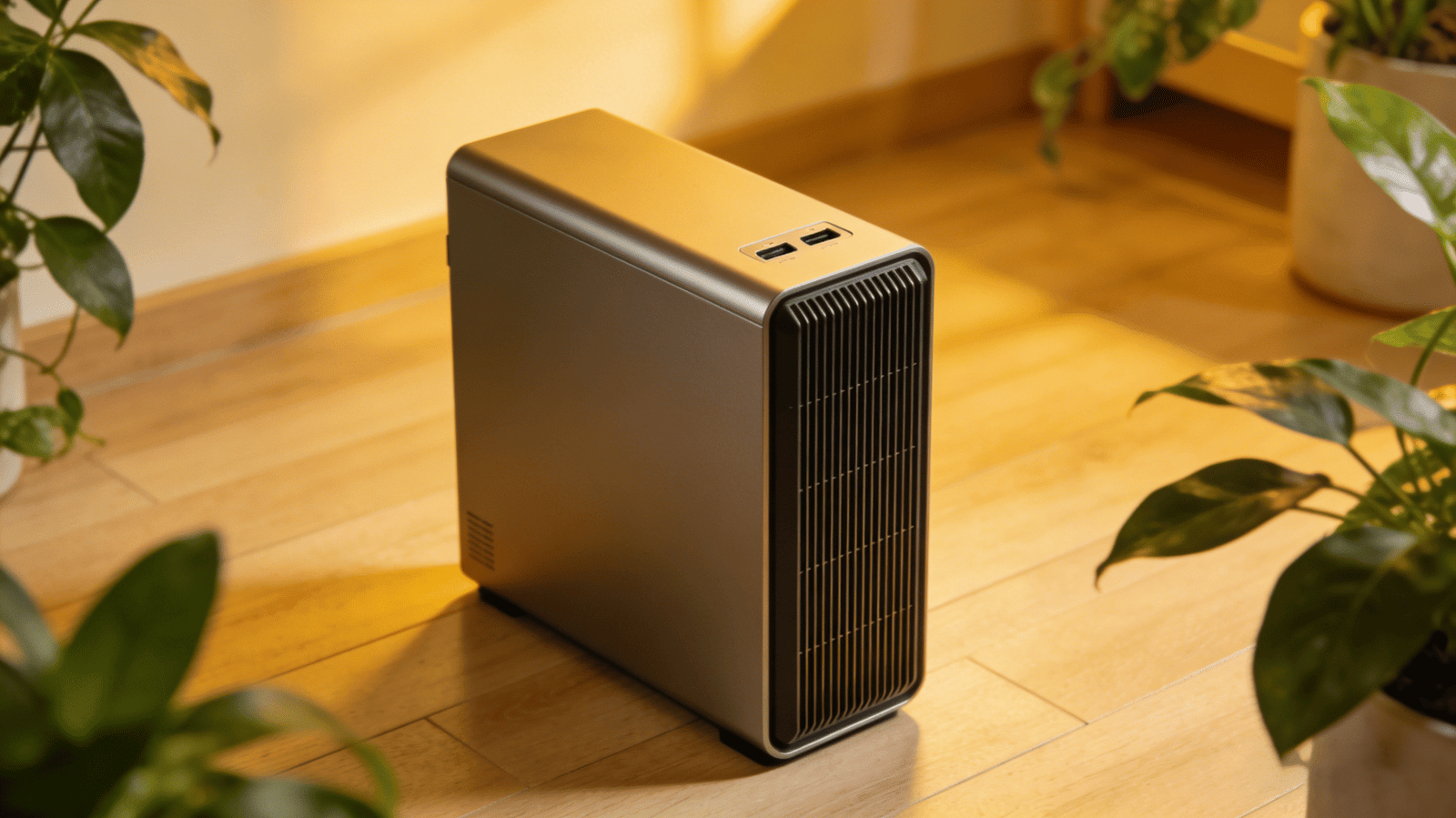
Home Battery Storage System Comparison by Capacity, Warranty, and Chemistry
Before buying any system, it helps to understand the key specs. Therefore, here is a simple breakdown of what each specification actually means for a homeowner.
| Spec | What It Means | What to Look For |
|---|---|---|
| Usable Capacity (kWh) | How much energy the battery can actually deliver | At least 10 kWh for whole-home backup |
| Power Output (kW) | How many appliances the battery can run at once | 5 kW+ for HVAC + fridge + lights |
| Cycle Life | How many times the battery can charge and discharge | 4,000+ cycles (LFP preferred) |
| Warranty | Manufacturer’s guarantee on performance | 10 years / 4,000 cycles minimum |
| Round-Trip Efficiency | How much stored energy you actually get back | 90%+ is considered excellent |
| Chemistry | The type of battery cell used | LFP for safety and longevity; NMC for compact size |
LFP batteries are widely rated for around 3,000 to 8,000 cycles at 80% capacity retention. Furthermore, some premium LFP systems exceed 10,000 partial cycles. LongKun’s systems use Tier 1 brand LFP cells paired with a smart BMS to achieve top-end performance in every unit we produce.
What Battery Chemistry Is Best for Home Storage?
This is one of the most common questions homeowners ask. The answer, for most people, is LFP (Lithium Iron Phosphate).
LFP vs. NMC: A Simple Comparison
| Feature | LFP (LiFePO4) | NMC (Lithium-Ion) |
|---|---|---|
| Safety | ✅ Very high — stable chemistry | ⚠️ Moderate — needs careful thermal management |
| Cycle Life | ✅ 4,000–10,000+ cycles | ⚠️ 1,500–3,000 cycles |
| Energy Density | ⚠️ Slightly lower — takes more space | ✅ Higher — more compact |
| Temperature Tolerance | ✅ Better in heat and cold | ⚠️ More sensitive to extremes |
| Cost Per Cycle | ✅ Lower long-term cost | ⚠️ Higher replacement cost over time |
| Best Use Case | Home storage, solar backup | EVs, portable devices, compact applications |
For home use, LFP wins in almost every category that matters most — safety, lifespan, and long-term value. However, if compact size is the top priority, NMC may still have a role to play.
Want to understand how battery chemistry options are evolving? Read our in-depth article: Sodium-Ion vs. Lithium-Ion Battery — Which One Is Right for You?
At LongKun Battery Group, all of our home storage batteries use Tier 1 LFP cells. Furthermore, our engineering team — including veterans from BYD and CATL — designs each battery pack to maximize safety, cycle life, and performance in real-world conditions.
What Size Home Battery Do I Need?
Battery size is one of the most practical decisions you will make. Fortunately, it does not have to be complicated.
Simple Sizing Formula
Battery Size Needed (kWh) = Daily Essential Load (kW) × Hours of Backup Needed
For example, if your essential appliances use 3 kW of power and you want 4 hours of backup, you need at least 12 kWh of usable capacity.
Quick Reference by Home Type
- Small apartment or partial backup: 5–7 kWh — covers lights, fridge, phone charging, and Wi-Fi
- Average 3-bedroom home (partial backup): 10–13 kWh — covers essential appliances for 8–12 hours
- Large home or whole-home backup: 15–30 kWh — covers HVAC, kitchen, and all major appliances
- Home + EV charging: 20–40 kWh — supports vehicle charging alongside full home backup
In addition, if you have solar panels, your battery size should match your daily solar generation. That way, you can store all of your daytime energy and use it at night.
Pro tip: Always choose slightly more capacity than you think you need. As a result, your battery will not run out during longer outages, and it will experience less depth-of-discharge — which extends its lifespan significantly.
How Much Does a Home Battery Storage System Cost?
Cost is usually the first question homeowners ask. Therefore, let’s break it down clearly.
Average Installed Costs in 2026
- Battery hardware only: $500–$1,200 per kWh (depending on brand and chemistry)
- Quoted storage price benchmark: $1,133 per kWh stored (EnergySage H1 2024 — a record low)
- Complete installed system (5–10 kWh): $8,000–$15,000 including labor and inverter
- Complete installed system (10–20 kWh): $15,000–$30,000 for larger whole-home setups
What Affects the Total Cost?
- Battery capacity (kWh) — bigger batteries cost more
- Brand and chemistry — LFP systems may cost slightly more upfront but last far longer
- Inverter type — hybrid inverters cost more than basic AC-coupled units
- Labor and permitting — varies by location and installer
- Whether you use factory-direct pricing or retail pricing
💡 Factory-Direct Advantage: LongKun Battery Group supplies batteries directly from our factory in Shenzhen — with no middleman markups. As a result, our clients in the US, Europe, and Australia enjoy significantly lower procurement costs compared to retail battery brands. Request a factory-direct quote here.
Federal Tax Credits and Incentives
In the US, the Inflation Reduction Act offers a 30% federal tax credit for home battery storage systems installed with solar. This can reduce your total system cost significantly. Many states also offer additional rebates on top of the federal credit.
For reference on eligible systems and standards, visit the U.S. Department of Energy’s guide on solar tax credits.
How Long Do Home Batteries Last?
Battery lifespan depends heavily on two things: chemistry and how well the system is installed and managed.
Expected Lifespan by Chemistry
- LFP batteries: 10–20 years / 4,000–8,000+ cycles at 80% capacity retention
- NMC batteries: 8–12 years / 1,500–3,000 cycles
- Lead-acid batteries: 3–7 years / 300–700 cycles (not recommended for home solar storage)
What Shortens Battery Life?
- 🌡️ High heat — storing a battery in a hot garage speeds up degradation
- ⬇️ Deep discharge — regularly draining below 10–20% capacity reduces cycle life
- ⚡ Poor installation — incorrect wiring or lack of BMS can damage cells permanently
- 🔋 Low-quality cells — cheap cells degrade faster, no matter the brand name on the box
LongKun batteries use only Tier 1 brand cells combined with a smart Battery Management System (BMS). This combination protects every cell from overcharge, over-discharge, and overheating. As a result, our batteries consistently achieve their rated cycle life — and often exceed it. Furthermore, our professional after-sales support team helps installers maintain proper operating conditions, which directly extends battery lifespan in the field.
Are Home Battery Storage Systems Safe?
Yes — when built correctly and installed properly, home battery storage systems are very safe. However, not all batteries meet the same safety standards. Therefore, certifications matter enormously.
Key Safety Certifications to Look For
- UL 9540 — Tests the complete energy storage system as a unit. This is one of the most important certifications for residential batteries in North America. Learn more at UL’s official resource page.
- UL 9540A — Evaluates the risk of fire spreading from one battery cell to another (thermal runaway propagation)
- IEC 62619 — International safety standard for stationary battery energy storage systems. See the standard at IEC.ch.
- CE marking — Required for sale in Europe; confirms the battery meets EU safety directives
- UKCA — Required for the UK market
- UN38.3 — International transport safety certification for lithium batteries
- RoHS — Confirms the battery is free from hazardous materials
⚠️ Warning: Always verify that the full system — not just the cells — is certified. Some manufacturers certify only the cell chemistry. However, the safest systems carry system-level certifications like UL 9540.
LongKun Battery Group holds all major international safety certifications — including UN38.3, MSDS, IEC, CE, UKCA, RoHS, and UL. Our batteries have also passed audits from globally recognized brands. Therefore, whether you are selling into the US, UK, EU, or Australian market, our products are ready to comply.
Can a Home Battery Work Without Solar Panels?
Yes, absolutely. A home battery does not require solar panels to work. Instead, it can charge directly from the power grid.
How It Works Without Solar
- The battery charges from the grid — usually overnight when electricity rates are lower
- During peak-price hours, the battery discharges and powers your home
- As a result, you pay less per kWh because you are using stored cheap electricity
- During a power outage, the battery automatically switches to backup mode
This strategy is called time-of-use (TOU) arbitrage. It works well in regions where electricity rates vary significantly by time of day.
However, pairing a battery with solar panels usually improves the long-term economics. In addition, it allows the battery to operate even when the grid is completely down. Furthermore, combining solar and storage gives you the maximum energy independence possible.
Best Home Batteries for Whole-Home Backup
Whole-home backup means your entire house keeps running during a grid outage — including your HVAC, refrigerator, washer, and other high-power appliances.
What You Need for Whole-Home Backup
- High usable capacity: At least 15–20 kWh for a typical home
- Strong continuous power output: 7.6 kW or more to handle HVAC and large appliances simultaneously
- High peak power rating: Many motors (like AC compressors) draw 2–3× their running wattage on startup
- Fast automatic transfer: The system should switch to backup power in under 20 milliseconds
- Modular design: Allows you to add capacity over time as your needs grow
Important note: A large battery with an insufficient inverter output may still fail to run heavy appliances. Therefore, always check both the storage capacity (kWh) and the power output (kW) before purchasing.
LongKun’s high-capacity LFP systems are designed with whole-home backup in mind. Moreover, our modular architecture lets homeowners start with a smaller system and scale up — without replacing any existing components.
Best Home Batteries for Solar Self-Consumption
If your main goal is to use more of your own solar energy — rather than exporting it back to the grid for a low credit — then solar self-consumption is your priority.
What to Prioritize for Solar Self-Consumption
- High round-trip efficiency: 90%+ means you get back most of the solar energy you store
- Smart energy management: The system should automatically decide when to store, use, or export
- Right-sized capacity: Match the battery to your daily solar generation
- Low self-discharge rate: The battery should hold its charge overnight without significant losses
Solar self-consumption systems are especially useful where feed-in tariffs are low. Instead of selling solar power for a few cents per kWh, you store it and use it at full retail value — often 3–5× more valuable.
LongKun’s home battery solutions pair seamlessly with hybrid inverters and solar systems. In addition, our smart BMS software optimizes charge and discharge cycles to maximize the solar energy you actually use every day.
For more details on our complete lithium home battery lineup, visit: LongKun Lithium Home Battery Systems.
What to Look for in a Home Battery Brand
Choosing the right brand is just as important as choosing the right battery size or chemistry. Therefore, here is a practical checklist to evaluate any manufacturer.
✅ Home Battery Brand Evaluation Checklist
- Safety certifications: Does the system carry UL 9540, IEC, CE, and RoHS? Are these system-level certifications?
- Battery chemistry: Is LFP used for residential systems? Is it clearly stated in the product specs?
- Warranty terms: Look for at least 10 years or 4,000 cycles at 70–80% retained capacity
- Cycle life rating: LFP systems should offer 4,000+ cycles minimum
- Installer network: Does the brand support certified local installers in your region?
- After-sales support: Is there a real engineering team for technical questions after purchase?
- Scalability: Can the system be expanded with additional modules over time?
- Manufacturing standards: Does the factory operate to Industry 4.0 standards?
Why LongKun checks every box: Our factory runs 5 fully automated Industry 4.0 production lines. We employ over 50 experienced engineers — some from BYD and CATL. Furthermore, our batteries carry UN38.3, MSDS, IEC, CE, UKCA, RoHS, and UL certifications. We have served more than 1,500 satisfied clients across the US, Europe, Australia, and Japan. Our fast lead times and factory-direct competitive pricing make us a preferred partner for installers, distributors, and commercial buyers worldwide.
Installation, Warranty, and Certification Checklist
Before you sign off on any home battery installation, use this checklist to make sure everything is in order.
📋 Pre-Installation Checklist
- ☐ Battery system carries UL 9540 certification (complete system, not just cells)
- ☐ Manufacturer provides IEC 62619 compliance documentation
- ☐ System meets local fire code — verify with your installer or local authority
- ☐ Installer is licensed and certified for energy storage in your region
- ☐ Correct electrical panel capacity for the battery’s power output
- ☐ Battery location meets ventilation and temperature requirements
- ☐ System is compatible with your existing solar inverter (if applicable)
- ☐ Permit applications are filed with local utility and building department
📋 Warranty Checklist
- ☐ Warranty covers at least 10 years or 4,000 cycles
- ☐ Warranty guarantees minimum 70–80% capacity retention at end of warranty period
- ☐ Warranty is backed by the manufacturer — not just the installer
- ☐ Manufacturer has a clear process for warranty claims and replacements
- ☐ After-sales technical support is available throughout the warranty period
For international buyers, LongKun Battery Group provides full documentation packages including CE, UL, UKCA, RoHS, UN38.3, IEC, and MSDS certifications. As a result, our clients can clear customs smoothly in any target market. In addition, our dedicated after-sales engineering team provides long-term technical support to ensure reliable performance in the field.
For more on international battery standards, visit the International Electrotechnical Commission (IEC) official website.
Are Home Battery Storage Systems Worth It?
For most homeowners, the answer is yes — especially in 2026. Here is why.
The Case FOR Home Battery Storage
- ✅ Energy independence: Reduce your reliance on the grid and protect against rising rates
- ✅ Outage protection: Keep essential loads running during blackouts
- ✅ Solar optimization: Increase solar self-consumption from ~30% to 80%+
- ✅ Bill savings: Use TOU arbitrage to avoid expensive peak electricity rates
- ✅ Rising adoption proves value: U.S. residential storage grew 57% year-over-year in 2024
- ✅ Falling prices: Quoted storage costs reached a record low of $1,133/kWh in H1 2024
- ✅ Tax credits available: 30% federal ITC in the US can reduce upfront costs significantly
When a Battery May Not Be Worth It Yet
- ⚠️ If your electricity rates are very low and stable, payback periods may be longer
- ⚠️ If you do not have solar and live in a region without TOU pricing
- ⚠️ If the upfront cost is a major barrier and no financing options are available
Overall, market data confirms the trend. The global residential battery market is projected to grow from $6.85 billion in 2025 to $8.73 billion in 2026. Therefore, more homeowners every year are concluding that the financial and practical benefits outweigh the upfront cost.
FAQs About Home Battery Storage Systems
What is the best home battery storage system?
There is no single best system for everyone. However, the best choice for most homeowners combines LFP chemistry, 10+ kWh usable capacity, UL 9540 certification, and a warranty of at least 10 years. The right system also depends on whether you prioritize whole-home backup, solar self-consumption, or budget efficiency.
How long do home battery storage systems last?
High-quality LFP batteries typically last 10–20 years and 4,000–8,000+ cycles. Lifespan is strongly affected by installation quality, operating temperature, and depth of discharge. Therefore, using a smart BMS and proper installation conditions is critical to reaching rated cycle life.
How much home battery storage do I need?
Start by estimating your essential daily electricity load. Then multiply it by the number of backup hours you want. Most homes need 10–15 kWh for overnight backup of essential loads, and 15–30 kWh for full whole-home backup including HVAC.
Are home battery storage systems worth it?
Yes, for most homeowners — especially when paired with solar. U.S. residential storage grew 57% year-over-year in 2024, confirming that more households are finding real financial and practical value. Tax credits and falling battery prices have also made the economics much more favorable.
Can I use a home battery without solar panels?
Yes. A battery can charge from the grid during off-peak hours and discharge during peak-price periods or outages. However, adding solar improves the long-term return significantly. In addition, solar enables the battery to function even during a full grid outage.
What is the safest home battery type?
LFP (Lithium Iron Phosphate) is widely regarded as the safest lithium battery chemistry for home storage. It has a more stable chemical structure than NMC, a lower risk of thermal runaway, and a much longer cycle life. Furthermore, when paired with a certified smart BMS and a UL 9540-listed system, LFP offers an excellent safety profile for residential use.
What certifications should a home battery have?
At minimum, look for UL 9540 (US market), IEC 62619, CE (Europe), UKCA (UK), RoHS, and UN38.3. These confirm the battery is safe for residential use, transport, and sale in major global markets.
What is the difference between lithium-ion and LFP batteries?
LFP (Lithium Iron Phosphate) is a type of lithium-ion battery — but it uses a different cathode material. Compared to standard NMC lithium-ion, LFP offers better thermal stability, longer cycle life, and improved safety. However, NMC has higher energy density, making it more common in compact applications like EVs and portable electronics.
Ready to Find the Best Home Battery Storage System for Your Needs?
Choosing the right home battery storage system is a long-term investment. Therefore, it pays to work with a manufacturer who offers not just a great product — but also the certifications, engineering expertise, and after-sales support to back it up for years to come.
LongKun Battery Group has been building advanced battery solutions since 2009. Furthermore, our factory-direct model means you get competitive pricing without middlemen, fast lead times powered by 5 Industry 4.0 production lines, and full international certifications including UN38.3, MSDS, IEC, CE, UKCA, RoHS, and UL.
In addition, our team of 50+ experienced engineers — including veterans from BYD and CATL — provides hands-on technical support from the first inquiry all the way through after-sales service. As a result, our 1,500+ satisfied clients around the world trust us as a long-term energy storage partner.
Fast quotation · Strong technical support · Reliable long-term cooperation · Factory-direct pricing · Global certifications