⚡ Key Takeaways: Sodium Ion vs Lithium Ion Batteries
| Feature | Sodium Ion Battery | Lithium Ion Battery |
|---|---|---|
| Raw Material Cost | ✅ Lower (sodium is abundant) | ❌ Higher (lithium is scarce) |
| Energy Density | ❌ Lower (~160 Wh/kg) | ✅ Higher (~250 Wh/kg) |
| Cold Weather Performance | ✅ Excellent | ⚠️ Drops significantly |
| Safety | ✅ Very safe, stable chemistry | ⚠️ Risk of thermal runaway |
| Cycle Life | ⚠️ Still improving (~2,000+) | ✅ Proven (~3,000–5,000) |
| Best For | Energy storage, cold regions, cost-sensitive use | EVs, drones, portable devices, high-power use |
| Availability | ⚠️ Growing, not yet mainstream | ✅ Widely available |
Bottom Line: Sodium ion batteries are not always better than lithium — but they are a strong, cost-effective choice for energy storage, cold climates, and applications where safety matters most. Lithium ion still leads in energy density and cycle life.
At LongKun Battery Group, we manufacture both lithium and sodium ion battery solutions with full certifications including UN38.3, CE, UL, RoHS, and more. We supply factory-direct to cut your procurement costs — and our engineering team is ready to help you pick the right chemistry for your exact needs.
Introduction: Why Everyone Is Talking About Sodium Ion Batteries
Battery technology is changing fast. Therefore, it can be hard to keep up with what is new. One of the biggest questions in 2025 is: are sodium ion batteries better than lithium?
You may have heard that sodium ion batteries are cheaper. You might also have read that lithium batteries have more power. So, which one is right for your project?
In this article, we break down both battery types clearly. We compare their strengths, weaknesses, and best uses. By the end, you will know exactly which battery is better — for your specific situation.
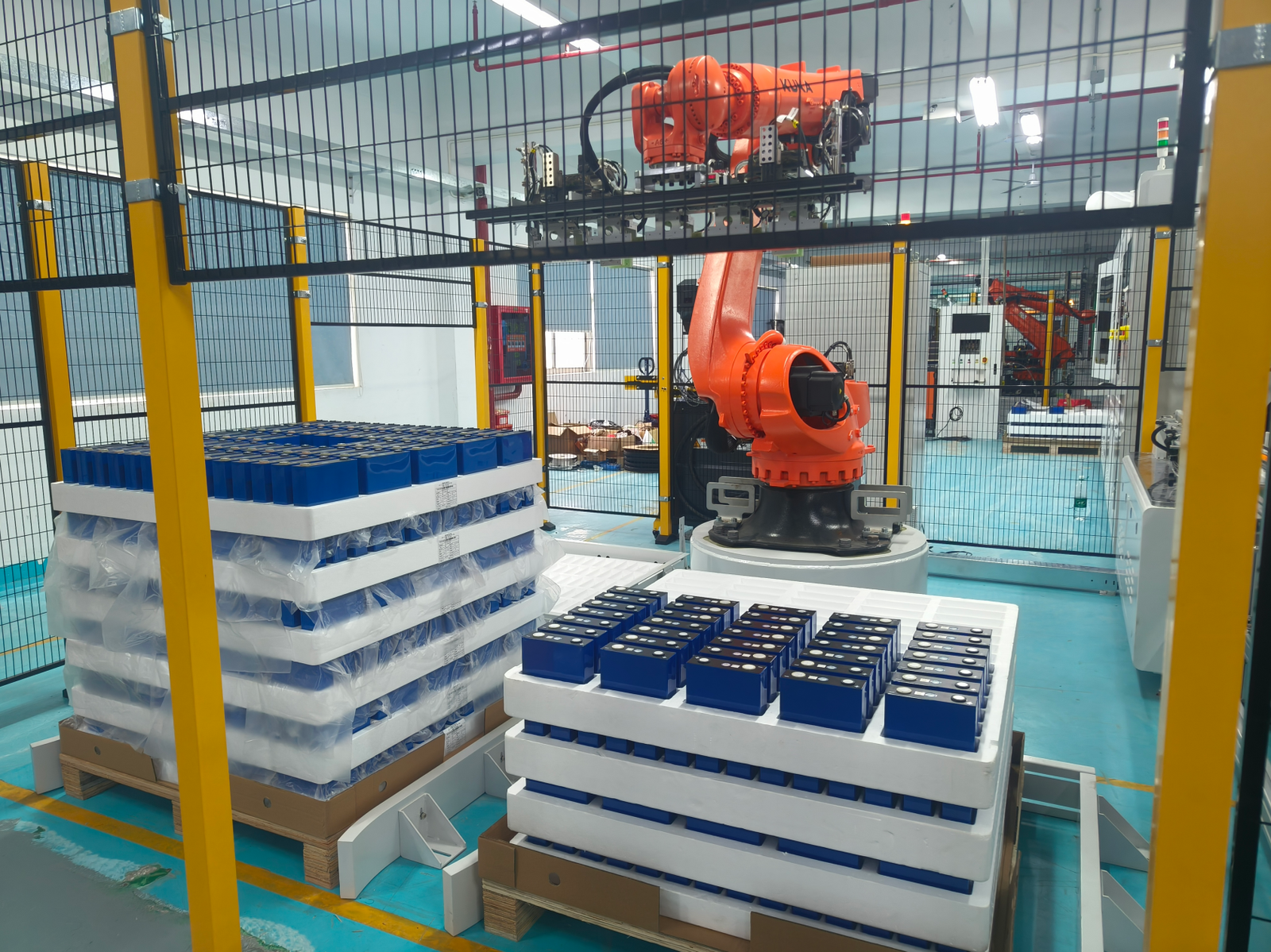
As a factory-direct manufacturer with over 15 years of experience, LongKun Battery Group has worked with clients across Europe, the USA, Australia, and Japan. We hold certifications including UN38.3, MSDS, IEC, CE, UKCA, RoHS, and UL. So, we understand both technologies deeply — and we can help you choose wisely.
What Is a Sodium Ion Battery?
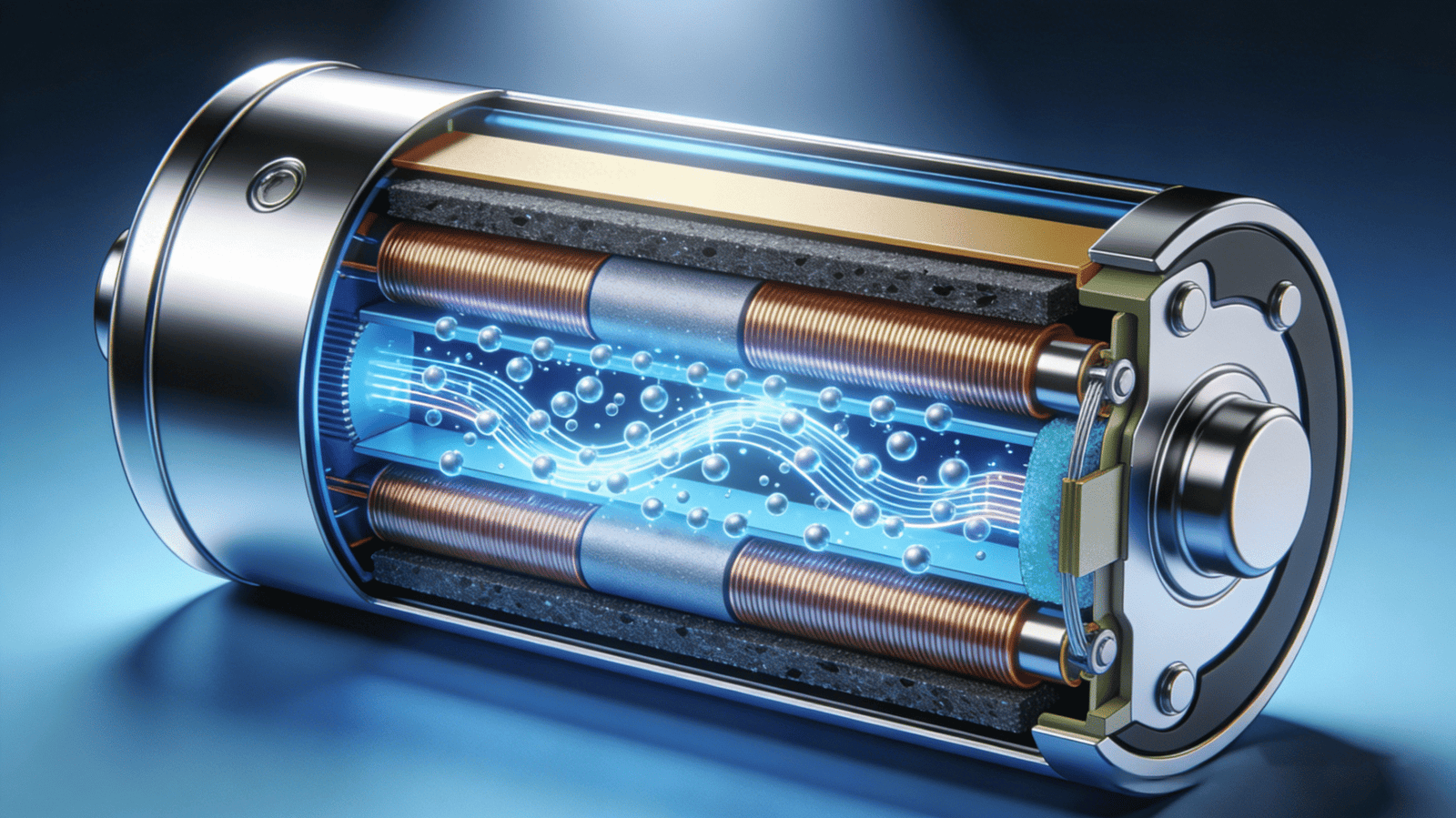
A sodium ion battery works just like a lithium ion battery — but it uses sodium instead of lithium. Sodium ions move between the positive and negative sides of the battery. This movement stores and releases energy.
Why Does This Matter?
Sodium is one of the most common elements on Earth. In fact, it is found in seawater and salt. Therefore, it is much cheaper and easier to get than lithium. This makes sodium ion batteries a very exciting option for the future.
Simple Definition: A sodium ion battery stores energy using sodium atoms. It is similar to a lithium battery, but uses a more affordable and widely available material.
According to the International Energy Agency (IEA), sodium ion batteries are one of the most promising next-generation technologies for grid energy storage.
What Is a Lithium Ion Battery?
Lithium ion batteries are the most popular rechargeable batteries in the world right now. They power your phone, your laptop, and electric vehicles. They work by moving lithium ions between two electrodes.
Why Is Lithium Ion So Popular?
- High energy density — stores a lot of power in a small space
- Long cycle life — can last thousands of charge cycles
- Proven technology — used reliably for over 30 years
- Works well for EVs, drones, and portable electronics
However, lithium is a limited resource. Additionally, mining lithium can harm the environment. Prices also go up and down, which makes supply chains harder to manage.
Standards for lithium ion batteries are set by global bodies like IEC (International Electrotechnical Commission) and UL (Underwriters Laboratories) — both of which LongKun Battery Group is fully certified under.
Sodium Ion vs Lithium Ion: Head-to-Head Comparison
Now, let’s go deeper. Here is how the two battery types compare across the most important categories.
1. Energy Density
Lithium ion wins here. It stores more energy in the same amount of space. This is why lithium is still the top choice for electric vehicles and drones.
- Lithium ion: ~200–250 Wh/kg
- Sodium ion: ~100–160 Wh/kg
However, sodium ion technology is improving fast. Therefore, this gap is getting smaller every year.
2. Cost
Sodium ion wins here. Sodium is abundant and cheap. As a result, sodium ion batteries cost less to produce. This is a big advantage for large-scale projects like solar farms.
Because LongKun Battery Group supplies factory-direct, we help customers lower procurement costs for both chemistries — no middlemen, no markup.
3. Safety
Sodium ion wins here. Sodium ion batteries are more chemically stable. Therefore, they are less likely to overheat or catch fire. This is called thermal runaway, and it is a known risk with lithium ion batteries.
“Sodium ion batteries show excellent thermal stability, making them a safer alternative for stationary energy storage applications.” — Battery industry researchers
4. Cold Weather Performance
Sodium ion wins here. Lithium batteries lose power quickly in cold temperatures. In contrast, sodium ion batteries perform much better in freezing conditions. This makes them ideal for countries with cold winters.
5. Cycle Life
Lithium ion wins here — for now. Lithium batteries can handle more charge cycles before wearing out. However, sodium ion batteries are catching up, especially for energy storage where daily cycling is common.
6. Environmental Impact
Sodium ion is greener. Mining lithium uses a lot of water and can damage ecosystems. Sodium, on the other hand, is far easier to source responsibly. At LongKun Battery Group, we follow strict international environmental standards and practice green manufacturing in all our production lines.
7. Availability and Supply Chain
Lithium ion wins here — currently. Lithium ion batteries are widely available right now. Sodium ion is still scaling up. But sodium ion supply chains are growing fast — especially in China, Europe, and the US.
When Should You Choose Sodium Ion Batteries?
Sodium ion batteries are a great fit in certain situations. Here is when you should consider them:
- ✅ Large-scale energy storage systems — lower cost per kWh matters most
- ✅ Cold climate applications — better performance in low temperatures
- ✅ Budget-sensitive projects — sodium is cheaper to produce
- ✅ Stationary storage — where weight and size are not critical
- ✅ Safety-critical environments — hospitals, data centers, base stations
For a deeper look at how sodium ion batteries are being used in energy storage, check out our detailed guide: Sodium Ion Battery for Energy Storage: Is It Really the Future Solution?
When Should You Choose Lithium Ion Batteries?
Lithium ion batteries are still the better choice in many cases. Use them when:
- ✅ Electric vehicles (EVs) — need high energy density and long range
- ✅ Drones and UAVs — weight is critical
- ✅ Medical equipment — need proven, certified reliability
- ✅ Portable electronics — compact size is essential
- ✅ Aerospace applications — high performance in extreme conditions
- ✅ Marine and AGV/AMR robots — need high power density
At LongKun Battery Group, our lithium ion battery packs come with fast lead times backed by 5 fully automated production lines. Additionally, our smart BMS (Battery Management System) solutions ensure your lithium battery operates safely and efficiently — every single time.
Are Sodium Ion Batteries Better Than Lithium for Energy Storage?
This is one of the most common questions we hear. The short answer is: it depends on your priorities.
For grid-scale and solar energy storage, sodium ion batteries offer several clear advantages:
- Lower upfront cost — saves money on large installations
- Better safety profile — reduces fire risk in residential or commercial settings
- Stable performance in cold climates — ideal for northern regions
- No reliance on scarce lithium — more stable supply chain
However, if space is limited or if you need maximum energy in a small footprint, lithium ion may still be the better choice.
Want to know how to pick the right manufacturer for your energy storage project? Read our guide: How to Choose a Reliable Energy Storage Battery Manufacturer
What Are the Current Challenges of Sodium Ion Batteries?
Sodium ion batteries are promising. However, they still face some real challenges:
- ⚠️ Lower energy density — bulkier for the same amount of power
- ⚠️ Less mature technology — fewer proven large-scale deployments
- ⚠️ Limited manufacturers — supply chain still scaling up
- ⚠️ Shorter cycle life — not yet matching lithium in longevity
That said, these challenges are being solved quickly. Major battery makers are investing billions into sodium ion R&D. According to the U.S. Department of Energy, sodium ion is one of the top battery chemistries being developed for grid storage right now.
The Future of Sodium Ion Batteries: What to Expect
The sodium ion battery market is growing very fast. Here is what experts expect in the coming years:
- 📈 Lower costs — as production scales up, prices will drop further
- 📈 Higher energy density — new materials are closing the gap with lithium
- 📈 More manufacturers — supply chains will become stronger and more reliable
- 📈 Wider adoption — especially in stationary storage and emerging markets
At LongKun Battery Group, we are actively investing in solid-state and next-generation battery technologies. Therefore, we are well-positioned to offer cutting-edge sodium ion solutions as the market grows. Our team of 50+ experienced engineers — including former BYD and CATL specialists — stays ahead of the curve so that you don’t have to.
Why Choose LongKun Battery Group for Your Battery Needs?
Whether you need sodium ion or lithium ion batteries, LongKun Battery Group delivers. Here is what makes us different:
| Our Advantage | What It Means for You |
|---|---|
| ✅ Full Certifications | UN38.3, MSDS, IEC, CE, UKCA, RoHS, UL — ready for global markets |
| ✅ Factory-Direct Pricing | No middlemen — lower procurement costs for you |
| ✅ Fast Lead Times | 5 automated production lines with Industry 4.0 standards |
| ✅ Strong After-Sales Support | 50+ engineers provide long-term technical assistance |
| ✅ Custom Solutions | Full design support from structure to BMS to charger |
| ✅ Proven Experience | 1,500+ satisfied clients since 2009 |
Frequently Asked Questions: Sodium Ion vs Lithium Ion
Are sodium ion batteries safer than lithium ion?
Yes. Sodium ion batteries are generally safer. They are more thermally stable. Therefore, they have a lower risk of overheating or catching fire compared to lithium ion batteries.
Are sodium ion batteries cheaper than lithium?
Yes, currently. Sodium is more abundant than lithium. As a result, sodium ion batteries cost less to produce — making them attractive for large energy storage projects.
Can sodium ion batteries replace lithium ion?
Not completely — at least not yet. Sodium ion is better for stationary storage and cost-sensitive applications. However, lithium ion still leads in energy density for EVs and portable electronics.
How long do sodium ion batteries last?
Sodium ion batteries can currently handle 2,000+ charge cycles. This is improving rapidly. For many energy storage uses, this lifespan is already sufficient.
Which battery is better for cold weather?
Sodium ion batteries perform much better in cold temperatures. Therefore, they are the smarter choice for cold climate regions like Northern Europe, Canada, or high-altitude areas.
What is the biggest disadvantage of sodium ion batteries?
The biggest drawback is lower energy density. Sodium ion batteries are heavier and bulkier for the same energy output. This makes them less ideal for applications where weight and size are critical.
Conclusion: Which Battery Is Right for You?
So, are sodium ion batteries better than lithium? The honest answer is: it depends on what you need.
Sodium ion batteries are better when you need lower cost, safer chemistry, and strong cold-weather performance. In contrast, lithium ion batteries are better when you need high energy density, proven longevity, and compact size.
Both technologies have a strong future. Furthermore, the best choice depends on your application, your budget, and your market requirements.
Not sure which battery is right for your project? LongKun Battery Group’s engineers can help you decide — fast, clearly, and at no extra cost.
🚀 Get Your Custom Battery Solution Today
At LongKun Battery Group, we make it easy to get the right battery — at the right price, with the right support.
- ⚡ Fast quotation — get a response within 24 hours
- 🔧 Custom design support — from structure to BMS to charger
- 🌍 Globally certified — UN38.3, CE, UL, RoHS, UKCA and more
- 💰 Factory-direct pricing — no middlemen, lower costs for you
- 🤝 Long-term after-sales support — our engineers stay with you
📩 Request a Free Custom Battery Quote Now
Or talk to one of our engineers today — we are ready to help you find the perfect battery solution for your application.