What if there was a battery that was safer, more affordable, and worked better in freezing cold? That battery exists — and it’s called the sodium-ion battery. In fact, the global sodium-ion battery market was worth USD 1.43 billion in 2024 and is growing at an impressive 18.89% CAGR through 2032. Therefore, more industries are switching to this exciting technology every year.
At LongKun Battery Group, we supply factory-direct, fully certified sodium-ion battery solutions with fast lead times and dedicated after-sales engineering support. Whether you need energy storage, industrial power, or backup systems, our team is ready to help.
Key Takeaways: Sodium-Ion Battery Advantages at a Glance
| Feature | Sodium-Ion Battery | Lithium-Ion Battery | Why It Matters |
|---|---|---|---|
| Energy Density | 100–175 Wh/kg | LiFePO4: 150–210 Wh/kg; NMC: 240–350 Wh/kg | Lithium leads for lightweight EVs; sodium fits stationary storage well |
| Cycle Life | 4,000–6,000+ cycles (some designs exceed 10,000) | LiFePO4: 3,000–6,000; NMC: 1,000–2,000 | Sodium-ion is very competitive for long-life storage |
| Cold-Weather Retention | 80–90% capacity at -20°C | 50–60% capacity at -20°C | Far better for cold climates and outdoor systems |
| Safety | Higher thermal stability, lower fire risk | More prone to thermal runaway | Safer for industrial and commercial installations |
| Raw Material Cost | Sodium is highly abundant | Lithium supply is constrained | Sodium-ion has lower projected material costs |
| Projected Cost Savings | Up to 30–40% lower than lithium-ion | Baseline | Attractive for large-scale, budget-conscious projects |
| Market Size (2024) | USD 1.43 billion | — | Strong commercial momentum and growing adoption |
| LongKun Certifications | UN38.3, MSDS, IEC, CE, UKCA, RoHS, UL — ready for global markets | ||
What Is a Sodium-Ion Battery?
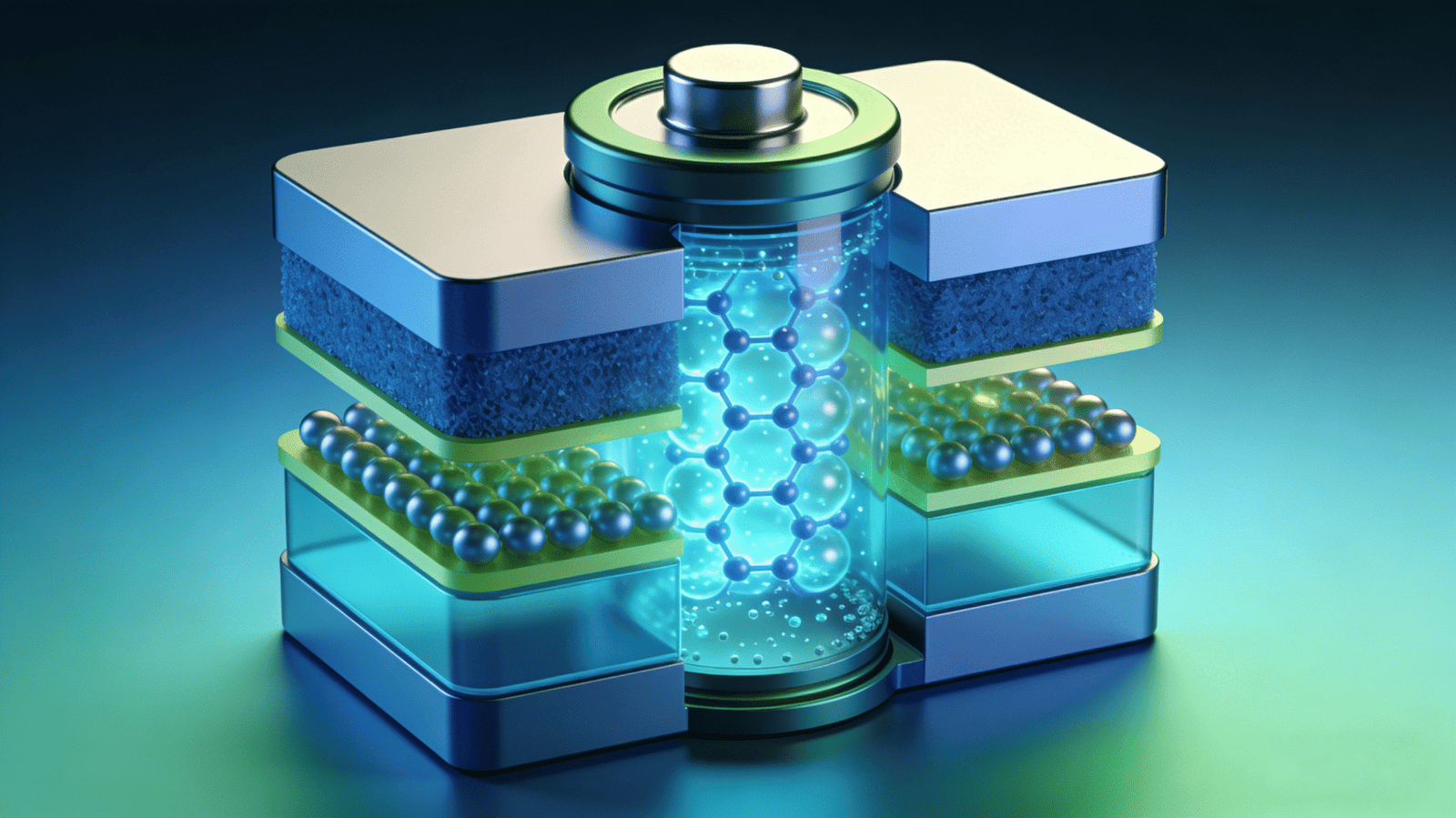
A sodium-ion battery is a rechargeable battery that uses sodium ions to store and release energy. It works in a very similar way to a lithium-ion battery. However, instead of using lithium, it uses sodium — a much more common element found in seawater and the Earth’s crust.
Here is a simple breakdown of how it works:
- During charging, sodium ions move from the positive electrode to the negative electrode.
- During discharging, the ions move back and release energy to power a device.
- The electrodes are made from materials that can absorb and release sodium ions repeatedly.
Simple definition: A sodium-ion battery stores electricity by moving sodium ions back and forth between two electrodes — just like a lithium-ion battery, but with a much more abundant and affordable material.
Because sodium is so common, these batteries are attracting a lot of attention from industries that need affordable, safe, and scalable energy storage. In addition, the technology has improved rapidly, making it a real competitor to lithium-ion in many use cases.
Key Advantages of Sodium-Ion Batteries
So, what exactly makes sodium-ion batteries so attractive? Therefore, let’s go through each major advantage in detail.
1. Abundant and Affordable Raw Materials
Sodium is one of the most abundant elements on Earth. It is found in seawater, salt deposits, and the Earth’s crust in huge quantities. As a result, its supply is far more stable and widespread than lithium.
- Lithium is mostly found in a few countries like Chile, Australia, and China.
- Sodium, however, is available almost everywhere in the world.
- This reduces supply chain risks and supports long-term price stability.
Therefore, for businesses planning large-scale energy storage, sodium-ion batteries offer a more secure raw material foundation compared to lithium-ion options.
2. Lower Cost Potential
Because sodium is so abundant, sodium-ion batteries have the potential to be significantly cheaper than lithium-ion batteries. Industry projections suggest that sodium-ion battery costs could be 30% to 40% lower than lithium-ion when produced at scale.
At LongKun Battery Group, we offer factory-direct pricing with no middlemen. This means our customers can reduce procurement costs even further. In addition, our fully automated production lines help keep manufacturing costs low, so those savings are passed directly to you.
3. Better Safety and Thermal Stability
Safety is one of the biggest concerns for any battery application. Fortunately, sodium-ion batteries have a much better safety profile than most lithium-ion chemistries. Specifically, they are:
- Less prone to thermal runaway — the dangerous chain reaction that can cause fires in lithium batteries.
- More thermally stable at high temperatures.
- Safer to transport and store in large quantities.
This makes them an excellent choice for commercial installations, base stations, UPS systems, and industrial energy storage where fire risk must be minimized. Moreover, all LongKun sodium-ion battery packs are tested and certified to the highest international standards, including UN38.3, IEC, CE, UL, and RoHS.
4. Strong Cold-Weather Performance
One of the most impressive advantages of sodium-ion batteries is how well they perform in cold weather. In comparison, lithium-ion batteries can lose a significant amount of their capacity when temperatures drop.
- Sodium-ion batteries retain 80–90% of their capacity at -20°C.
- Lithium-ion batteries often retain only 50–60% at the same temperature.
- This difference is huge for outdoor energy storage, cold-climate installations, and northern regions.
Therefore, if your project is located in a cold region — or if your storage system is installed outdoors — sodium-ion is clearly the better choice for reliable performance all year round.
5. Impressive Cycle Life
Long cycle life means a battery can be charged and discharged many times before it wears out. Sodium-ion batteries can last 4,000 to 6,000 cycles, and some advanced designs even exceed 10,000 cycles. In comparison, NMC lithium-ion batteries typically last only 1,000 to 2,000 cycles.
This means sodium-ion batteries can provide longer operational lifetimes, lower replacement costs, and a better return on investment — especially for stationary energy storage systems.
Sodium-Ion vs Lithium-Ion: Side-by-Side Comparison
Still wondering which battery is right for your needs? Therefore, here is a direct comparison to help you decide:
| Category | Sodium-Ion | LiFePO4 | NMC Lithium-Ion |
|---|---|---|---|
| Energy Density | 100–175 Wh/kg | 150–210 Wh/kg | 240–350 Wh/kg |
| Cycle Life | 4,000–10,000+ | 3,000–6,000 | 1,000–2,000 |
| Cold Weather (-20°C) | 80–90% retention | ~60% | ~50% |
| Thermal Safety | Excellent | Good | Moderate |
| Raw Material Supply | Very abundant globally | Limited supply regions | Limited supply regions |
| Projected Cost | Up to 30–40% lower | Baseline | Higher |
| Best Use Case | Grid storage, backup, industrial | EVs, solar storage | High-range EVs, portable electronics |
As you can see, sodium-ion batteries are not trying to replace lithium-ion in every situation. However, they are clearly the better option for stationary storage, cold climates, and cost-sensitive applications. Meanwhile, LongKun’s engineering team can help you choose the right chemistry for your specific project.
Best Applications for Sodium-Ion Batteries
Because of their unique advantages, sodium-ion batteries are a perfect fit for several important industries. Here are the best use cases:
Energy Storage Systems (ESS)
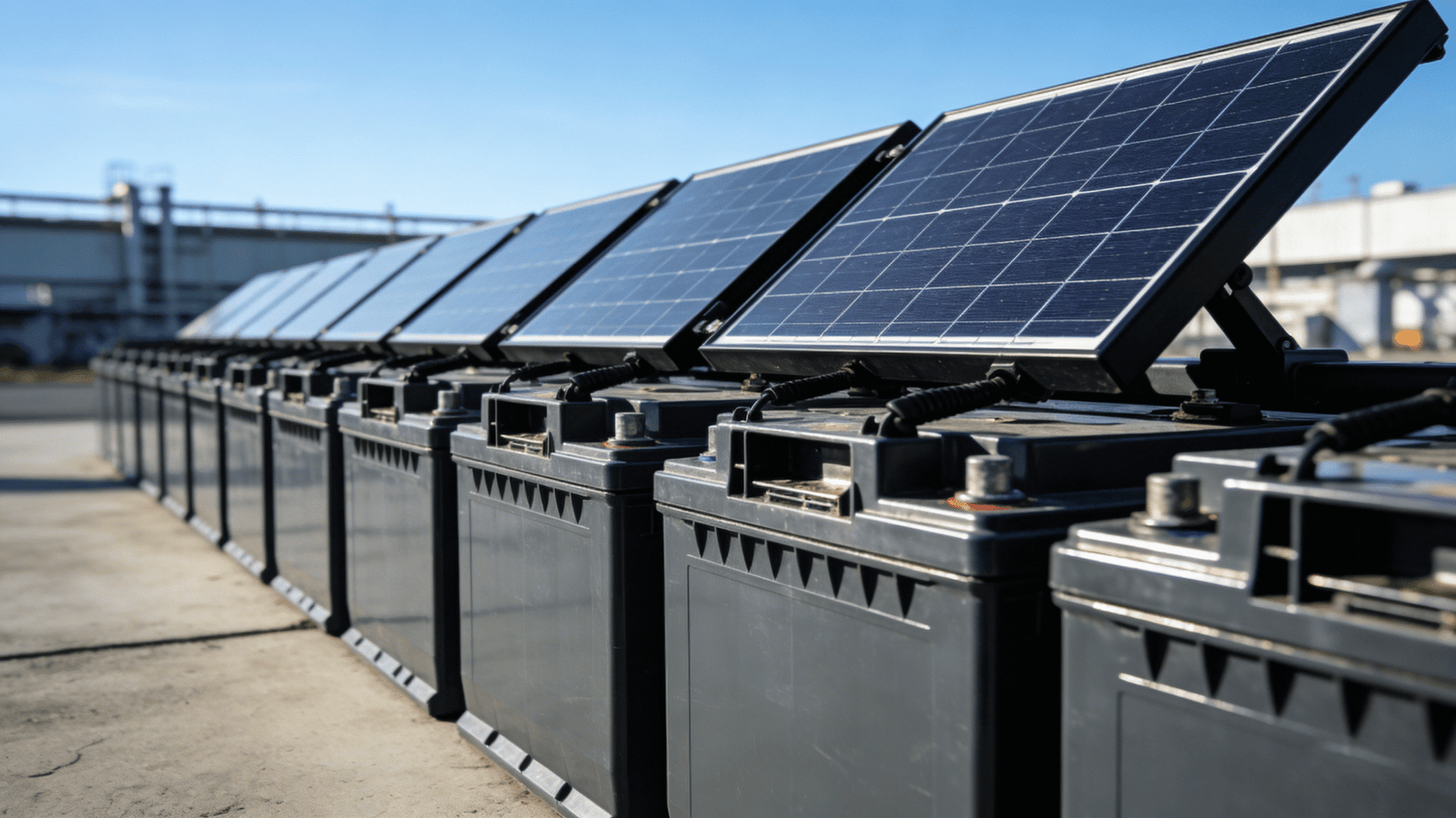
Sodium-ion batteries are ideal for solar energy storage, grid buffering, and commercial energy storage. Their long cycle life and strong safety profile make them a reliable backbone for large-scale storage systems. If you’re planning a commercial solar storage project, explore our guide on commercial solar battery storage to learn more.
Factory and Industrial Energy Storage
For factories, warehouses, and industrial facilities, sodium-ion batteries offer stable power supply, lower fire risk, and long operational lifetimes. These qualities make them perfect for peak shaving, backup power, and demand management. Learn more about how this technology applies to your facility in our dedicated guide on energy storage for factories.
Telecom Base Stations
Telecom base stations need reliable, long-lasting power in all weather conditions. Therefore, sodium-ion batteries — with their cold-weather resilience and thermal stability — are an excellent match. LongKun has already delivered high-performance battery packs to major telecom operators that needed stable power in harsh environments.
AGV and AMR Robots
For automated guided vehicles and mobile robots, cycle life and safety are critical. Sodium-ion batteries’ long cycle life and stable discharge make them a great fit for warehouse automation systems.
UPS and Backup Power
For data centers, hospitals, and commercial buildings, UPS systems need batteries that are safe, long-lasting, and reliable. Sodium-ion batteries check all those boxes. In addition, their lower cost helps reduce the total investment for large backup systems.
Common Limitations to Know
Being honest about limitations is important. Therefore, here are the main drawbacks of sodium-ion batteries that you should understand before making a decision:
- Lower energy density: Sodium-ion batteries store less energy per kilogram than NMC lithium-ion. As a result, they are not ideal for long-range electric vehicles where weight and range are critical.
- Technology maturity: While improving rapidly, sodium-ion technology is still newer than lithium-ion. However, leading manufacturers are closing this gap quickly.
- Limited high-power applications: For applications needing very high bursts of power, some lithium-ion chemistries still have an edge.
Bottom line: Sodium-ion batteries are not a one-size-fits-all solution. However, for stationary energy storage, industrial power, and cold-climate applications, they offer a genuinely compelling combination of safety, cost, and performance.
Not sure if sodium-ion is right for your project? In that case, LongKun's engineering team can evaluate your needs and recommend the best battery chemistry — whether that's sodium-ion, LiFePO4, or another solution.
Market Outlook for Sodium-Ion Batteries
The sodium-ion battery industry is growing fast. Here are the key numbers that show how serious this technology has become:
- The market was valued at USD 1.43 billion in 2024.
- It is expected to grow at a CAGR of 18.89% from 2026 to 2032.
- By 2035, the market could reach USD 13.1 billion — reflecting massive industrial adoption.
In addition, major battery manufacturers in China, Europe, and North America are all investing heavily in sodium-ion production lines. Therefore, the technology is moving well beyond the lab and into commercial-scale deployment.
For businesses considering long-term energy storage investments, getting ahead of this trend now can offer significant competitive and cost advantages. Furthermore, working with an experienced manufacturer like LongKun — with fully certified products and a proven supply chain — gives you a reliable path into this growing market.
For independent reference, see the International Electrotechnical Commission (IEC) for global battery safety standards, and the UL Battery Safety Resources for certification benchmarks. Industry technical data is also available through the U.S. Department of Energy's Battery R&D hub and the International Renewable Energy Agency (IRENA).
Frequently Asked Questions About Sodium-Ion Batteries
What are the main advantages of sodium-ion batteries?
The main advantages of sodium-ion batteries are abundant raw materials, potentially lower cost, better safety, impressive cycle life, and strong cold-weather performance. They are especially attractive for stationary storage and applications where weight matters less than safety and cost.
Are sodium-ion batteries cheaper than lithium-ion?
They are expected to be cheaper at scale because sodium is far more abundant than lithium. Industry projections suggest costs could be 30–40% lower. However, the actual price advantage depends on production scale and factory maturity. Therefore, it is best viewed as a strong projected advantage rather than a guaranteed current price difference.
Are sodium-ion batteries safer than lithium-ion?
Yes. Sodium-ion batteries are generally more thermally stable and less prone to thermal runaway than lithium-ion batteries. This makes them a safer choice for grid storage, backup power systems, and large commercial installations where fire risk is a serious concern.
What are sodium-ion batteries best used for?
They are best used in energy storage systems, renewable energy integration, factory backup power, telecom base stations, AGV robots, and UPS systems. Their lower energy density makes them less suitable for long-range EVs. However, that limitation matters far less in stationary applications.
Do sodium-ion batteries work well in cold weather?
Yes — this is one of their standout advantages. Sodium-ion batteries retain 80–90% of their capacity at -20°C, compared to 50–60% for many lithium-ion alternatives. Therefore, they are an excellent choice for cold climates and outdoor installations.
Will sodium-ion batteries replace lithium-ion batteries?
Not entirely. Instead, they are more likely to coexist with lithium-ion and take a larger share in grid storage, backup power, and cost-sensitive applications. Meanwhile, lithium-ion will remain dominant in high-energy-density uses like premium EVs and portable electronics.
Conclusion: Is Sodium-Ion the Right Battery for Your Project?
Sodium-ion batteries are no longer just a lab experiment. They are, in fact, a proven, commercially available technology with real advantages in safety, cost, cold-weather performance, and cycle life. As a result, they are becoming the battery of choice for energy storage, industrial power, and commercial backup systems around the world.
To summarize the key advantages of sodium-ion batteries:
- ✅ More abundant raw materials — reduces supply chain risk
- ✅ Up to 30–40% lower projected cost than lithium-ion at scale
- ✅ Higher thermal stability and lower fire risk
- ✅ Better cold-weather performance — 80–90% retention at -20°C
- ✅ Long cycle life — 4,000 to 10,000+ cycles
- ✅ Ideal for stationary storage, industrial, and commercial use
At LongKun Battery Group, we combine these natural advantages with our own manufacturing strengths. Specifically, we offer:
- 🏭 Factory-direct pricing — no middlemen, competitive quotes
- ⚡ Fast lead times — backed by 5 fully automated Industry 4.0 production lines
- 📋 Full global certifications — UN38.3, MSDS, IEC, CE, UKCA, RoHS, UL
- 🔧 Stable after-sales support — 50+ experienced engineers, including alumni of BYD and CATL
"From inquiry to after-sales service, our professional team is here to reduce your communication and procurement costs — and ensure your battery solution performs reliably for years to come."
— LongKun Battery Group Engineering Team
Whether you are planning a commercial solar storage project, a factory energy storage system, or a custom battery solution for a specialized application, we are ready to help. In addition, our engineers can work directly with your team to design, certify, and deliver the right battery pack for your exact needs.
📩 Get Your Custom Sodium-Ion Battery Quote Today
Contact LongKun Battery Group for:
- ✔ Fast quotation within 24 hours
- ✔ Free consultation with our senior engineers
- ✔ Custom battery pack design for your specific application
- ✔ Competitive factory-direct pricing with full certification
- ✔ Reliable long-term supply and after-sales support
👉 Visit us at clkbattery.com or contact our team directly to get started.