Sodium battery technology is changing the way the world stores energy. In short, it uses sodium ions to carry charge inside a rechargeable battery — much like a lithium-ion battery uses lithium ions. Because sodium is far more abundant than lithium, this technology could make energy storage cheaper, more reliable, and more sustainable for everyone.
At LongKun Battery Group, we have been designing and manufacturing custom battery packs since 2009. Therefore, we track every major shift in battery chemistry — and sodium-ion is one of the most exciting shifts we have seen. In addition, our factory-direct model means you get competitive pricing, fast lead times, and full certifications including UN38.3, MSDS, IEC, CE, UKCA, RoHS, and UL — all ready for Europe, the USA, Australia, Japan, and beyond.
⚡ Key Facts: Sodium Battery Technology at a Glance
| Metric | Data |
|---|---|
| Global market size (2024) | USD 270.1 million |
| Forecast market size (2034) | USD 2.74 billion |
| Market growth rate (CAGR 2025–2034) | 26.1% |
| CATL commercial EV cell energy density | 175 Wh/kg |
| CATL fast-charge claim | 80% SOC in 15 minutes |
| Cycle life (commercial EV sodium-ion, 2026) | 10,000 cycles |
| Operating temperature range (some designs) | −20°C to +60°C |
| Typical energy efficiency | 92% at C/5 |
| LongKun Battery certifications | UN38.3, MSDS, IEC, CE, UKCA, RoHS, UL |
| LongKun annual production capacity | 50+ million units |
Sources: GM Insights, MarketsandMarkets, CATL, Paul Tan’s Automotive News
📄 Table of Contents
- What Is Sodium Battery Technology?
- How Does a Sodium-Ion Battery Work?
- Why Is Sodium Battery Technology Gaining Attention?
- Advantages of Sodium Battery Technology
- Limitations of Sodium-Ion Batteries
- Sodium-Ion Battery vs Lithium-Ion Battery
- Where Are Sodium-Ion Batteries Used Today?
- How Safe Are Sodium-Ion Batteries?
- What Is the Market Outlook for Sodium Battery Technology?
- What Is Next for Sodium Battery Technology?
- How LongKun Battery Group Works With Emerging Battery Technologies
- Frequently Asked Questions About Sodium Battery Technology
- Conclusion: Is Sodium Battery Technology Right for Your Application?
What Is Sodium Battery Technology?
Definition: A sodium-ion battery (also called a sodium battery or Na-ion battery) is a type of rechargeable battery that stores and releases energy by moving sodium ions between two electrodes. It works on the same basic principle as a lithium-ion battery, but uses sodium (Na) instead of lithium (Li) as the charge carrier.
Sodium is the same element found in table salt. It is one of the most common elements on Earth. Therefore, batteries built around sodium have a big cost and supply-chain advantage over lithium-based batteries.
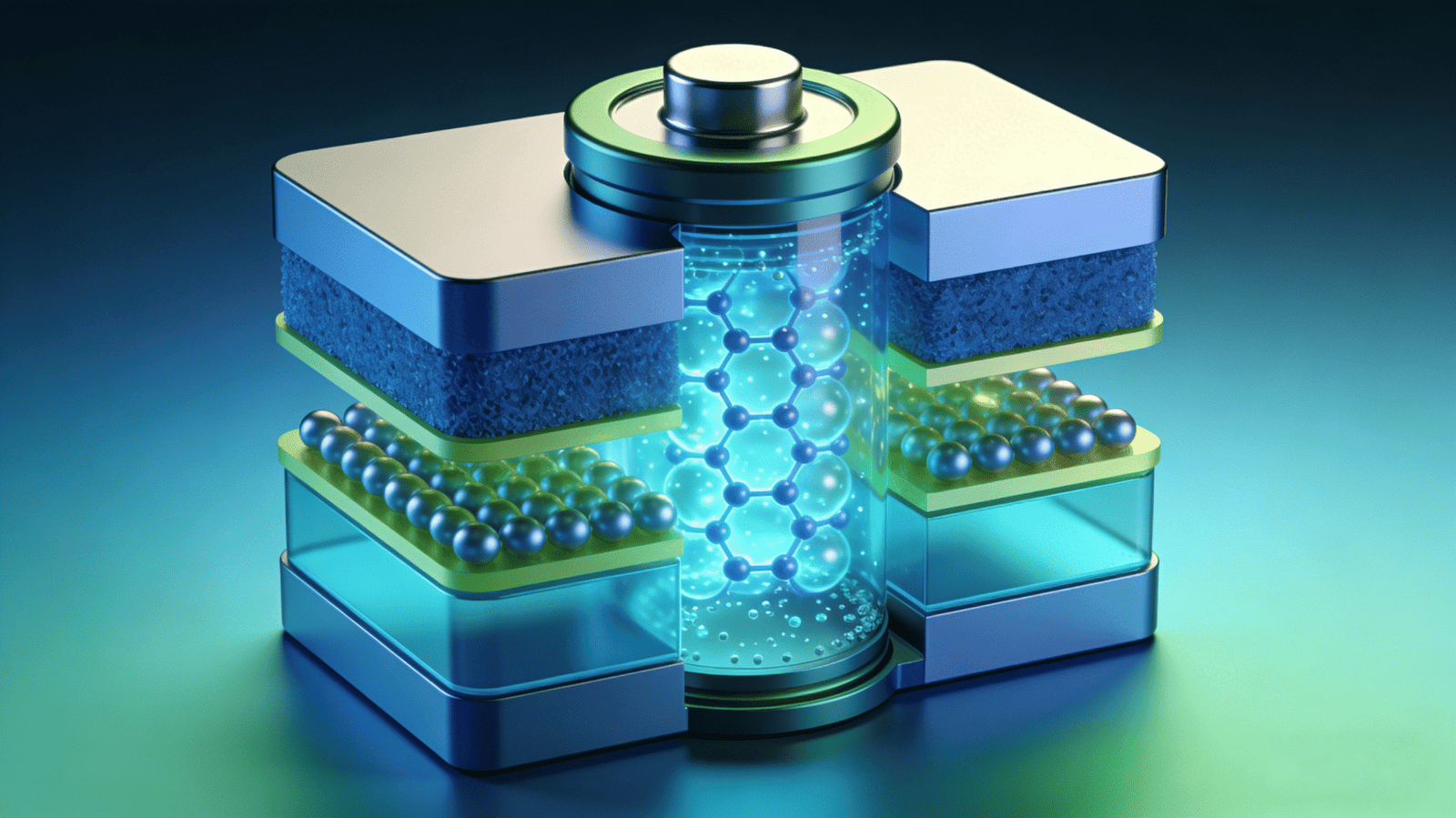
Sodium-ion batteries have three main parts: a cathode (positive electrode), an anode (negative electrode), and an electrolyte in between. When the battery charges or discharges, sodium ions travel through the electrolyte from one electrode to the other. This movement is what creates electricity.
Scientists first explored sodium-ion technology in the 1970s. However, only in the last decade has it moved from the lab to real commercial products. Today, companies like CATL are mass-producing sodium-ion cells for electric vehicles and energy storage.
How Does a Sodium-Ion Battery Work?
Understanding how a sodium-ion battery works is actually quite simple. Moreover, knowing the basics helps you choose the right battery for your application.
Charging Process
- An external power source pushes electricity into the battery.
- Sodium ions leave the cathode (positive side) and move through the electrolyte.
- Those sodium ions arrive at and are stored in the anode (negative side).
- At the same time, electrons travel through the outer circuit — that is what charges your device or stores energy.
Discharging Process
- When the battery powers a device, sodium ions leave the anode.
- They travel back through the electrolyte toward the cathode.
- Electrons flow through the external circuit in the same direction — and that flow of electrons is the electricity your device uses.
- The cycle then repeats when you charge the battery again.
“The movement of sodium ions between electrodes during charging and discharging is what makes sodium-ion batteries work. It is the same core idea as lithium-ion, just with a different ion doing the job.”
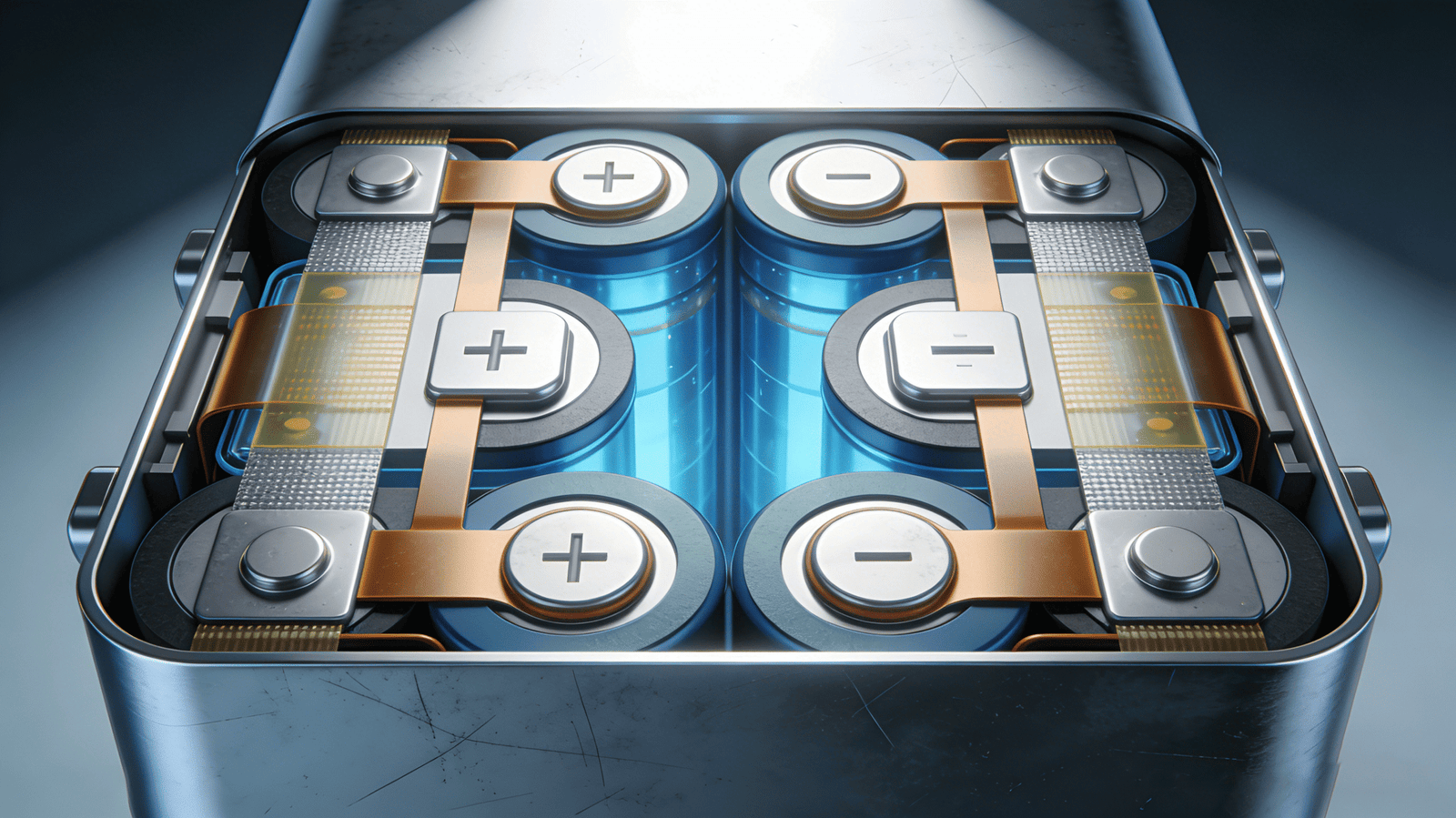
In short, the process is a reversible chemical reaction. Furthermore, because sodium ions are slightly larger than lithium ions, battery engineers must design electrode materials that can accommodate them. That is why cathode and anode materials in sodium-ion batteries are specifically engineered to fit this chemistry.
Why Is Sodium Battery Technology Gaining Attention?
The global battery industry is growing fast. In addition, the demand for cheaper, more sustainable energy storage is pushing researchers and manufacturers toward new chemistries. Sodium-ion is at the center of that shift — and for good reason.
Sodium Is Everywhere
Lithium is a relatively rare element. Most of the world’s lithium supply comes from just a handful of countries. Sodium, however, is one of the most abundant elements on the planet. It is found in seawater, salt deposits, and the Earth’s crust. Therefore, sourcing sodium is far easier and far less expensive than sourcing lithium.
Reduced Supply-Chain Risk
Because sodium is widely available, manufacturers can source it from many suppliers across many countries. As a result, buyers face far less risk of supply disruptions. This is especially important for businesses in Europe, the USA, Australia, and Japan — markets where supply chain stability is a top priority.
Strong Support From Major Battery Makers
Leading battery manufacturers — including CATL — have invested heavily in sodium-ion technology. This industry momentum is a clear sign that sodium-ion is not just a research idea. It is becoming a commercial reality.
Advantages of Sodium Battery Technology
Sodium-ion batteries offer several important benefits. Here are the key advantages you should know:
- Abundant raw materials: Sodium is one of the most common elements on Earth. Therefore, it is easier and cheaper to obtain than lithium.
- Lower material cost potential: Because sodium is so widely available, the long-term cost per kWh for sodium-ion batteries could be significantly lower than for lithium-ion.
- Strong low-temperature performance: Sodium-ion batteries can operate in temperatures as low as −20°C. This makes them well-suited for cold climates in Europe, North America, and beyond.
- Wide operating temperature range: Some designs work reliably from −20°C to +60°C — an excellent range for outdoor and industrial applications.
- Good thermal stability: Sodium-ion cells are generally viewed as having good thermal safety characteristics, which is important for stationary storage and commercial use.
- No lithium or cobalt required: Some sodium-ion designs also avoid cobalt — another expensive and supply-constrained material. This further reduces cost and ethical sourcing concerns.
- Shipping at zero volts: Certain sodium-ion battery designs can be safely transported at 0V (fully discharged). This simplifies logistics and reduces shipping regulations for some applications.
- High energy efficiency: Technical data cites approximately 92% energy efficiency at C/5, which is competitive for stationary storage use cases.
Limitations of Sodium-Ion Batteries
It is important to be honest about what sodium-ion batteries cannot yet do. Understanding the limitations helps you make the right choice for your project.
- Lower energy density than lithium-ion: This is the biggest current limitation. Today’s sodium-ion cells typically store less energy per kilogram than lithium-ion cells. For example, CATL’s latest commercial sodium-ion cell reaches 175 Wh/kg — impressive, but still below the best lithium-ion cells, which can exceed 250–300 Wh/kg.
- Less suitable for long-range EVs: Because of lower energy density, sodium-ion is currently better suited for short-range or low-speed EVs, commercial vehicles, and stationary storage rather than long-range passenger cars.
- Less mature supply chain: The sodium-ion manufacturing ecosystem is still growing. However, that gap is closing quickly as major manufacturers scale up production.
- Heavier per unit of energy: A sodium-ion battery pack may weigh more than an equivalent lithium-ion pack for the same energy output. Therefore, weight-sensitive applications — like aerospace or compact drones — may still prefer lithium-ion.
“Sodium-ion is not trying to replace lithium-ion in every application. Instead, it is finding its own space — especially in stationary storage, commercial vehicles, and cost-sensitive markets.”
For a deeper comparison, see our dedicated guide: Sodium-Ion vs Lithium-Ion Battery — Which One Is Right for You?
Sodium-Ion Battery vs Lithium-Ion Battery
Here is a clear side-by-side comparison to help you understand the differences between sodium-ion and lithium-ion batteries.
| Feature | Sodium-Ion Battery | Lithium-Ion Battery |
|---|---|---|
| Charge carrier | Sodium ions (Na⁺) | Lithium ions (Li⁺) |
| Energy density | ~100–175 Wh/kg (current) | ~150–300 Wh/kg |
| Raw material abundance | Very high (sodium is extremely common) | Moderate (lithium is less common) |
| Raw material cost | Lower potential | Higher (and volatile) |
| Low-temperature performance | Excellent (down to −20°C) | Good, but degrades more in cold |
| Thermal stability | Generally good | Varies by chemistry |
| Best use cases | Grid storage, commercial EVs, backup power | Long-range EVs, portable electronics, aerospace |
| Cycle life (leading commercial) | Up to 10,000 cycles | 500–5,000+ cycles (varies) |
| Maturity | Emerging commercial stage | Well-established |
| Cobalt requirement | Often none | Some chemistries require cobalt |
In summary, sodium-ion and lithium-ion are complementary technologies rather than direct competitors. The right choice depends entirely on your application, budget, and performance requirements. Additionally, you can explore our lithium home battery system if a lithium-ion solution better fits your needs.
Where Are Sodium-Ion Batteries Used Today?
Sodium-ion batteries are already being deployed in real commercial applications. Furthermore, their adoption is growing rapidly across several industries.
Current and Emerging Applications
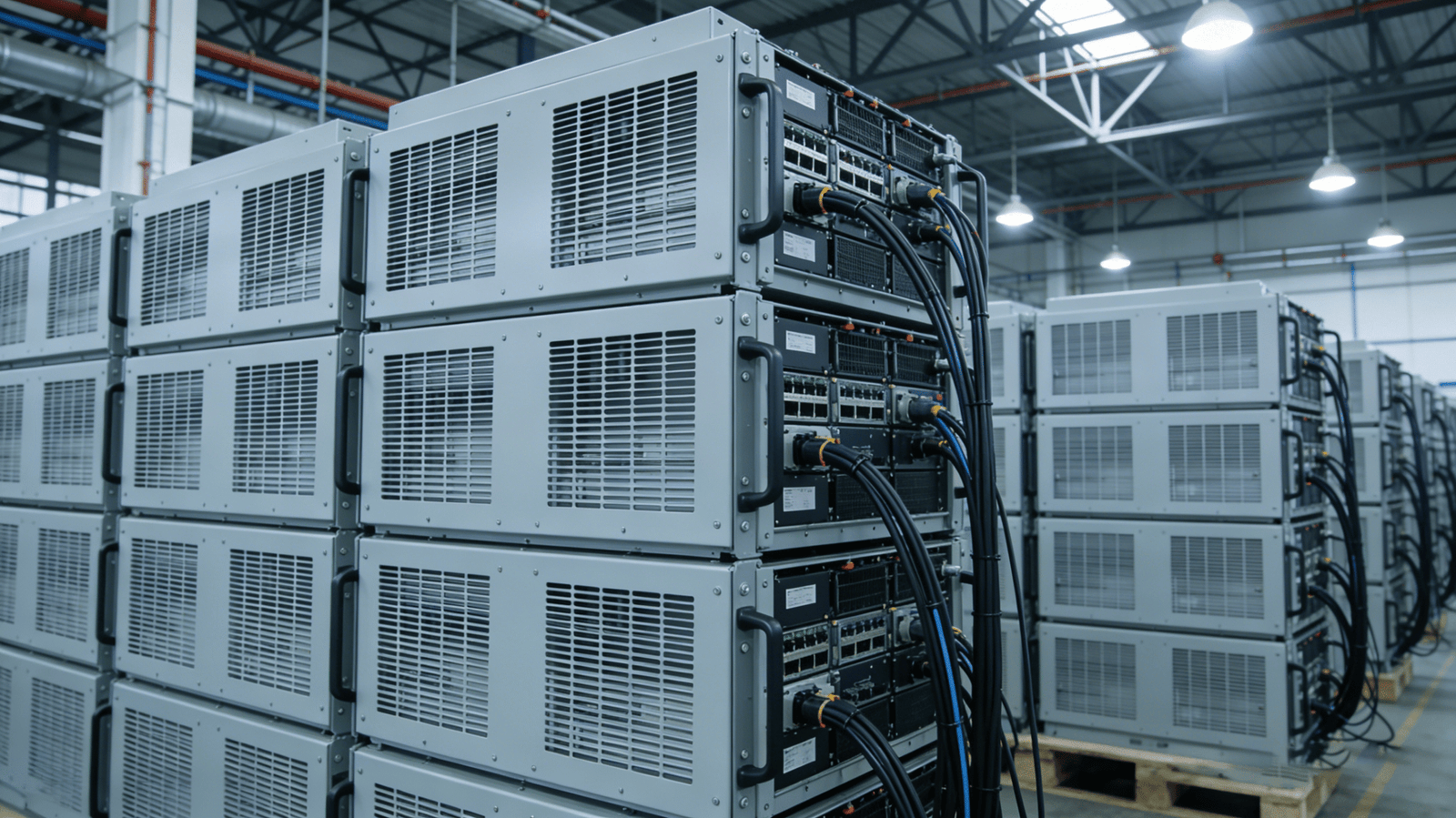
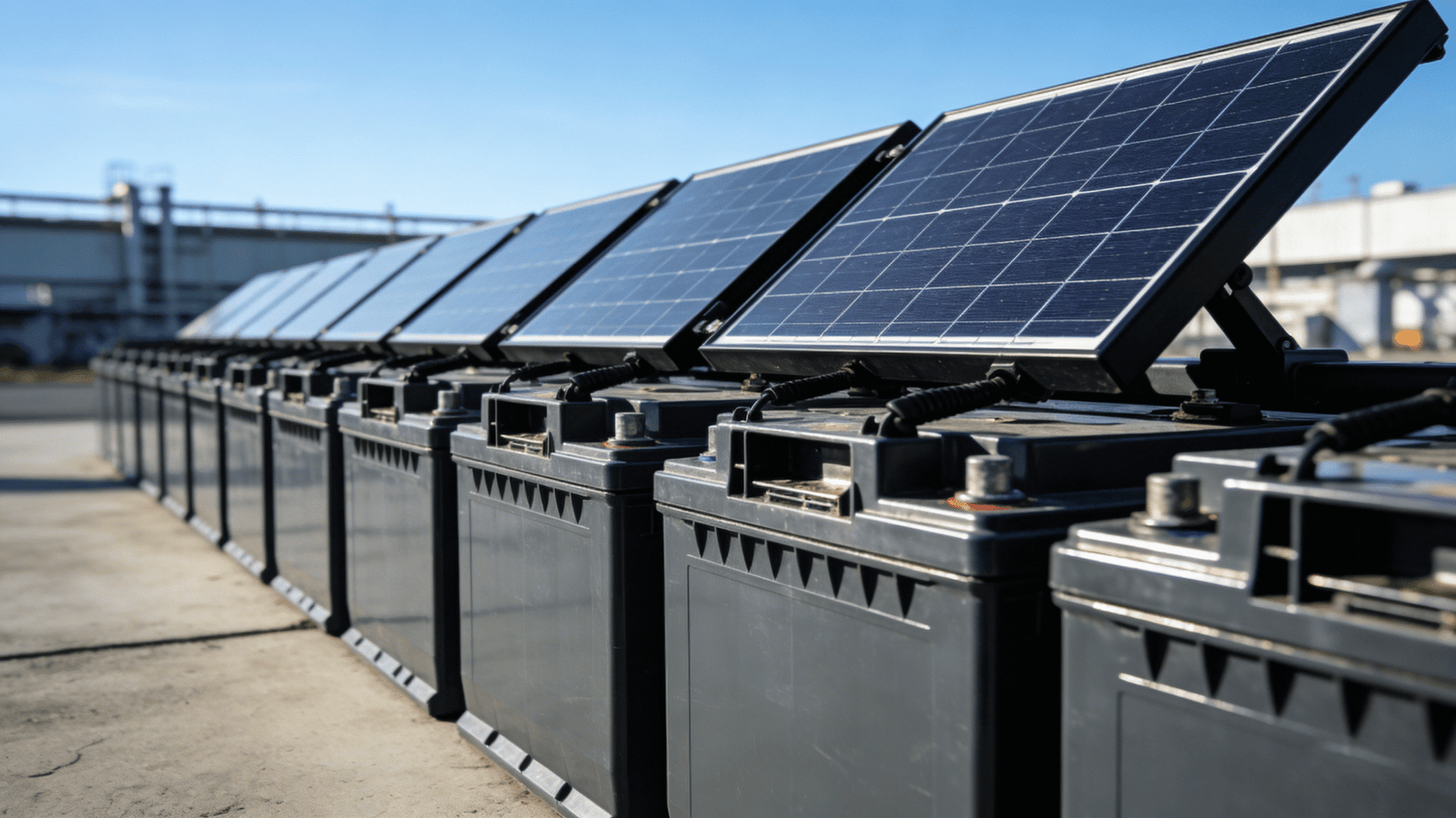
- Stationary energy storage systems (ESS): Sodium-ion batteries are an excellent match for grid-scale and residential energy storage. They offer long cycle life, good safety, and competitive cost per kWh for large installations.
- Grid balancing and backup power: Utilities use sodium-ion batteries to balance supply and demand on the power grid. They are also ideal for backup power at base stations and data centers.
- Commercial and low-speed EVs: Electric buses, delivery trucks, forklifts, and golf carts are strong fits for sodium-ion technology. The lower energy density matters less when vehicle range requirements are modest.
- AGV and AMR robots: Automated guided vehicles in warehouses and factories benefit from sodium-ion’s long cycle life and wide temperature tolerance.
- Telecom base stations: Reliable backup power is critical for base stations. Therefore, sodium-ion’s thermal stability and long service life make it attractive for this application.
- Marine applications: Stable performance across a wide temperature range is essential for marine power systems, where conditions vary significantly.
At LongKun Battery Group, we customize battery packs for many of these exact applications — including energy storage systems, AGV/AMR robots, base stations, marine systems, and commercial vehicles. Moreover, every battery pack we produce carries full international certifications, including UN38.3, IEC, CE, UKCA, RoHS, and UL, ensuring compliance with regulations in your target markets.
How Safe Are Sodium-Ion Batteries?
Safety is always a top concern when choosing a battery technology — especially for commercial, industrial, or grid-scale applications. Sodium-ion batteries are widely regarded as having strong safety characteristics. Here is why:
- Good thermal stability: Sodium-ion cells generally show strong resistance to thermal runaway compared to some lithium-ion chemistries. This is particularly important for large storage installations.
- 0V shipping advantage: Some sodium-ion designs can be transported fully discharged (at 0 volts). This simplifies international shipping logistics and can reduce regulatory complexity.
- No lithium or cobalt: Removing these materials reduces certain chemical hazards and supply-chain ethical risks.
- Abuse tolerance: Leading sodium-ion cell makers report strong tolerance to mechanical abuse, short circuits, and overcharge conditions in their cell designs.
⚠️ Important note: Safety always depends on the specific cell design, electrolyte chemistry, and battery management system (BMS). At LongKun, our smart BMS solutions monitor every cell in real time — ensuring safe operation across all temperature ranges and charge cycles. Our batteries comply with IEC international safety standards and UL certification requirements.
What Is the Market Outlook for Sodium Battery Technology?
The sodium-ion battery market is growing at an impressive pace. Here is what the latest data shows:
| Forecast Metric | Data |
|---|---|
| Market size in 2024 | USD 270.1 million |
| Projected size by 2034 | USD 2.74 billion |
| CAGR (2025–2034) | 26.1% |
| Market forecast 2025 | USD 0.67 billion |
| Market forecast 2030 | USD 2.01 billion |
These numbers tell a clear story: sodium-ion battery technology is moving from a niche research topic to a mainstream commercial market. Furthermore, the 26.1% annual growth rate is one of the strongest in the entire energy storage sector.
The key growth drivers include rising demand for grid storage, government incentives for clean energy in Europe and North America, and the rapid scale-up of manufacturing capacity by leading cell makers. In addition, as production volumes rise, costs per kWh are expected to fall further — making sodium-ion even more competitive.
What Is Next for Sodium Battery Technology?
The technology is improving quickly. In January 2026, CATL unveiled the world’s first mass-produced sodium-ion battery for commercial EVs — achieving an energy density of 175 Wh/kg and a claimed cycle life of 10,000 cycles. That is a major milestone. Moreover, it signals that sodium-ion is ready for demanding real-world applications.
Key Developments to Watch
- Rising energy density: Researchers are continuously improving cathode and anode materials. As a result, the energy density gap between sodium-ion and lithium-ion is narrowing.
- Manufacturing scale-up: As more factories add sodium-ion production lines, costs will fall and supply will increase. This will open even more price-sensitive markets.
- Solid-state sodium batteries: The next generation of sodium batteries may use solid electrolytes instead of liquid ones. This could deliver even better safety and energy density.
- Commercial vehicle deployment: Electric buses, trucks, and delivery vehicles are expected to become major consumers of sodium-ion batteries over the next five years.
- Grid storage integration: Governments and utilities worldwide are investing in large-scale energy storage. Sodium-ion is well-positioned to capture a significant share of this market.
At LongKun Battery Group, we are actively investing in the development of next-generation battery technologies — including solid-state batteries. Furthermore, our team of 50+ experienced engineers — including veterans from BYD and CATL — stays at the leading edge of these developments so we can bring the best solutions to our customers.
For more on how home energy storage is evolving alongside these technologies, see our guide to lithium home battery systems.
How LongKun Battery Group Works With Emerging Battery Technologies
Since 2009, LongKun Battery Group has been a trusted one-stop custom battery pack manufacturer based in Shenzhen, China. As sodium-ion and other emerging chemistries mature, we are ready to help our global clients adopt them — without sacrificing quality, safety, or speed.
Our Core Competitive Advantages
Full International Certifications
UN38.3, MSDS, IEC, CE, UKCA, RoHS, UL — compliant with Europe, USA, Australia, Japan, and beyond.
Competitive Factory-Direct Pricing
We manufacture directly. Therefore, you cut out the middleman and reduce your procurement costs significantly.
Fast Lead Times
Five fully automated Industry 4.0 production lines and 1,000 skilled workers ensure quick turnaround from order to delivery.
Stable After-Sales Support
Our professional engineering team supports you from inquiry to after-sales — reducing communication costs and ensuring long-term reliability.
Our Certifications
MSDS
IEC
CE
UKCA
RoHS
UL
Our Services
- Battery Structure Design — custom form factors for any application
- Cell Manufacturing — using tier-1 brand cells for reliability
- Battery Module Assembly — precision assembly on automated lines
- BMS Solution Customization — smart battery management for safety and performance
- Battery Pack Production — from prototype to mass production
- Battery Charger Development — matched to your battery system
We serve more than 1,500 satisfied clients worldwide. Our annual output exceeds 50 million units. Furthermore, we have successfully passed audits from globally recognized brands — so you can trust our quality before you even place an order.
For a full technical breakdown of sodium-ion versus lithium-ion options for your project, visit: Sodium-Ion vs Lithium-Ion Battery — Which One Is Right for You?
Frequently Asked Questions About Sodium Battery Technology
Conclusion: Is Sodium Battery Technology Right for Your Application?
Sodium battery technology has moved beyond the laboratory. In 2026, it is a commercial reality — with mass-produced cells, growing market demand, and a rapidly maturing supply chain. Furthermore, its advantages in raw material abundance, low-temperature performance, and cost potential make it a compelling choice for grid storage, commercial vehicles, backup power, and many industrial applications.
At the same time, lithium-ion batteries remain the right choice for applications that demand the highest energy density. Therefore, the smart approach is to evaluate each application on its own merits — and choose the chemistry that truly fits.
At LongKun Battery Group, we help you make that decision with confidence. Our engineering team brings deep expertise in both sodium-ion and lithium-ion technologies. Moreover, our factory-direct model delivers competitive pricing, fast lead times, and full global certifications — so you can move from inquiry to production without delay.
🔗 Learn more:
→ Sodium-Ion vs Lithium-Ion Battery — Which One Is Right for You?
→ Lithium Home Battery System by LongKun
→ IEC International Electrotechnical Commission — Battery Safety Standards
→ UL Battery Safety Certification
Ready to Get a Custom Battery Solution?
Tell us your application, voltage, capacity, and cycle life requirements. Our engineering team will respond fast with a detailed proposal — factory-direct, fully certified, and built for your market.
✓ Fast quotation | ✓ Strong technical support | ✓ Long-term reliable partnership
✓ UN38.3 · IEC · CE · UKCA · RoHS · UL certified