Choosing the right battery technology can feel confusing. However, understanding the key differences
between sodium-ion and lithium-ion batteries makes the decision much clearer.
In addition, knowing where each chemistry performs best helps you save money and get better results.
At LongKun Battery Group (clkbattery.com),
we manufacture both sodium-ion and lithium-ion battery packs. Therefore, we offer factory-direct pricing,
fast lead times, full international certifications, and dedicated engineering support — all from one trusted source.
⚡ Key Takeaways: Sodium-Ion vs Lithium-Ion Battery
- Lithium-ion has higher energy density (up to 350 Wh/kg) — best for EVs and portable devices.
- Sodium-ion offers better cold-weather performance, retaining over 85% capacity at −40 °C.
- Sodium-ion uses cheaper, more abundant materials — so it costs less to produce.
- Both chemistries can last 4,000–6,000+ cycles. Some sodium-ion designs exceed 10,000 cycles.
- Sodium-ion is generally safer to ship and less prone to thermal runaway.
- LongKun Battery Group supplies fully certified (CE, UL, RoHS, IEC) packs for both technologies — with competitive factory-direct pricing and fast delivery.
- For most home and commercial energy storage needs, both options work well. However, your specific use case determines the winner.
1. What Are Sodium-Ion and Lithium-Ion Batteries?
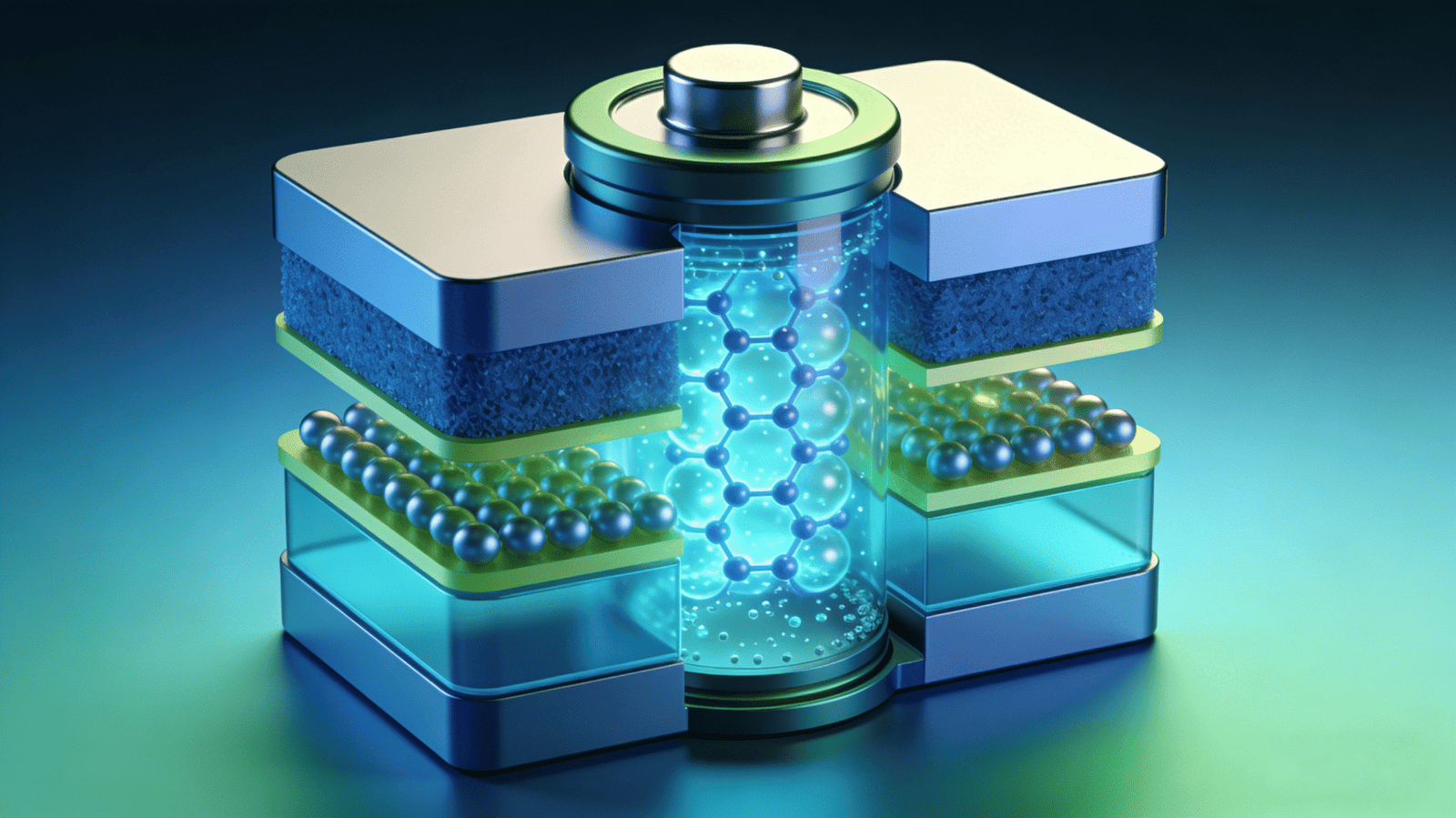
First, let’s define both technologies simply. A lithium-ion battery uses lithium ions
that move between the anode and cathode to store and release energy. Today, lithium-ion powers
smartphones, laptops, electric vehicles (EVs), and home energy storage systems.
A sodium-ion battery works in almost the same way. However, it uses sodium ions instead of lithium ions.
Sodium is found everywhere — even in seawater. As a result, sodium-ion batteries are emerging as a
cost-effective option for grid storage, backup power, and low-speed vehicles.
“Think of lithium-ion as the powerful sports car and sodium-ion as the reliable, fuel-efficient
family van. Both get the job done — but each excels in different situations.”
Currently, lithium-ion dominates the market for consumer electronics and high-performance EVs.
Meanwhile, sodium-ion is gaining ground in stationary storage, cold-climate applications,
and cost-sensitive projects. Furthermore, pilot EV programs are already testing sodium-ion packs
in entry-level vehicles.
2. Sodium-Ion vs Lithium-Ion: Full Comparison Table
Below is a quick, data-backed comparison table. It covers all the key metrics you need to make a smart
battery decision. This table is sourced from leading industry research and reflects real-world performance data.
| Metric | Lithium-Ion (LiFePO₄ / NMC) | Sodium-Ion |
|---|---|---|
| Gravimetric Energy Density | LiFePO₄: ~150–210 Wh/kg NMC: ~240–350 Wh/kg |
~100–175 Wh/kg |
| Nominal Cell Voltage | 3.2 V (LiFePO₄); 3.6–3.7 V (NMC) | ~3.0 V (layered oxide); ~3.2 V (Prussian blue) |
| Typical Cycle Life | LiFePO₄: ~3,000–6,000 cycles NMC: ~1,000–2,000 cycles |
~4,000–6,000 cycles; latest designs >10,000 cycles |
| Low-Temperature Capacity | Drops to ~60% at −20 °C | >85% retained at −40 °C |
| Supply-Chain Abundance | Lithium is geopolitically concentrated; prices rose >7× since 2021 | Sodium is ~500–1,000× more abundant; can come from seawater |
| Current Collector Metal | Copper (3–4× price of aluminum) | Aluminum (cheaper and lighter) |
| Thermal Safety | Risk of thermal runaway if mishandled | More thermally stable; lower thermal-runaway risk |
| Shipping Classification | Often classified as hazardous; strict handling required | Often non-hazmat; simpler logistics |
| Market Maturity | Mature, multi-hundred-billion-dollar global market | Emerging; ~$1.83 billion in 2025; rapidly growing |
Table 1: Sodium-ion vs lithium-ion battery comparison — LongKun Battery Group (clkbattery.com), based on published industry data.
UN38.3, MSDS, IEC, CE, UKCA, RoHS, and UL. Therefore, our battery packs meet
the requirements of every major global market, including Europe, the USA, Australia, and Japan.
3. Energy Density & Weight — Which Packs More Power?
Energy density measures how much energy a battery stores per kilogram. In other words, higher energy density
means a lighter, more compact pack for the same amount of stored power.
Lithium-Ion Wins on Energy Density
Lithium-ion chemistry still holds the lead here. Specifically, NMC-based lithium-ion cells can reach
up to 240–350 Wh/kg. Even LiFePO₄ cells — known for excellent safety and long life —
deliver around 150–210 Wh/kg. As a result, lithium-ion remains the top choice for
electric vehicles, drones, and portable electronics where weight matters most.
Sodium-Ion: Bigger but Still Practical
Commercial sodium-ion cells currently sit at around 100–175 Wh/kg. Therefore, a
sodium-ion pack needs more mass and volume to store the same amount of energy as a lithium-ion pack.
However, this lower energy density matters much less in stationary storage applications.
For example, a home battery system or a grid-scale storage unit has plenty of space.
So, weight is not a critical factor there.
✅ Lithium-Ion: Best for Weight-Sensitive Uses
- Long-range electric vehicles
- Drones and UAVs
- Portable medical equipment
- Consumer electronics
- Aerospace applications
✅ Sodium-Ion: Best for Space-Available Uses
- Home energy storage systems
- Grid-scale storage
- Backup power units
- Telecom base stations
- Commercial & industrial storage
LongKun’s lithium home battery systems
use high-quality Tier 1 cells. In addition, our custom sodium-ion packs are designed for stationary
storage projects where cost efficiency and safety are the top priorities.
4. Which Battery Lasts Longer? Cycle Life Compared
Cycle life tells you how many times you can charge and discharge a battery before it starts losing
significant capacity. Therefore, a longer cycle life means a better return on your investment.
| Battery Type | Typical Cycle Life | Best Real-World Use |
|---|---|---|
| LiFePO₄ (Lithium-Ion) | 3,000 – 6,000 cycles | Home storage, EVs, solar backup |
| NMC (Lithium-Ion) | 1,000 – 2,000 cycles | High-performance EVs, power tools |
| Sodium-Ion | 4,000 – 6,000+ cycles (some >10,000) | Grid storage, backup power, cold regions |
Table 2: Cycle life comparison across battery chemistries.
As you can see, modern sodium-ion cells are highly competitive in cycle life. In fact, some
laboratory designs have already surpassed 10,000 cycles. Meanwhile, LiFePO₄ lithium-ion
batteries — which LongKun uses for home and commercial storage — offer a solid 3,000–6,000 cycles.
Furthermore, NMC lithium-ion batteries trade some cycle life for higher energy density.
“For home energy storage, a battery lasting 4,000–6,000 cycles equals roughly 11–16 years
of daily use. Therefore, both sodium-ion and LiFePO₄ lithium-ion are excellent long-term investments.”
smart BMS (Battery Management System). As a result, each pack performs at its rated cycle life consistently.
Our after-sales engineering team also provides long-term technical support throughout the product’s lifespan.
5. Cold Weather & Temperature Performance
Temperature performance is one of the most important — yet often overlooked — factors when choosing a battery.
If you live in a cold climate, this section is especially relevant for you.
Lithium-Ion in the Cold
Lithium-ion batteries struggle at low temperatures. Specifically, capacity can drop to around
60% at −20 °C. In addition, internal resistance increases, which reduces the
battery’s ability to deliver power quickly. Therefore, lithium-ion packs used in cold environments
often require heating systems, which adds cost and complexity.
Sodium-Ion Thrives in the Cold
Sodium-ion batteries perform remarkably well at low temperatures. In reported measurements, they
retain over 85% of capacity even at −40 °C. As a result, sodium-ion is an excellent
choice for cold-climate energy storage, outdoor telecom base stations, and northern-region EV applications.
🌡️ Lithium-Ion Temperature Range
- Optimal: 20 °C to 40 °C
- Capacity at −20 °C: ~60%
- May need heating pads in cold climates
- Better suited for temperate or warm regions
❄️ Sodium-Ion Temperature Range
- Wider operating window
- Capacity at −40 °C: >85%
- No heating system needed in most cold environments
- Ideal for Canada, Northern Europe, Russia, and similar regions
In addition, LongKun’s engineering team has deep experience with
high/low temperature battery
customization
. Furthermore, some of our engineers previously worked at BYD and CATL —
so they understand extreme-environment battery design at the highest level.
6. Safety First — Which Battery Is Safer?
Safety is a top priority for any battery application. Both technologies are safe when properly
designed and managed. However, there are important differences worth knowing.
Sodium-Ion: Naturally More Stable
Sodium-ion batteries are generally more thermally stable. Therefore, they are less prone to
thermal runaway — the dangerous chain reaction that can cause fires or explosions.
In addition, many sodium-ion cells can be safely shipped at 0 V (fully discharged),
which simplifies transportation. As a result, they are often not classified as hazardous materials,
making logistics easier and cheaper.
Lithium-Ion: Safe with the Right BMS
Lithium-ion batteries must maintain a minimum charge for shipping. They also require stricter
safety and transport regulations due to fire-risk concerns. However, with a well-designed
Battery Management System (BMS), lithium-ion batteries are extremely safe in everyday use.
LiFePO₄ chemistry, in particular, is considered the safest lithium-ion option available today.
“A good BMS is like a safety guard for your battery. It monitors temperature, voltage, and current
at all times. Therefore, it prevents dangerous situations before they happen.”
LongKun Battery Group takes safety seriously at every step. We adhere to strict
IEC international standards
and
UL certification requirements
throughout our production process. In addition, our factory operates under
Industry 4.0 standards with fully automated production lines for consistent quality control.
MSDS
IEC
CE
UKCA
RoHS
UL
These certifications confirm that every LongKun battery pack meets the safety and quality standards
required by Europe, the USA, the UK, Australia, Japan, and other developed markets.
7. Cost & Supply Chain — Why Sodium-Ion Could Be Cheaper
Cost is often the deciding factor for large-scale storage projects. Therefore, understanding
the supply-chain economics of each battery type is essential.
| Cost / Supply Factor | Lithium-Ion | Sodium-Ion |
|---|---|---|
| Active Metal | Lithium — scarcer, geopolitically concentrated; prices rose >7× since 2021 | Sodium — widely available, including from seawater |
| Current Collector | Copper — 3–4× the price of aluminum | Aluminum — cheaper and lighter |
| Shipping Cost | Higher — hazardous material handling required | Lower — often classified as non-hazmat |
| Market Scale (2025) | Mature, multi-hundred-billion-dollar global market | Emerging; ~$1.83 billion USD in 2025; CAGR ~15–26% to 2034 |
| Supply-Chain Risk | Higher — concentrated in a few countries | Lower — sodium is globally abundant |
Table 3: Cost and supply-chain comparison — sodium-ion vs lithium-ion batteries.
In short, sodium-ion batteries use cheaper, more abundant raw materials. Specifically, sodium is
roughly 500–1,000× more abundant than lithium. Furthermore, replacing copper current
collectors with aluminum reduces both material cost and battery weight. As a result, sodium-ion
is increasingly attractive for large-scale, cost-sensitive storage projects.
Additionally, lithium prices rose dramatically — over 7× since 2021 — due to supply
chain disruptions and concentrated production. Therefore, sodium-ion offers better price stability for buyers.
directly from our Shenzhen factory — with 5 fully automated Industry 4.0 production lines —
we eliminate middlemen. As a result, our customers in Europe, the USA, Australia, and Japan benefit
from highly competitive pricing on both lithium-ion and sodium-ion battery packs.
8. Market Size and Growth Outlook — Key Statistics
The sodium-ion battery market is growing rapidly. Therefore, it represents a significant opportunity
for buyers, integrators, and investors. Here are the most important numbers to know:
- The global sodium-ion battery market was valued at approximately
$270–$438 million USD in 2024, with forecast CAGRs of
21–26% through 2033–2034. - Another forecast puts the sodium-ion market at ~$1.83 billion USD in 2025,
growing to approximately $7.08 billion USD by 2034 — a CAGR of ~15.5%. - Asia-Pacific accounts for ~60% of 2025 demand, driven by China’s large-scale
deployment of sodium-ion packs in grid storage and entry-level EVs. - By contrast, the lithium-ion market is already a mature, multi-hundred-billion-dollar industry
serving consumer electronics, EVs, and utility-scale storage worldwide.
In other words, lithium-ion is the established leader, while sodium-ion is the fastest-growing challenger.
Furthermore, as production scales up, sodium-ion prices are expected to decrease further — making it
even more competitive for residential, commercial, and industrial storage projects.
LongKun Battery Group is actively participating in this high-growth segment. We continue to invest
in sodium-ion R&D and solid-state battery development. As a result, our customers gain access
to next-generation battery solutions before they become mainstream.
9. Which Battery Should You Choose? A Practical Use-Case Guide
Now that you understand the key differences, let’s look at real-world scenarios. This guide will
help you quickly decide which battery chemistry is right for your specific application.
🟢 Choose Sodium-Ion When…
- You need grid-scale or home stationary storage
- Your project is in a cold climate (below −20 °C)
- Budget and material cost are top priorities
- You need simpler, safer shipping logistics
- Commercial or industrial backup power is needed
- Telecom base stations in remote or cold areas
- Low-speed or short-range electric vehicles
🔵 Choose Lithium-Ion When…
- You need maximum energy in minimum weight
- Long-range or high-performance EVs are required
- Drones, UAVs, or aerospace applications are involved
- Portable medical equipment needs compact power
- Consumer electronics demand slim, light batteries
- High energy density is non-negotiable
- Fast-charge performance is critical
How LongKun Battery Group Serves Both Chemistries
At LongKun, we don’t ask you to choose just one technology. Instead, we provide complete custom
battery solutions for both sodium-ion and lithium-ion applications. Our expert engineers —
some of whom have worked at BYD and CATL — will help you identify the best
chemistry, BMS configuration, and pack design for your specific project.
- Home & Commercial Energy Storage: Our
lithium home battery systems
use LiFePO₄ cells for maximum cycle life, safety, and reliability.
In addition, we now offer sodium-ion storage options for cost-sensitive or cold-climate installations. - Drone & UAV Batteries: For weight-sensitive applications like drones,
our high-energy-density lithium-ion packs deliver long flight times and fast charging.
Explore our
long-endurance drone battery
solutions — custom-designed for professional UAV platforms. - EV, Marine & Industrial: We design custom packs for golf carts, AGV/AMR robots,
marine vessels, base stations, and UPS systems — using whichever chemistry best fits your needs.
10. Future Outlook — Coexistence, Not Replacement
Many people ask: “Will sodium-ion replace lithium-ion completely?” The short answer is no.
Instead, most battery experts agree that both technologies will coexist and complement each other.
Specifically, lithium-ion will continue to dominate high-performance and weight-sensitive applications.
Meanwhile, sodium-ion will grow rapidly in stationary storage, cold-climate uses, and cost-sensitive
mobility segments. Furthermore, early commercial deployments of sodium-ion packs are already happening —
particularly in China and parts of Europe — which validates this dual-technology future.
In addition, researchers are exploring hybrid packs that combine lithium and sodium
modules within a single system. This approach balances the high energy density of lithium-ion with
the low cost and cold-weather resilience of sodium-ion. As a result, hybrid systems may become
increasingly popular for residential and commercial storage projects in the near future.
LongKun Battery Group is already investing in this direction. We are actively developing
solid-state battery technology and exploring next-generation sodium-ion chemistries.
Therefore, partnering with LongKun means your supply chain stays ahead of the curve — today and tomorrow.
For further reading on battery standards and the future of energy storage, you can also explore
resources from the
U.S. Department of Energy — Office of Electricity Storage
and the
International Renewable Energy Agency (IRENA) Battery Storage page.
11. Frequently Asked Questions (FAQ)
Conclusion: Choosing the Right Battery for Your Project
Both sodium-ion and lithium-ion batteries have a strong future. However, the best choice always
depends on your specific application, budget, climate, and performance requirements.
- Choose lithium-ion when energy density, weight, and high performance are critical —
such as for EVs, drones, and portable electronics. - Choose sodium-ion when cost efficiency, cold-weather performance, and simpler
logistics matter most — such as for home storage, grid projects, and base stations.
In either case, the quality of the battery manufacturer matters just as much as the chemistry.
Therefore, partnering with a certified, experienced, factory-direct supplier like
LongKun Battery Group gives you a significant advantage. With over
15 years
of experience
, 50+ engineers, 5 automated production lines, and 1,500+ satisfied clients
worldwide, we are ready to deliver the right solution for your project — on time and at a competitive price.
🔋 Get Your Custom Battery Solution Today
Tell us your project requirements and our engineering team will respond within 24 hours.
Whether you need a lithium home battery system, a
drone battery pack, or a custom industrial energy storage solution —
LongKun Battery Group has you covered.