
Lithium batteries are now everywhere — from the phone in your pocket to the electric car on your street. But what exactly makes a lithium battery so powerful? And how do you pick the right one for your needs? In this guide, we break down everything you need to know in plain, simple language.
⚡ Key Takeaways — Lithium Battery Fast Facts
- The global lithium-ion battery market was worth USD 75.2 billion in 2024 and is growing fast.
- It is forecast to reach USD 332.5 billion by 2034 at a CAGR of 15.8%.
- Quality lithium batteries last 8–15 years and thousands of charge cycles.
- LFP (lithium iron phosphate) is the safest, longest-lasting chemistry available today.
- Lithium batteries are lighter, faster-charging, and longer-lasting than lead-acid alternatives.
- By 2030, global lithium-ion demand for EVs & storage is projected to hit ~9,300 GWh — up from just 0.5 GWh in 2010.
- Asia-Pacific holds more than 53% of the global market share as of 2025.
Whether you are a business owner, an engineer, or just someone trying to understand this technology, this guide covers everything. We will also share how LongKun Battery Group can help you get the right custom battery solution for your application. Let’s dive in!
Section 1: What Is a Lithium Battery and How Does It Work?
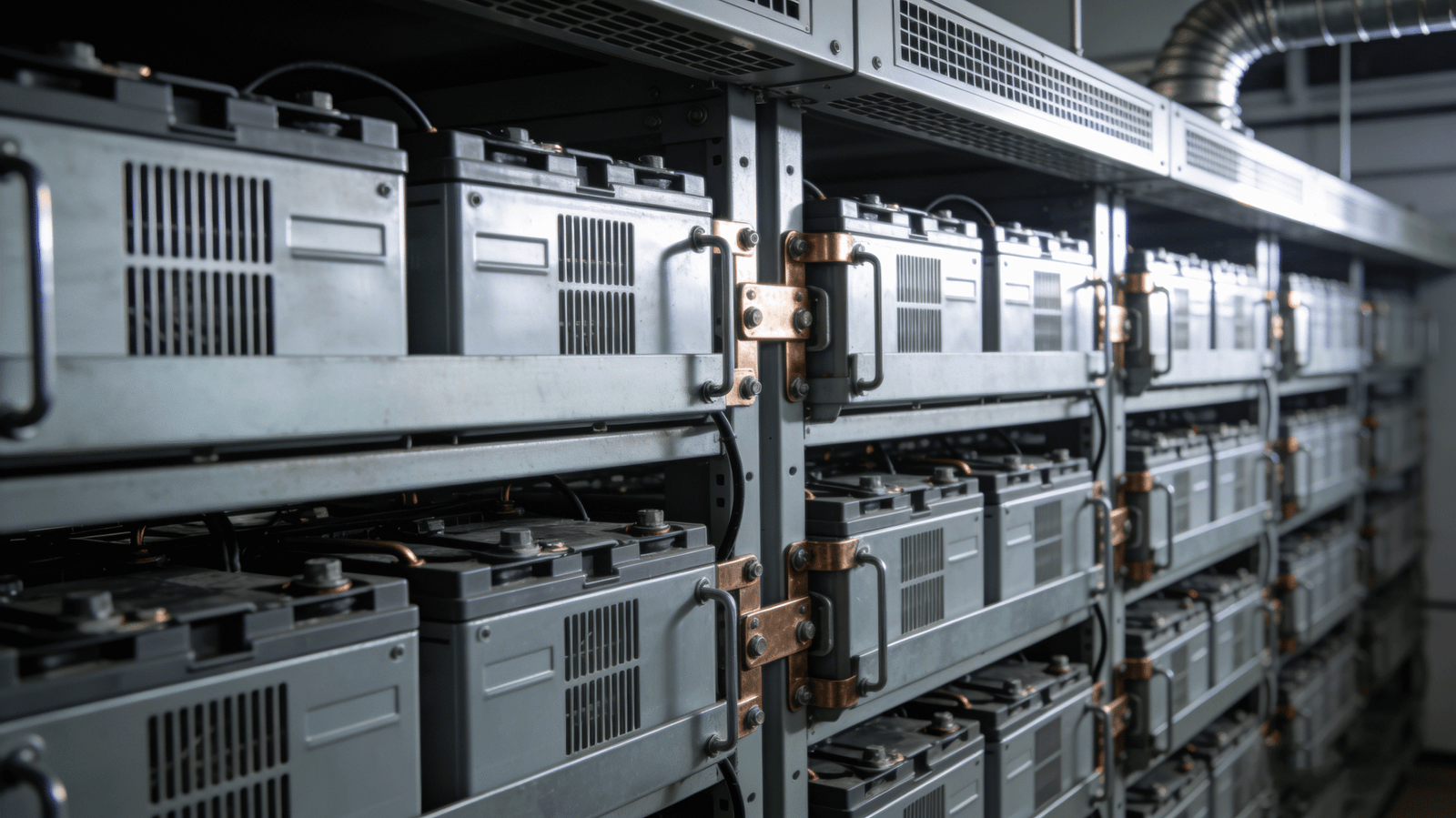
Simply put, a lithium battery is a rechargeable battery that uses lithium ions to store and release energy. When you charge the battery, lithium ions move from the cathode to the anode through a liquid called an electrolyte. When you use the battery (discharge), the ions travel back the other way — and that movement creates electricity.
“Lithium-ion batteries offer high energy density, long cycle life, and are now the dominant technology in EVs, portable electronics, and energy storage systems worldwide.” — IMARC Group Market Research
The Three Main Parts of a Lithium Battery
- Cathode: The positive side — usually made of materials like lithium iron phosphate (LFP) or nickel manganese cobalt (NMC).
- Anode: The negative side — typically made of graphite.
- Electrolyte: The liquid or gel in the middle that lets ions flow between the two sides.
Why Are Lithium Batteries So Popular?
Compared to older battery types, lithium batteries store more energy in a smaller space. They also charge faster, last longer, and lose very little power when sitting unused. As a result, they have become the top choice for everything from smartphones to electric vehicles (EVs) to large-scale energy storage systems.
Section 2: How Big Is the Global Lithium Battery Market Today?
The lithium battery industry is one of the fastest-growing sectors in the world right now. The numbers are truly staggering. Here is a quick snapshot of where the market stands today — and where it is heading next.
| Metric / Segment | Value / Share | Year / Period |
|---|---|---|
| Global Li-ion market size | USD 75.2 billion | 2024 |
| Forecast market size | USD 332.5 billion | 2034 (CAGR 15.8%) |
| Alternative forecast | USD 555.15 billion | 2035 (CAGR 16.96%) |
| Alternative forecast | USD 426.37 billion | 2033 (CAGR 10.3%) |
| Automotive segment share | 36.4% – 67% | 2024–2025 |
| Automotive forecast value | > USD 225 billion | 2034 |
| Cumulative EV + storage demand | ~526 GWh | 2020 |
| Projected EV + storage demand | ~9,300 GWh | 2030 |
| Asia-Pacific market share | 53% | 2025 |
Sources: GM Insights, Precedence Research, MarketsandMarkets, Statista
These figures clearly show that lithium battery demand is not slowing down anytime soon. In fact, the market is accelerating due to stronger EV adoption, falling cell costs, and massive growth in renewable energy storage. Companies that invest in quality lithium battery solutions today are positioning themselves well for the future.
Section 3: Types of Lithium Batteries — NMC vs LFP vs Others
Not all lithium batteries are the same. In fact, there are several different chemistries, and each one has its own strengths. Choosing the right type is one of the most important decisions you will make when buying a lithium battery pack.
Lithium Iron Phosphate (LFP) — The Safety Champion
LFP batteries are currently the most popular chemistry for EVs and stationary storage. They hold the largest product share in 2025, according to Precedence Research. Additionally, they offer an outstanding safety profile and very long cycle life. The trade-off is slightly lower energy density compared to NMC — but for most industrial and commercial buyers, the benefits far outweigh the drawbacks.
Nickel Manganese Cobalt (NMC) — High Energy Density
NMC batteries are famous for their high energy density. This means they can store more energy in the same amount of space. As a result, NMC is popular in high-performance EVs, power tools, and drones. However, NMC requires more careful thermal management compared to LFP.
Quick Chemistry Comparison
| Chemistry | Energy Density | Cycle Life | Safety | Best For |
|---|---|---|---|---|
| LFP | Medium | Very Long | Excellent | EVs, Solar, Industrial |
| NMC | High | Long | Good | EVs, Drones, Power Tools |
| NCA | Very High | Medium | Moderate | High-Performance EVs |
| LCO | High | Short | Moderate | Consumer Electronics |
| LTO | Low | Extremely Long | Excellent | Cold Climates, Fast Charging |
| LMO | Medium | Medium | Good | Medical, Power Tools |
At LongKun Battery Group, we work with all major chemistries. Our engineers help you pick the best chemistry for your specific application — whether that is LFP for safety-critical industrial use or high-energy NMC for performance-focused products.
Section 4: Where Are Lithium Batteries Used?
Lithium batteries are incredibly versatile. They power devices and systems across dozens of industries. Here is a look at the most important applications — and why lithium is the preferred choice in each one.



Top Lithium Battery Application Areas
- Electric Vehicles (EVs) & Golf Carts: The largest single use, making up 36–67% of market revenue in 2024–2025.
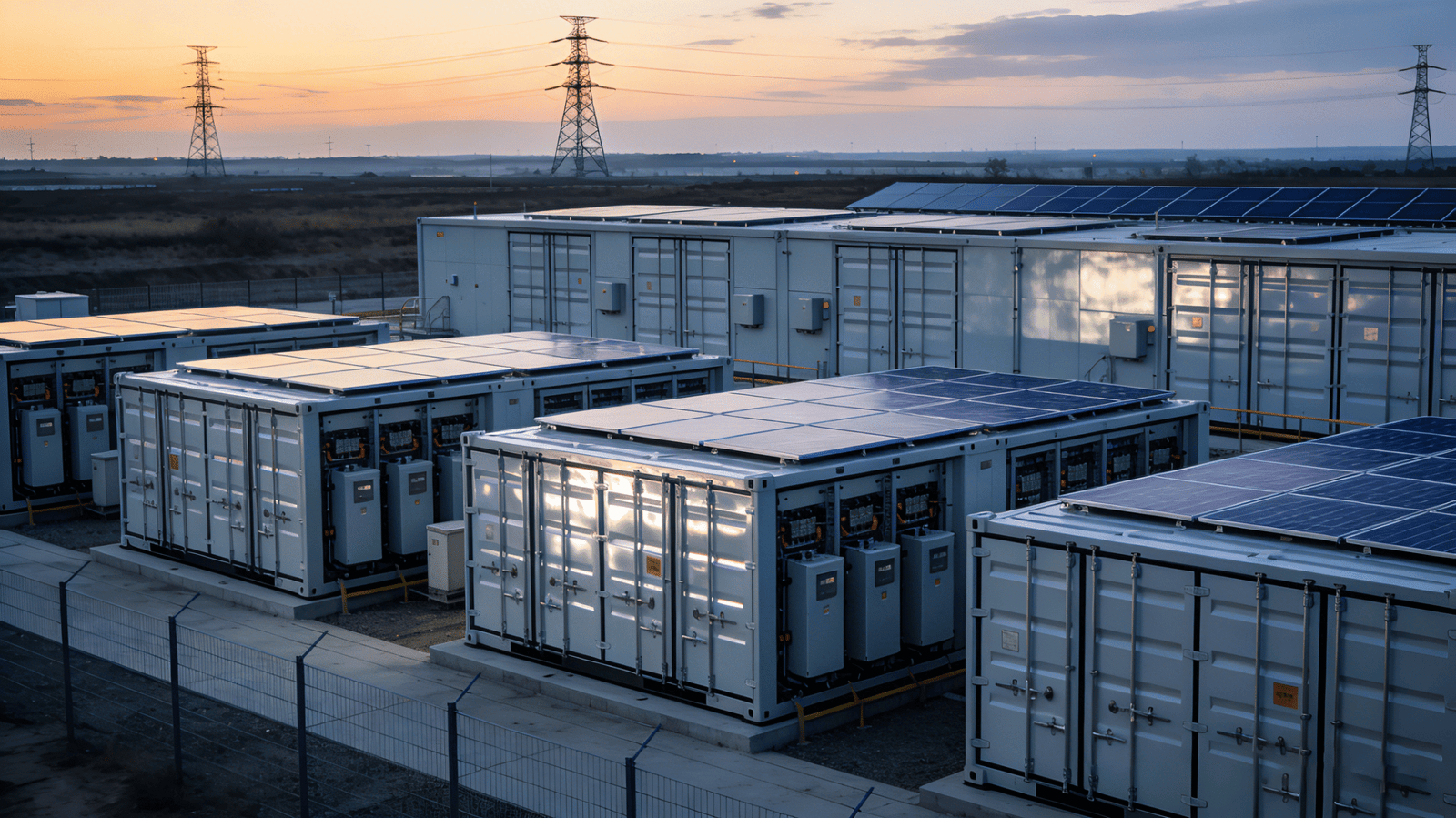
- Solar Energy Storage: Store excess solar power for use at night or during outages.
- Drones & UAVs: High energy density keeps drones airborne longer.
- Medical Equipment: Portable X-ray machines, patient monitors, and surgical tools all rely on custom lithium packs.
- Telecom Base Stations: Backup power that ensures uninterrupted communication.
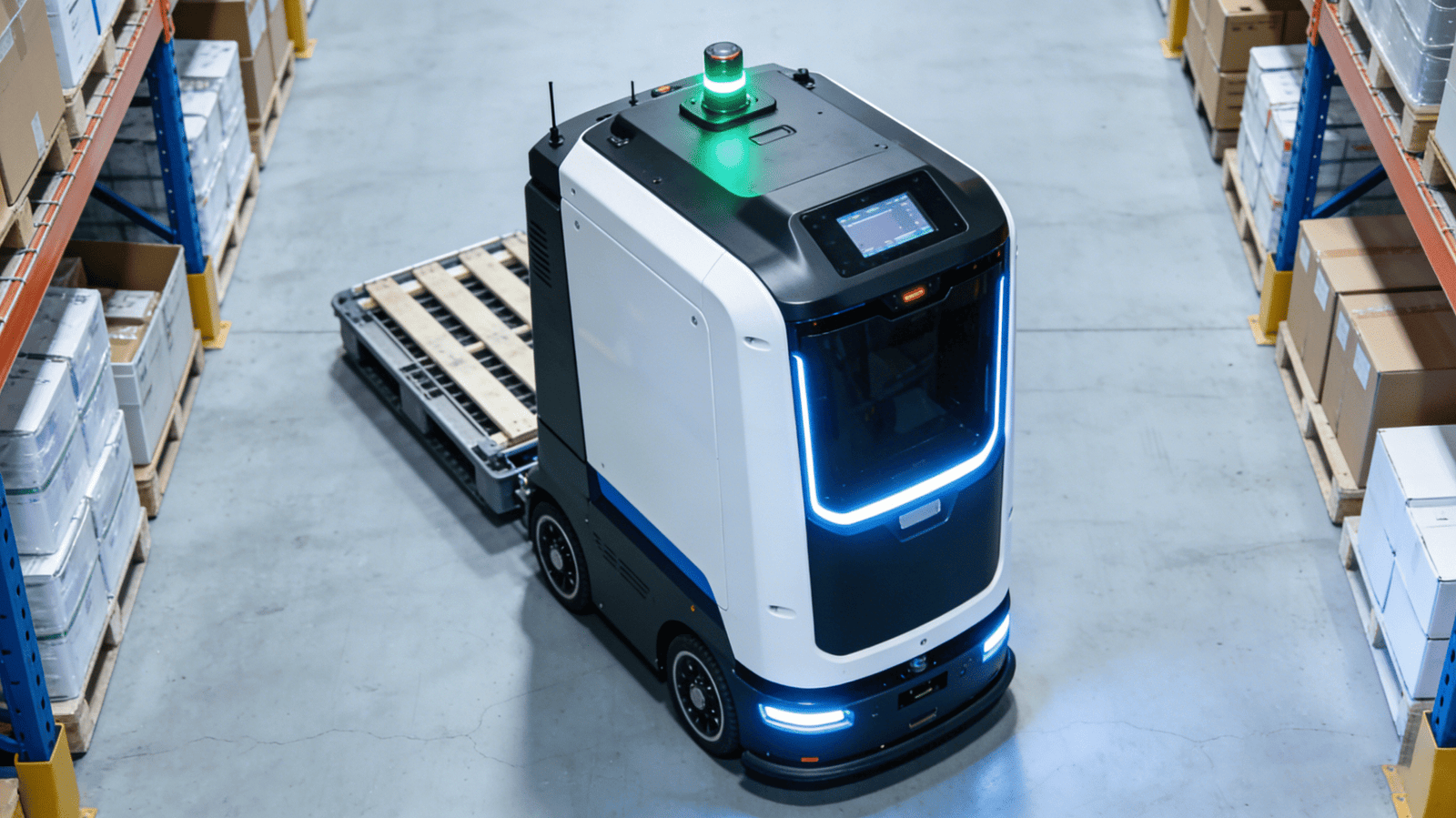
- AGV / AMR Robots: Warehouse automation needs batteries that can handle thousands of cycles.
- Marine Applications: Waterproof, corrosion-resistant lithium packs for boats and marine vessels.
- Aerospace & Satellites: Specially designed packs that withstand extreme temperatures and radiation.
- UPS Systems: Keep data centers and critical infrastructure online during power cuts.
According to GM Insights, consumer electronics, industrial uses, and renewable energy storage are the next-largest contributors after automotive — all driven by ongoing electrification trends.
Section 5: How Long Does a Lithium Battery Last?
This is one of the most common questions buyers ask. The short answer is: a very long time — if you choose quality and use it correctly.
“Quality lithium batteries in EV or stationary storage can often last 8–15 years before capacity falls to around 70–80% of original — which is typically considered end-of-life for primary use.” — GM Insights
Factors That Affect Lithium Battery Lifespan
- Chemistry: LFP typically outlasts NMC and NCA in total cycle count.
- Depth of Discharge (DoD): Shallower discharges (e.g., 80% DoD) extend life significantly.
- Temperature: Extreme heat or cold speeds up degradation. Keep batteries in the recommended range.
- Charge/Discharge Rate: Slow, steady charging is gentler on cells than repeated fast charging.
- BMS Quality: A smart Battery Management System protects against overcharge, over-discharge, and overheating.
Lifespan by Application
- EV batteries: 8–15 years or 150,000–300,000 miles, depending on use.
- Solar storage systems: 10–15 years with proper thermal management.
- Industrial / AGV batteries: 5–10 years with 2–3 cycles per day.
- Drone batteries: Typically 200–500 cycles due to high discharge rates.
Section 6: Lithium Battery vs Lead-Acid — Which Is Better?
If you are still using lead-acid batteries, you might be wondering whether it is worth switching. The answer, for most applications, is a clear yes. Here is a direct comparison so you can decide for yourself.
| Feature | Lithium Battery | Lead-Acid Battery |
|---|---|---|
| Energy Density | High (150–250 Wh/kg) | Low (30–50 Wh/kg) |
| Weight | Lightweight | Heavy |
| Cycle Life | 2,000–6,000+ cycles | 200–500 cycles |
| Charge Speed | Fast (1–3 hrs typical) | Slow (8–16 hrs typical) |
| Usable Capacity | 80–100% DoD safe | Only 50% DoD safe |
| Maintenance | Virtually none | Regular top-ups needed |
| Upfront Cost | Higher | Lower |
| Total Cost of Ownership | Lower (longer life) | Higher (frequent replacement) |
| Self-Discharge Rate | Very Low (~2–3%/month) | High (~5–15%/month) |
According to Lion Energy, a lithium battery bank often costs less across its full lifetime. The reason is simple: it delivers more cycles, can be discharged deeper, and requires much less maintenance. Therefore, switching to lithium is usually the smarter financial choice in the long run.
Section 7: Are Lithium Batteries Safe?
Safety is a completely fair concern. After all, you may have heard stories about lithium batteries catching fire. However, the full picture is much more reassuring than the headlines suggest.
“Modern lithium-ion batteries are generally safe when correctly designed, manufactured, and used — with incidents of fire or explosion being rare compared with the installed base.” — Lion Energy
What Causes Lithium Battery Fires?
- Poor-quality cells: Low-grade cells from unknown sources are a major risk factor.
- No BMS protection: Without a Battery Management System, overcharging is possible and dangerous.
- Physical damage: Punctures or crushing can trigger internal short circuits.
- Incorrect chargers: Using the wrong charger can push cells beyond safe voltage limits.
- Extreme temperatures: Operating outside the specified temperature range stresses the cells.
How Modern Batteries Prevent These Risks
- ✅ Smart BMS: Monitors voltage, temperature, and current in real time. Cuts off power if anything goes wrong.
- ✅ Tier-1 Cells: Quality cells from brands like CATL and BYD are manufactured to strict tolerances.
- ✅ Protective Housing: Rugged enclosures protect against physical damage, moisture, and vibration.
- ✅ Certified Designs: Look for certifications such as UN38.3, CE, UL, IEC, and RoHS.
- ✅ LFP Chemistry: Among all lithium chemistries, LFP has the best thermal stability and lowest fire risk.
At LongKun Battery Group, every battery pack is built with a smart BMS, tier-1 cells, and tested against international safety standards including UN38.3, CE, UKCA, UL, IEC, and RoHS. Our packs have also successfully passed audits from globally recognized brands.
Section 8: Key Performance Metrics to Compare Before Buying
Before you buy a lithium battery, you need to know how to read the specs. These numbers tell you whether a battery will actually work for your application. Here are the most important metrics to look at.
The Must-Know Metrics
- Nominal Voltage (V): The standard working voltage of the battery. Common values include 12V, 24V, 48V, and 72V for industrial packs.
- Capacity (Ah or kWh): How much energy the battery can store. For example, a 100Ah / 48V battery stores roughly 4.8 kWh.
- Specific Energy (Wh/kg): How much energy is stored per kilogram of weight. Higher is better — especially for EVs, drones, and portable devices.
- Cycle Life: The number of full charge-discharge cycles before capacity drops below 80% of original.
- Depth of Discharge (DoD): How far you can drain the battery safely. LFP often allows 90–100% DoD, while some chemistries should stay above 20%.
- Charge/Discharge Rate (C-Rate): How quickly the battery can charge or discharge relative to its capacity. A 1C rate means full charge in one hour.
- Operating Temperature Range: The temperature window where the battery works safely and efficiently.
- Warranty Terms: A strong warranty signals manufacturer confidence. Look for at least a 3–5 year warranty on industrial packs.
Section 9: How to Choose the Right Lithium Battery for Your Application
Choosing the right lithium battery is not a one-size-fits-all decision. Different applications need different chemistries, voltages, capacities, and safety ratings. Here is a simple step-by-step framework to help you decide.
Step-by-Step Selection Guide
- Define Your Voltage Requirement: What voltage does your device or system need? Most industrial systems run on 12V, 24V, 48V, or 72V.
- Calculate Your Energy Needs: How many watts does your device use? How many hours per day does it run? Multiply watts × hours to get your daily Wh requirement.
- Choose the Right Chemistry: For safety-critical applications (medical, telecom, solar), go with LFP. For high-performance and weight-sensitive uses (drones, EVs), consider NMC.
- Check the Operating Environment: Will the battery face extreme heat, cold, vibration, or moisture? Custom packs with special enclosures and thermal management may be needed.
- Verify Certifications: Make sure the pack has the certifications required for your target market — for example, CE/UKCA for Europe, UL for North America.
- Evaluate the BMS: A smart BMS protects your investment. Ask for details on overcharge, over-discharge, short-circuit, and temperature protection features.
- Consider Total Cost of Ownership: Do not just look at the upfront price. Factor in cycle life, maintenance costs, and warranty length to get the true cost over the battery’s full lifetime.
According to IMARC Group, for applications like solar storage, telecom backup, and industrial systems, matching battery chemistry, voltage, capacity, and cycle life to your specific duty cycle and environment is the most critical step.
LongKun Battery Group provides a fully customized battery design service. Our engineers guide you through every step — from initial specifications to final delivery. We handle battery structure design, cell selection, BMS customization, pack assembly, and charger development, all under one roof.
Section 10: Environmental Impact and Recycling of Lithium Batteries
Lithium batteries play a key role in building a cleaner, greener future. However, they also raise important questions about mining, manufacturing, and end-of-life disposal. Here is an honest look at both sides.
How Lithium Batteries Help the Environment
- They power electric vehicles, cutting tailpipe emissions in cities and on highways.
- They store solar and wind energy, allowing renewable power to replace fossil fuels around the clock.
- They support global carbon-reduction targets set by agreements like the Paris Accord.
According to IMARC Group, lithium-ion batteries are central to decarbonization efforts worldwide — enabling EVs and renewable energy storage aligned with emission-reduction targets.
The Recycling Picture
The good news is that lithium batteries are recyclable. Recycling processes can recover materials like lithium, nickel, cobalt, and copper — which then re-enter the supply chain and reduce the need for new mining. Recycling capacity is expanding rapidly, driven by EV growth and new regulations in the EU, US, and Asia.
However, recycling rates and economics still vary by region and battery chemistry. LFP batteries, for example, contain no cobalt — which makes them both cheaper and more ethical to produce.
LongKun’s Green Manufacturing Commitment
At LongKun Battery Group, we strictly follow international environmental standards throughout production. Our green manufacturing principles cover material sourcing, energy use on the factory floor, waste reduction, and responsible disposal. We also hold RoHS certification — confirming our products are free from hazardous substances.
Section 11: Key Trends Shaping the Lithium Battery Industry in 2026 and Beyond
The lithium battery industry is changing fast. Staying ahead of these trends can give your business a real competitive edge. Here are the most important shifts to watch right now.
1. Explosive EV Growth
Electric vehicle adoption continues to rise sharply in Europe, North America, Asia, and beyond. Consequently, automotive battery demand is expected to exceed USD 225 billion by 2034. This growth is pulling enormous investment into battery R&D, manufacturing, and supply chains.
2. Grid-Scale Energy Storage
Governments and utilities are building massive battery storage systems to stabilize power grids and store renewable energy. This is becoming one of the fastest-growing segments in the entire battery market.
3. Falling Cell Costs
Lithium battery cell prices have dropped dramatically over the past decade — and they continue to fall as production scales up. As a result, lithium is becoming cost-competitive even in markets where lead-acid once dominated.
4. Solid-State Batteries on the Horizon
Solid-state batteries replace the liquid electrolyte with a solid material. This technology promises even higher energy density, better safety, and longer life than today’s lithium-ion cells. Commercialization is still a few years away — but it is coming.
5. Demand to Reach ~9,300 GWh by 2030
According to Statista, global cumulative lithium-ion demand for EV and energy storage applications rose from just about 0.5 GWh in 2010 to roughly 526 GWh in 2020. Furthermore, it is projected to reach approximately 9,300 GWh by 2030 — an almost unimaginable increase in just twenty years.
6. Asia-Pacific Leads Production
Asia-Pacific already holds more than 53% of the global lithium battery market share as of 2025, according to Precedence Research. China, South Korea, and Japan remain the dominant production hubs — with new factories coming online regularly.
Section 12: Why Choose LongKun Battery Group?
With so many battery manufacturers out there, why does LongKun Battery Group stand out? Here is the short answer: we combine deep engineering expertise, industry-leading certifications, and a genuine commitment to your success — at every stage.
Our Capabilities at a Glance
- 🏭 5 fully automated production lines meeting Industry 4.0 standards
- 👨🔬 50+ experienced engineers — including alumni from BYD and CATL
- 🔋 Annual output of over 50 million units
- 🌍 1,500+ satisfied clients in Europe, USA, Australia, Japan, and beyond
- 👷 1,000 skilled workers on the factory floor
- 📜 Certifications: UN38.3, MSDS, IEC, CE, UKCA, RoHS, UL
- 🔬 Specialization in High Voltage, High/Low Temperature, and Explosion-Proof battery solutions
- 🔄 Full-service support: Design → Cells → BMS → Pack → Charger → After-Sales
Real-World Case Studies
Medical Equipment
Designed a lightweight, high-capacity battery pack for a leading manufacturer’s portable X-ray machines — delivering extended runtime and fast charging for improved mobility.
Aerospace / Satellite
Developed a specialized pack for satellite systems — engineered to withstand extreme temperatures and radiation for reliable performance in space.
Data Center UPS
Supplied high-capacity, long-lasting battery packs for a multinational corporation’s data center backup systems — keeping critical operations running during power outages.
Telecom Base Stations
Designed a high-performance pack with high energy density and excellent resistance to harsh environments — greatly reducing communication interruption risk for a major telecom operator.
Golf Cart Manufacturer
Delivered custom battery solutions that received high recognition from golf cart manufacturers — demonstrating our professional capabilities and market competitiveness.
Section 13: Frequently Asked Questions About Lithium Batteries
Here are the most common questions people ask about lithium batteries — along with clear, straightforward answers.
Conclusion: Powering the Future with the Right Lithium Battery
Lithium batteries have transformed the way we store and use energy. From electric vehicles to solar storage, from medical equipment to deep-space satellites — this technology is at the heart of almost every modern power system. And with demand set to grow nearly 18× by 2030, the importance of choosing the right battery partner has never been greater.
Here is what we know for certain: not all lithium batteries are equal. The chemistry, BMS quality, cell brand, and manufacturing process all make a huge difference in real-world safety, performance, and longevity. Therefore, working with a trusted, certified manufacturer is not just a smart choice — it is an essential one.
🔋 Ready to Get the Perfect Custom Lithium Battery?
LongKun Battery Group has been delivering safe, high-quality custom battery solutions since 2009. With 50+ engineers, 5 automated production lines, and 1,500+ satisfied global clients, we are ready to help you design the perfect pack — on time, on spec, and within budget.
Get a Free Custom Battery Quote → 📧 Visit clkbattery.com to learn more about our full range of battery solutions.Sources: GM Insights · Precedence Research · MarketsandMarkets · Grand View Research · IMARC Group · Statista · Lion Energy · Harvey Power